



 Mirella Pandjaitan
 Jul 08, 2026

Nothing brings people together in Indonesia as food does. The culinary heritage is one of the country's greatest treasures.
That could be a fragrant bowl of nasi goreng enjoyed on a quiet beachfront, freshly grilled seafood overlooking the ocean, or a humble plate of satay served from a bustling roadside warung; Indonesia's culinary landscape is every bit as memorable as its islands, and every meal defines a deeper connection to the country's culture and communities. Sampling local cuisine is, after all, one of the greatest joys of travelling through the archipelago.
Like many destinations around the world, however, travelling also exposes you to unfamiliar bacteria, different food-handling practices, and a cuisine your digestive system may not be accustomed to. While most trips pass without incident, food poisoning—or what's commonly referred to as traveller's diarrhoea—remains one of the most common travel-related illnesses worldwide.
Fortunately, a little preparation and a few practical precautions can go a long way towards keeping your trip focused on unforgettable meals rather than an unexpected visit to the pharmacy or the ER.
Why do travellers sometimes get food poisoning?
Contrary to popular belief, food poisoning isn't necessarily a reflection of poor hygiene or unsafe destinations. In many cases, travellers simply encounter bacteria, viruses, or parasites that their bodies have never been exposed to before. Even experienced travellers can occasionally develop stomach issues after consuming contaminated food or water, particularly when visiting destinations with different sanitation standards or naturally occurring microorganisms.
In Indonesia, this experience is often nicknamed "Bali Belly," although the condition isn't exclusive to Bali. It's simply a colloquial term for traveller's diarrhoea, which can occur anywhere in the country—or, indeed, almost anywhere in the world.
Read also: Understanding 'Bali Belly': The Origin, The Prevention, The Cure
What causes food poisoning?
Food poisoning can result from bacteria, viruses, parasites, or toxins present in contaminated food or drinks. The most common bacterial causes include E. coli, Salmonella, Campylobacter, and Shigella, while viruses such as Norovirus and parasites like Giardia may also be responsible. Symptoms typically develop anywhere from a few hours to several days after exposure, depending on the underlying cause.
Common symptoms include:
- Dehydration
- Diarrhoea
- Fever
- Loss of appetite
- Nausea
- Stomach cramps
- Vomiting
Symptoms are mild and resolve within a few days for most healthy adults. However, severe dehydration, bloody diarrhoea, persistent vomiting, or high fever should always be assessed by a medical professional.
How can you enjoy Indonesian food safely?
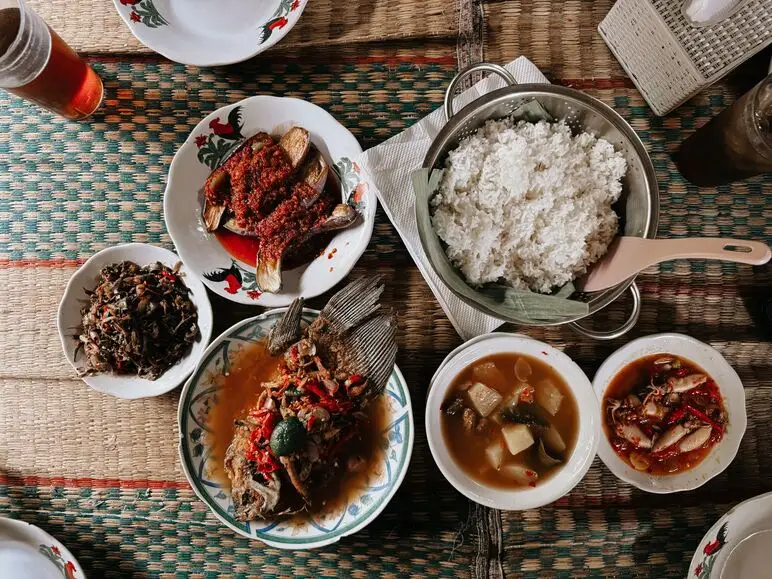
The good news is that experiencing Indonesia's extraordinary food culture doesn't mean avoiding local restaurants or street food altogether! Instead, travel health experts recommend making thoughtful choices rather than eliminating local cuisine from your itinerary.
Some practical precautions include:
1. Be cautious with food that has been sitting at room temperature for extended periods, including buffet items.
2. Be mindful of ice if you're unsure how it was produced.
3. Choose restaurants and food stalls with a steady flow of customers, particularly locals.
4. Drink bottled or properly filtered water since local tap water is not considered safe.
5. Eat food that is freshly cooked and served hot.
6. Wash your hands before eating or use an alcohol-based hand sanitiser when soap and water aren't available.
7. Wash or peel fresh fruit before eating whenever possible.
Perhaps most importantly, don't let fear prevent you from experiencing Indonesia's remarkable culinary diversity. Many of the country's most memorable meals are found in family-run restaurants, neighbourhood eateries, and long-established local favourites.
Should you avoid street food?
Not necessarily. Street food is an integral part of Indonesia's culinary identity and often has some of the country's most authentic flavours.
Rather than avoiding it altogether, pay attention to how the food is prepared. Vendors cooking meals fresh to order, using high heat, and serving a continuous stream of customers generally present a lower risk than food left sitting for long periods.
What to do if you develop food poisoning?
Even the most careful travellers can occasionally become unwell.
The priority is staying hydrated. Diarrhoea and vomiting can quickly lead to dehydration, particularly in Indonesia's warm tropical climate. Oral rehydration solutions are commonly recommended, while drinking plenty of fluids and allowing your digestive system time to recover can help mild cases resolve naturally.
Seek medical attention promptly if symptoms become severe, persist beyond several days, include blood in the stool, or are accompanied by significant fever, dizziness, or signs of dehydration.
Travellers with underlying medical conditions, weakened immune systems, young children, or older adults should also exercise additional caution.