



 Mirella Pandjaitan
 Aug 10, 2026
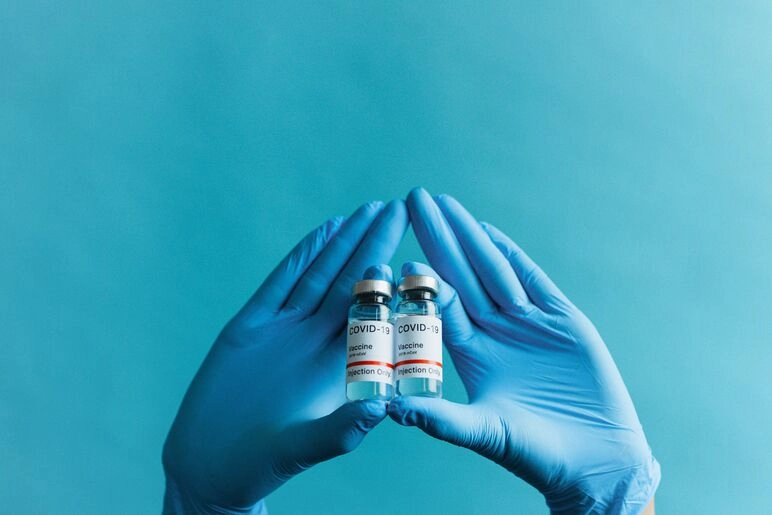
Indonesia's tropical climate, diverse landscapes, and eclectic cities continue to attract millions of visitors each year, regardless for holidays or relocation. While the country has a plethora of incredible experiences, preparing for your trip should include more than booking flights and securing a visa. Understanding recommended vaccinations and common health risks can help ensure a safer and more comfortable stay.
Are vaccines required to enter Indonesia?
First and foremost, most international travellers don’t require proof of routine vaccinations for entry to Indonesia. However, several vaccines are strongly recommended based on your destination, planned activities, and length of stay.
The only exception is travellers arriving from countries where yellow fever is present. In these cases, Indonesian authorities may require an International Certificate of Vaccination or Prophylaxis (ICVP), commonly known as the Yellow Card, as proof of yellow fever vaccination.
Moreover, travellers should still check the latest travel advisories before departure, as health requirements may change in response to emerging public health situations.
What are the recommended vaccines before travelling to Indonesia?
1. Hepatitis A
Hepatitis A is one of the most commonly recommended vaccines for travellers visiting Indonesia. The virus spreads through contaminated food and water, making it possible to contract even when staying in popular tourist destinations. The vaccine is typically administered at least two weeks before departure, allowing your body enough time to build immunity. Children travelling with their families should also follow their doctor's recommended vaccination schedule.
2. Hepatitis B
Unlike Hepatitis A, Hepatitis B is transmitted through blood and bodily fluids. While the risk for short-term visitors is relatively low, vaccination is recommended for expats, digital nomads, long-term travellers, healthcare workers, and anyone who may require medical treatment during their stay. Because the vaccine is given over several doses, it's best to consult your healthcare provider well in advance of your departure date.
3. Influenza and routine immunisations
Seasonal influenza spreads easily through airports, public transport, shopping centres, and other crowded public spaces. Receiving an annual flu vaccine can reduce your chances of becoming ill while travelling. It's also worth checking that routine vaccinations—including measles, mumps, rubella (MMR), polio, and chickenpox—are fully up to date before your trip.
4. Rabies
Rabies is present in several parts of Indonesia, including Bali and some rural regions, where stray dogs, monkeys, and bats may carry the virus. Pre-exposure vaccination is generally recommended for travellers spending extended periods outdoors, working with animals, visiting remote areas, or planning long-term stays. Regardless of your vaccination status, any bite or scratch from a mammal should be treated as a medical emergency. Immediate medical attention is essential, as prompt post-exposure treatment can prevent the disease from developing.
5. Tetanus, Diphtheria and Pertussis (Tdap)
Even experienced travellers commonly overlook routine booster vaccinations. The Tdap vaccine protects against tetanus, diphtheria, and pertussis, all of which remain preventable through vaccination. If you enjoy hiking volcanoes, surfing, diving, motorcycling, or other outdoor adventures, ensuring your tetanus booster is up to date is particularly important. Adults generally require a booster every ten years.
6. Typhoid
Indonesia's culinary scene is one of its greatest attractions. Although most street food markets and local warungs maintain good hygiene practices, typhoid fever remains present throughout parts of the country. Travellers planning to sample street food frequently, visit smaller towns, or spend time in rural communities should consider receiving a typhoid vaccine one to two weeks before travelling.
Read also: Expat Essentials: Adult Vaccinations in Indonesia
How much do vaccines cost in Indonesia?
If you're already in Indonesia and need to catch up on routine immunisations or receive a travel vaccine before your next destination, you'll find that many vaccines are available at private hospitals, international medical centres, and selected clinics in major cities such as Jakarta, Bali, Surabaya, and Bandung.
Prices vary depending on the healthcare provider, vaccine brand, and whether a consultation fee is included. As a general guide, travellers and expats can expect the following price ranges:
- Hepatitis A: Rp500,000-900,000
- Hepatitis B (per dose): Rp300,000-700,000
- Influenza: Rp300,000-700,000
- Rabies (per dose): Rp700,000-1,500,000
- Tdap (Tetanus, Diphtheria, Pertussis): Rp500,000-900,000
- Typhoid: Rp350,000-700,000
Some vaccines require multiple doses administered over several weeks or months; thus, the total cost may be higher than the price of a single injection. It's also worth noting that consultation fees are charged separately at many private clinics and international hospitals.
Check whether preventive vaccinations are included in your private health insurance policy, as coverage varies between providers. Travellers paying out of pocket may find that prices differ between hospitals and standalone vaccination clinics, making it worthwhile to compare costs before booking an appointment.
Contact your preferred healthcare provider directly before visiting for the most accurate pricing and vaccine availability, as fees may change over time and some vaccines may require advance booking.
What mosquito-borne diseases exist in Indonesia?

Vaccinations are only one part of staying healthy in Indonesia. Mosquito-borne illnesses remain one of the country's most significant health concerns.
1. Dengue fever
Dengue is found throughout Indonesia, including major cities such as Jakarta, Surabaya, and Denpasar. Unlike malaria, dengue-carrying mosquitoes are most active during the daytime.
The best protection includes:
- Applying insect repellent containing at least 20% DEET or picaridin
- Removing standing water around long-term accommodation where mosquitoes breed.
- Staying in accommodation with screened windows or air conditioning
- Wearing lightweight long-sleeved clothing, particularly at dawn and dusk
2. Malaria
Malaria risk varies considerably across Indonesia. Popular urban destinations such as Jakarta, Bandung, Surabaya, Yogyakarta, and most resort areas of Bali have little to no malaria transmission. However, travellers visiting provinces such as Papua, parts of East Nusa Tenggara, Maluku, and remote areas of Kalimantan or Sulawesi may require antimalarial medication. Your healthcare provider can recommend the most appropriate preventive medication based on your itinerary.
How about the food, water, and everyday health precautions?
Eating in Indonesia is undoubtedly a delight. Nevertheless, a few simple precautions can significantly reduce your risk of gastrointestinal illness.
Drink bottled or properly filtered water whenever possible, avoid consuming ice from unknown sources, and choose freshly prepared meals from busy establishments with good hygiene practices. Washing your hands regularly or carrying alcohol-based hand sanitiser is also advisable, particularly when travelling between destinations.
The tropical climate also makes dehydration and heat exhaustion common among first-timers. Staying hydrated, wearing sunscreen, and taking breaks during the hottest hours of the day can help you adjust more comfortably.
What should be prepared before your travel?
Aim to schedule a travel health consultation four to six weeks before departure. Some vaccines require multiple doses or several weeks to provide full protection, making early planning especially important.
Before leaving, make sure you have:
- A valid passport and visa (if applicable)
- A basic travel health kit
- Comprehensive travel insurance
- Copies of important medical records and prescriptions
- Your vaccination records, particularly if travelling from a yellow fever risk country