

 Chyntia .DW
 Aug 11, 2026
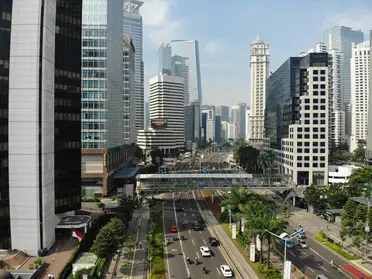
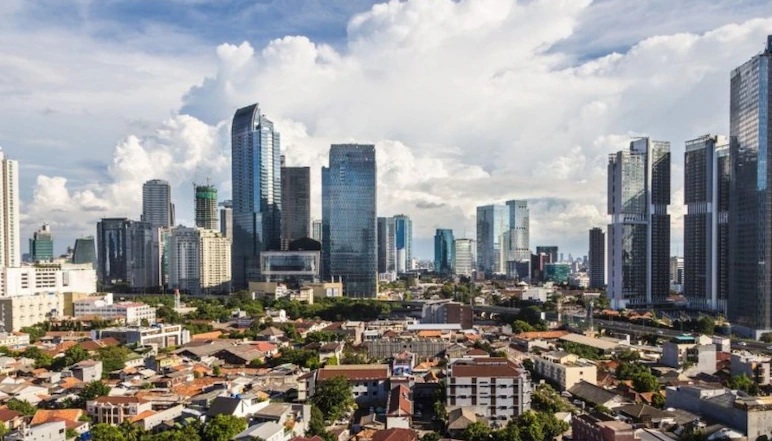
Moving to Jakarta, Indonesia’s bustling capital, is an exciting adventure filled with vibrant culture, modern comforts and dynamic opportunities. Known affectionately—and sometimes critically—as “The Big Durian,” Jakarta has a personality all its own: fast-paced, colorful and constantly changing.
With more than 11 million residents and the wider Greater Jakarta (Jabodetabek) metropolitan area home to over 30 million people, newcomers quickly find themselves immersed in a vast urban landscape. Massive traffic jams, tropical humidity and the city's striking contrasts between luxury and poverty can take some getting used to. Yet Jakarta’s energy, friendliness, international outlook and career opportunities make it one of Southeast Asia’s most compelling cities to live and work.
For newcomers, however, navigating Jakarta can initially feel overwhelming. Choosing the right neighborhood, understanding housing and living costs, arranging visas, finding schools and healthcare, and learning how to get around can make a significant difference to your experience.
This What's New Indonesia guide to moving to Jakarta in 2026 covers the essentials—from the best areas to live and the cost of living to transportation, visas, international schools, healthcare, banking, expat communities and everyday life.
Whether you're relocating for work, moving with your family, starting a business or simply exploring a new chapter in Indonesia, here's what you need to know before making Jakarta your new home.
Editor's Note: This guide is maintained by the What's New Indonesia editorial team and updated regularly to reflect changes in Jakarta's neighborhoods, transportation, housing, schools and expat lifestyle.
Follow WhatsNewJakarta's Instagram
Jakarta Expat Guide 2026: At a Glance
Best Areas: Kemang • Senopati • Kuningan • Menteng • PIK
Best for Families: South Jakarta • PIK • BSD
Best for Business: SCBD • Sudirman • Kuningan
Best Transport: MRT • TransJakarta • Gojek • Grab • Blue Bird
International Schools: IB • British • Cambridge • Australian curricula
Healthcare: Extensive private hospital network - Best International Medicals in Jakarta
Language: Bahasa Indonesia • English widely used in international business
Lifestyle: Dining • Shopping • Wellness • Nightlife • Culture
Top tip for newcomers: Choose your home based on your daily commute. In Jakarta, living close to your workplace or children's school can be more valuable than having a larger home in a more distant neighborhood.
Why Move to Jakarta?
Jakarta is Indonesia’s economic and business center and home to a diverse international community. The city attracts professionals, entrepreneurs, families, students and investors from around the world.
For expats, some of Jakarta’s biggest advantages include:
- International business and career opportunities
- A large and established expat community
- Excellent restaurants and an increasingly sophisticated dining scene
- Major shopping malls and international brands
- Vibrant nightlife and entertainment
- International schools and private healthcare
- Convenient ride-hailing and delivery services
- Easy access to destinations across Indonesia and Southeast Asia
A diverse cultural scene combining Indonesian traditions with global influences
Jakarta is not always an easy city to love immediately. Traffic, humidity, air quality and the sheer scale of the metropolis can be challenging. But those who settle in often discover a city that is energetic, social, welcoming and full of opportunity.
Best Neighborhoods & Housing in Jakarta
Where you live can have a major impact on your Jakarta experience. The right neighborhood depends on your workplace, family situation, lifestyle and budget, with housing ranging from luxury serviced apartments to private residences and more affordable local homes.
Because traffic congestion can significantly affect daily commute times, choosing a location close to your workplace or children's school should be one of your top priorities when moving to Jakarta.
Jakarta’s Most Popular Expat Neighborhoods
Neighborhood | Best For | What to Expect |
Senopati | Professionals & couples | Upscale dining, cafés, nightlife and modern residences |
Kemang | Singles, couples & creatives | International community, restaurants and relaxed nightlife |
Kuningan | Business professionals | Central location, offices, malls and serviced apartments |
Menteng | Families & diplomats | Leafy streets, established residences and central location |
SCBD / Sudirman | Corporate professionals | Business district, luxury residences and easy access to offices |
PIK | Families & lifestyle seekers | Modern developments, dining, entertainment and waterfront attractions |
Kelapa Gading | Families | Established residential area, shopping and restaurants |
BSD City | Families seeking space | Suburban lifestyle, newer developments and international schools |
From luxury serviced apartments to private houses and apartments, Jakarta has accommodation to suit a wide range of budgets and lifestyles.
Explore: Best Serviced Apartments in Jakarta
What to Consider Before Renting
Before signing a lease, consider:
- Distance from work or school
- Traffic during peak hours
- Access to MRT or public transport
- Building security
- Flood risk
- Power and water reliability
- Parking
- Nearby supermarkets and healthcare
- Maintenance and management services
- Lease terms and deposits
Expat tip: Visit potential homes at different times of day. A neighborhood that feels peaceful at midday may have significantly heavier traffic during morning and evening rush hours.
Cost of Living in Jakarta 2026
Jakarta can be relatively affordable compared with many major Asian cities, but your monthly expenses will depend heavily on where you live and how you choose to spend your time.
Housing, international school fees, imported groceries, private healthcare and entertainment can quickly increase an expat household's monthly budget.
Indicative Monthly Costs
Expense Category | Average Monthly Cost (Single) | Notes |
Housing | USD 1,500–3,500 | Serviced apartments |
Groceries & Dining | USD 300–600 | Cheaper if shopping local |
Transportation | USD 100–300 | Apps like Gojek/Grab |
Health Insurance | USD 150–400 | Private plans |
Domestic Help | USD 200–300 | Common for many expats |
These figures are indicative estimates rather than fixed costs. Actual expenses vary considerably according to neighborhood, housing type, family size and lifestyle. International school fees, flights and major relocation expenses should be budgeted separately.
2026 Rental Trends
Rental prices vary significantly between Jakarta’s central business districts, established expat neighborhoods and suburban developments.
Luxury apartments and serviced residences in areas such as SCBD, Sudirman, Kuningan and Senopati generally command premium prices, while larger homes can offer better value in areas farther from central Jakarta.
Top tip: Don't choose a home based purely on rent. A cheaper apartment that adds one or two hours to your daily commute may cost you more in transportation, time and quality of life.
Getting Around Jakarta
Jakarta’s traffic is one of the biggest adjustments for newcomers, but the city has an increasingly diverse transportation network.
MRT Jakarta
The MRT is one of the most convenient ways to travel between key areas of South and Central Jakarta and is particularly useful for commuters working along the Sudirman corridor.
TransJakarta
The city’s extensive bus rapid transit network connects many parts of Jakarta and is an affordable option for daily commuting.
Commuter Line
The KRL Commuter Line connects Jakarta with surrounding areas of Greater Jakarta and is particularly useful for those living outside the city center.
Gojek & Grab
Gojek and Grab are essential apps for many Jakarta residents. Both offer motorcycles and cars, while also providing food delivery and other everyday services.
Blue Bird
Blue Bird remains a popular option for conventional taxis and airport transfers.
Private Driver
Families and professionals who require regular door-to-door transport may prefer a private driver, particularly when school runs or multiple daily appointments are involved.
Expat tip: Always test your commute during actual peak hours before choosing where to live.
Visas & Moving to Indonesia
Visa requirements depend on your nationality, purpose of stay and length of time in Indonesia.
Expats relocating for employment may require a work-related visa and KITAS, while other permits are available for different purposes such as investment, family, retirement or study.
Immigration regulations can change, so always check the latest requirements with official Indonesian immigration authorities or a qualified immigration professional before making relocation or employment decisions.
Before moving, check:
- Visa eligibility
- KITAS requirements
- Work authorization
- Passport validity
- Sponsorship requirements
- Family/dependent visas
- Registration requirements
- Tax obligations
International Schools in Jakarta
Families moving to Jakarta will find a wide range of international schools offering different curricula, including IB, British, Cambridge and other international programs.
Popular school choices can be found across South Jakarta and Greater Jakarta, including areas such as Kemang, Cilandak, Pondok Indah, Jakarta Selatan and BSD City.
When choosing a school, consider:
- Curriculum
- Location and commute
- Tuition and additional fees
- Class sizes
- Accreditation
- Language support
- Extracurricular activities
- University preparation
- Availability of places
Top tip: Start researching schools as early as possible. Some international schools have limited availability and admissions processes that can take time.
Explore: What's New Indonesia's guide to the Best International Schools in Jakarta.
Healthcare & Health Insurance
Jakarta has a strong network of private hospitals, clinics and specialist healthcare providers, with several facilities offering international-standard services.
Expats should consider arranging comprehensive health insurance before relocating, particularly if they require private healthcare or international coverage.
When choosing a healthcare provider, look for:
- English-speaking doctors
- Emergency services
- Specialist departments
- International insurance acceptance
- Convenient location
- 24-hour facilities where needed
It is also worth identifying your preferred hospital and nearest clinic shortly after arriving.
Explore: Best International Medicals in Jakarta
Banking, SIM Cards & Essential Apps
Setting up a few essentials early can make everyday life much easier.
Essential Apps
Gojek — transport, food delivery and everyday services
Grab — transport and food delivery
Google Maps — navigation and location searches
WhatsApp — the most widely used messaging platform
Mobile banking apps — everyday payments and transfers
Banking
Depending on your visa and residency status, you may be able to open a local bank account. Requirements vary by bank, so check the latest documentation requirements before applying.
Mobile Connectivity
A local Indonesian SIM or eSIM can be extremely useful for transportation apps, deliveries, banking and communication.
Bank for Expat in Indonesia
Expat Communities & Making Friends
Jakarta has a large international community, with expats from Asia, Europe, Australia, North America and many other parts of the world.
Joining communities can make the transition considerably easier, particularly during your first few months.
Look for:
- International business groups
- Professional networks
- Sports clubs
- Fitness communities
- Parents' groups
- International schools
- Charity organizations
- Cultural associations
- Social events and networking groups
Getting involved locally is also one of the best ways to experience Jakarta beyond the typical expat bubble.
Expat Chambers of Commerce and Business Association in Jakarta
Expat Communities You Could Join in Jakarta
Food, Shopping & Lifestyle
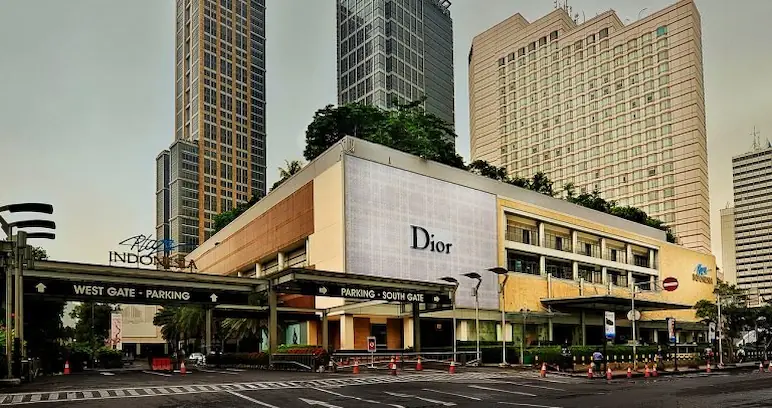
Jakarta offers an enormous variety of dining and entertainment, from traditional Indonesian food and neighborhood warungs to sophisticated restaurants, international cuisine, rooftop bars and contemporary cafés.
The city's shopping scene is equally extensive, with major malls offering international fashion, beauty, electronics, dining and entertainment.
For nightlife and entertainment, areas such as Senopati, SCBD, Kemang and Kuningan are particularly popular.
Rather than trying to cover every restaurant, mall and nightlife venue in this guide, explore What's New Indonesia's dedicated Jakarta guides for the latest recommendations.
Explore more: Jakarta's best restaurants Food & Drink Guide • 20+ Best Shopping Malls in Jakarta • nightlife • Cafés • Things To Do
🌃 Nightlife: Jakarta Nightlife Guide
👉 Trendy bars and clubs in Senopati, SCBD, Thamrin, Kemang, and PIK.
👉 Rooftop lounges, karaoke, live music, speakeasies, and high-end cocktail bars.
👉 Popular Expat Bars spots: The St. Regis Bar, Cosmo Pony, Jaya Pub, Modernhaus, Eastern Promise.
Language & Local Etiquette
Bahasa Indonesia is the official language, while English is widely spoken in international business, hospitality and expat communities.
Learning a few basic Bahasa Indonesia phrases can make everyday life easier and help you connect with local communities.
A friendly smile, respectful greeting and a simple “Terima kasih” (thank you) are always appreciated.
Learning basic phrases such as selamat pagi (good morning), permisi (excuse me) and berapa? (how much?) can be particularly useful for daily life.
10 Things You Should Know About Indonesian Culture
Safety, Traffic, Air Quality & Flooding
Like any major metropolis, Jakarta comes with challenges that newcomers should understand before relocating.
Traffic
Traffic congestion can significantly affect daily life. Your choice of neighborhood can therefore be one of the most important decisions you make.
Air Quality
Air quality can vary, particularly during periods of heavy traffic and unfavorable weather conditions. Those sensitive to pollution may want to monitor daily air quality.
Flooding
Some parts of Jakarta and Greater Jakarta are more vulnerable to seasonal flooding. Check the history of a property and neighborhood before signing a long-term lease.
Everyday Safety
Jakarta is generally manageable for expats who take normal urban safety precautions. Keep valuables secure, use reputable transportation and stay aware of your surroundings, particularly in crowded areas.
Your First 30 Days in Jakarta
Moving to a new country is easier when you tackle the essentials in stages.
Week 1 — Settle In
- Confirm your visa and immigration requirements
- Arrange temporary accommodation
- Get a local SIM or eSIM
- Download Gojek and Grab
- Set up local transportation
Week 2 — Find Your Base
- Explore potential neighborhoods
- View apartments or houses
- Test your commute during peak hours
- Check nearby supermarkets and healthcare facilities
Week 3 — Set Up Daily Life
- Arrange health insurance
- Explore local banking options
- Register children for school if applicable
- Identify your preferred hospital and clinic
- Find a gym, supermarket and other everyday services
Week 4 — Build Your Community
- Join expat or professional communities
- Meet local friends and colleagues
- Explore neighborhoods outside your usual routine
- Learn basic Bahasa Indonesia
- Start discovering Jakarta's food, culture and entertainment scene
Is Jakarta a Good Place to Live?
For expats who enjoy big-city energy, international dining, career opportunities and a diverse social scene, Jakarta can be an exciting place to call home.
The biggest challenges are equally clear: traffic, humidity, air quality, seasonal flooding and the sheer scale of the city. Choosing the right neighborhood can make a significant difference.
For most newcomers, the best approach is to prioritize location over size. Living close to your workplace or children's school can save valuable time and make everyday life considerably easier.
With the right neighborhood, reliable transportation, good healthcare and a local community around you, Jakarta offers a compelling combination of professional opportunity, culture, food and modern urban living.
Welcome to Jakarta.
Frequently Asked Questions
Is Jakarta a good city for expats?
Yes. Jakarta has a large international community, strong business opportunities, international schools, private healthcare and a sophisticated dining and lifestyle scene. The biggest adjustments for newcomers are usually traffic, humidity, air quality and the scale of the city.
What are the best areas to live in Jakarta for expats?
Popular choices include Senopati, Kemang, Kuningan, Menteng, SCBD, Pondok Indah, PIK and BSD City. The best area depends heavily on where you work, your children's school and your lifestyle.
How much does it cost to live in Jakarta?
Living costs vary significantly. Housing is usually the biggest expense for expats, while international school fees and private healthcare can substantially increase family budgets. A comfortable single-expat lifestyle may cost considerably less than a family lifestyle with international schooling.
Is Jakarta safe for expats?
Jakarta is a major international city where millions of people live and work. Expats should follow normal urban safety precautions, use reputable transportation and remain aware of their surroundings.
Do I need to speak Indonesian to live in Jakarta?
You can manage many aspects of expat life using English, particularly in international businesses, hotels and private services. However, learning basic Bahasa Indonesia will make daily life easier and help you connect with local communities.
What is the biggest challenge of living in Jakarta?
For many newcomers, traffic and commuting are the biggest challenges. Choosing a home close to your workplace or children's school can dramatically improve your day-to-day experience.
This version would be my preferred direction for What's New Indonesia: less repetitive, more practical, more scannable, and much stronger as a 2026 pillar page.
READ THINGS TO DO IN JAKARTA GUIDE
📩 Need help settling in?
👉 Contact: [email protected]
👉 Follow @whatsnewjakarta for the latest updates & expat events.
5 TRUSTED MOVING COMPANIES IN INDONESIA