

 Mirella Pandjaitan
 Jul 27, 2026
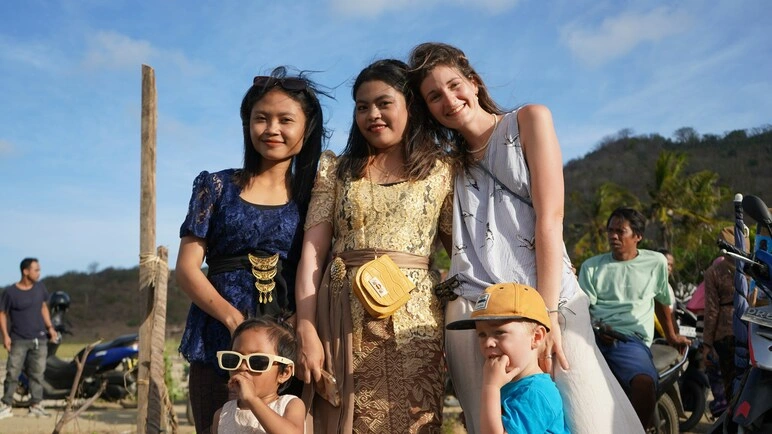
Travelling through Indonesia is less about getting everything “right” and more about staying open. Once you settle into the rhythm, everything starts to feel natural as long as awareness and a relaxed mindset are kept. And more often than not, those small cultural nuances end up being the most memorable part of the journey.
Whether you’re visiting for a quick getaway or settling in for work, understanding a bit of local etiquette goes a long way. Indonesia is incredibly diverse, with over 1,300 ethnic groups and a mix of cultures and religions, so customs can vary from place to place. That said, a few simple guidelines will help you navigate things comfortably — and respectfully.
Think of this as your go-to cheat sheet for navigating everyday life in Indonesia, touching base on small social cues, unspoken customs, and more. Nothing too rigid, just a few thoughtful habits that make moving through temples, beaches, markets, and meals feel a little more natural.
A smile carries a real weight
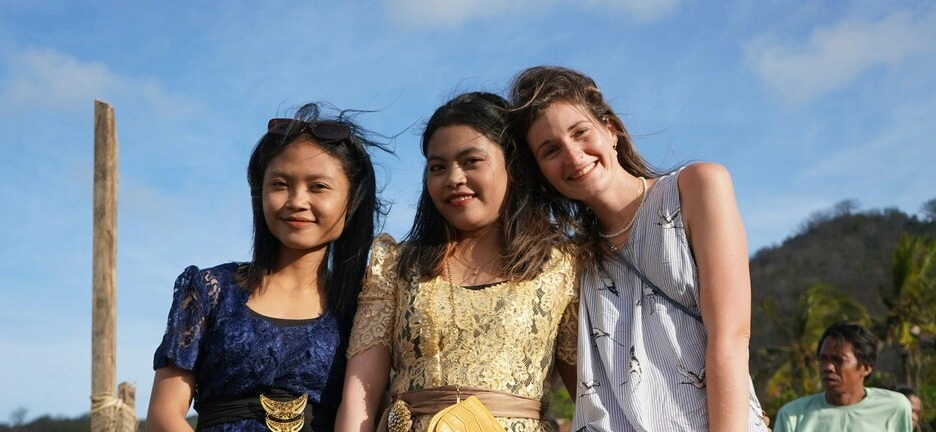
Nonverbal cues matter just as much: a smile, a nod, a relaxed tone. You’ll quickly notice how often people smile. It’s a natural part of communication here — warm, friendly, and more or less the easiest way to connect. Returning that smile? Always a good idea.
Be mindful of religion
Spiritual life is woven into the everyday. While Indonesia is predominantly Muslim, it’s also home to Hindu, Buddhist, and Christian communities. Places of worship are treated with care, so modest dress and mindful behaviour are essential. Shoes are usually removed before entering, and it’s best to avoid visiting during prayer times unless invited. Keep in mind several points: Muslims follow a halal diet and don’t consume pork or alcohol; temple visits in Bali normally come with additional customs (wearing a sarong and sash) which are usually available at the entrance.
Communicating with the locals
A few words add great value. Learning simple phrases such as terima kasih (thank you), selamat pagi (good morning), or maaf (sorry/excuse me) instantly softens interactions. Conversations are generally calm and measured. Raising your voice or speaking too directly can feel a bit harsh.
Expect a different sense of time
You might hear the phrase jam karet — or “rubber time.” It refers to a more flexible approach to schedules. Things don’t always start exactly on time, and that’s usually okay. It can feel a little confusing at first, but eventually, it starts to feel more relaxed than frustrating.
Go with the flow as you dine
Meals in Indonesia can look a little different depending on where you are. Meals are also meant to be shared — and enjoyed slowly. If you’re dining in someone’s home, wait to be shown where to sit and when to begin. In many places, eating with your right hand is customary, though utensils are widely used too. You might come across dishes served family-style, where everyone helps themselves. A compliment to the cook, or accepting a second helping, is always warmly received.
Greetings, the Indonesian way
Greetings tend to be polite but relaxed. A handshake is common in cities, sometimes followed by a slight nod. People may also use simple phrases like “Selamat pagi” (good morning) or “Selamat sore” (good afternoon). Eye contact is gentle rather than intense because it’s more about being respectful than overly direct. Meanwhile, in more traditional settings, especially with elders, you might notice a gentler greeting motioned as hands are placed together at the chest, accompanied by a small bow.
Heartfelt hospitality is everywhere
Hospitality in Indonesia is generous. If you’re invited into someone’s home, bringing a small gift like fruit, snacks, or something from your hometown is a thoughtful touch. Items are usually given and received with both hands, and there’s often a polite back-and-forth before something is accepted.
Keep the dress code effortless yet respectful
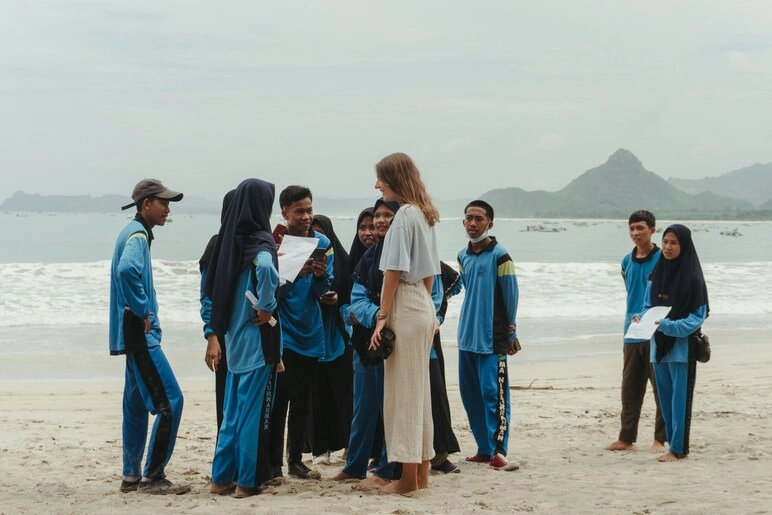
There’s no strict rulebook, but modesty is a safe default. Lightweight, breathable clothing works best in the tropical climate, but covering shoulders and knees is appreciated in many public and cultural spaces. Swimwear is perfectly fine at the beach or resort — just bring something to throw on when stepping away.
Respect comes first
Respect runs quietly but deeply here. Indonesian culture places a strong emphasis on respect, notably toward elders. Older individuals are given priority in conversation and decision-making, particularly in family or community settings. It’s polite to let them speak first, avoid interrupting, and wait to be guided — even something as simple as where to sit is often indicated by the host. A little deference goes a long way.
Start with the right hand
One of the easiest things to remember is to use your right hand. In Indonesia, it’s considered more polite to give, receive, or greet with your right hand rather than your left. It’s a small detail, but one people notice, especially in more traditional settings.
Subtlety is key to public behaviour
Public displays of affection are generally kept low-key, especially outside tourist areas. Staying calm in tense situations is important as well, as raising your voice can cause discomfort for everyone involved. And as always, small reminders to not litter and ask before taking photos of people, particularly during ceremonies or in more traditional communities, also matter.
The art of bargaining in markets
Markets are a little more playful. Bargaining is common in street markets. To do so, you can start with a smile, keep it light, and treat it as part of the experience rather than a negotiation to win. Also, carry small cash when you can, since it can be very convenient at times.
When in doubt, just ask
Indonesia’s diversity means you won’t understand everything right away — and that’s completely normal. The good news? People are usually happy to help. Asking questions is portrayed as a sign of respect and curiosity, not ignorance.