

 Rani Permata
 Jul 08, 2026
Jakarta Dessert Week 2026 Unveils "Dangdut" as Its Theme, Celebrating Creative Collaboration and Indonesia's Soft Power Through Culinary Arts
Jakarta Dessert Week (JDW), Indonesia's largest dessert festival, has officially announced "Dangdut" as the main theme for Jakarta Dessert Week 2026, taking place from 24 August to 13 September 2026.
More than just a music genre, Dangdut was chosen to represent Jakarta's dynamic, inclusive, colorful, and people-centered spirit. Through this theme, Jakarta Dessert Week invites pastry chefs, dessert artisans, bakers, restaurants, hotels, and creative industry players to translate the energy of Dangdut into innovative, expressive, and contemporary culinary creations.
For Jakarta Dessert Week, Dangdut is more than music. It is a symbol of Indonesian popular culture that unites people across generations, social classes, and diverse backgrounds. Like dessert, Dangdut brings joy, creates togetherness, and serves as a universal language that everyone can enjoy. This year's theme demonstrates that culinary inspiration extends beyond ingredients—it can also come from music, art, culture, and everyday Indonesian life.
Encouraging Cross-Sector Collaboration in the Creative Economy
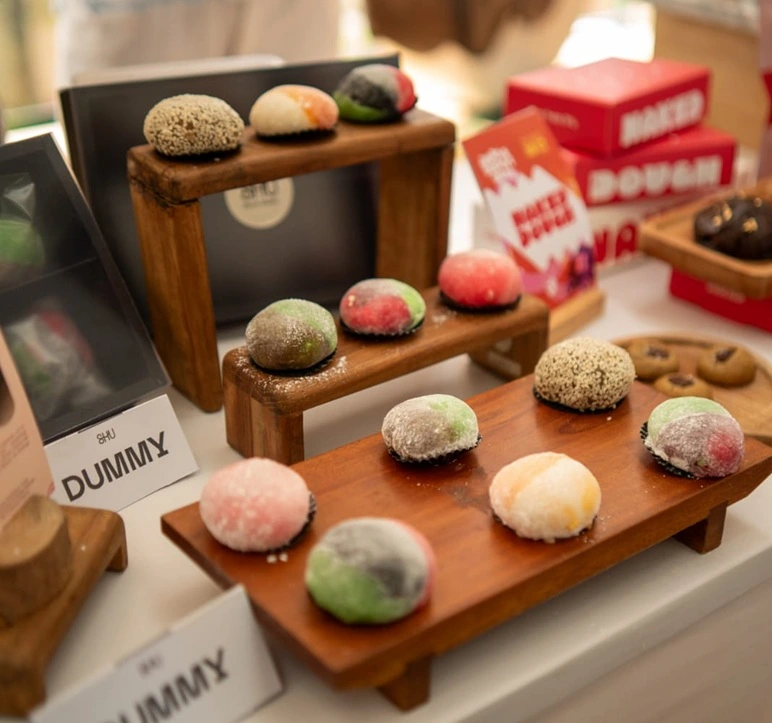
The selection of Dangdut reflects Jakarta Dessert Week's ongoing commitment to fostering collaboration across creative economy subsectors. The festival believes that culinary arts do not exist in isolation but serve as a meeting point for various creative disciplines, including music, design, visual arts, illustration, photography, film, fashion, architecture, and storytelling.
When these creative disciplines come together, they create richer cultural experiences while opening new economic opportunities for creative industry professionals.
Through the Dangdut theme, festival participants are encouraged to explore fresh interpretations of Indonesian popular culture through desserts, pastries, beverages, visual merchandising, packaging, and immersive spatial experiences that elevate the festival atmosphere.
Culinary Arts as Part of Indonesia's Soft Power
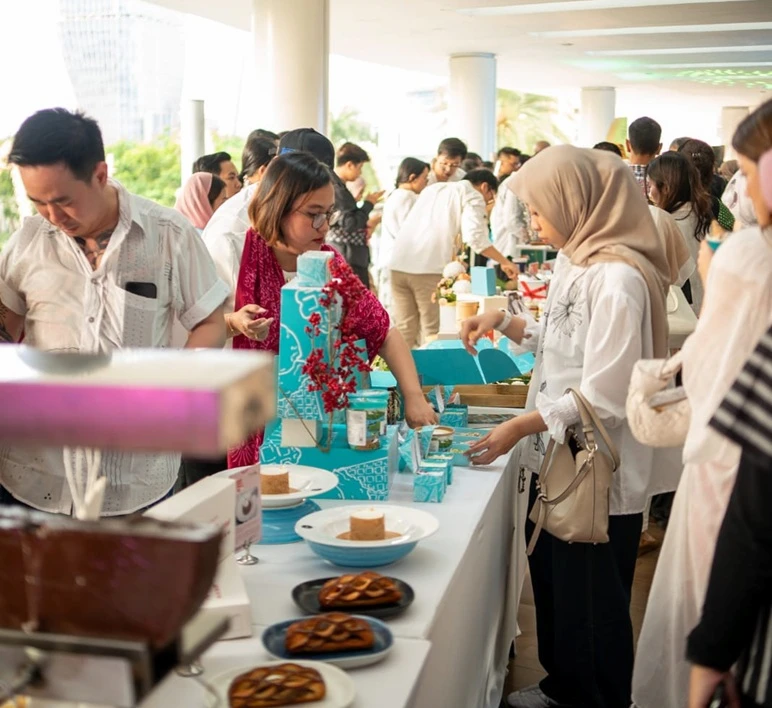
Around the world, food has evolved into one of the most effective instruments of cultural diplomacy. Culinary arts are no longer viewed merely as products for consumption but as powerful mediums for showcasing a nation's identity, values, creativity, and character.
Jakarta Dessert Week believes that soft power is built through authentic cultural experiences. When culinary arts collaborate with music, design, art, and creativity, they create new narratives about Indonesia that resonate not only with local audiences but also attract international attention.
Within this context, Dangdut symbolizes how Indonesian popular culture can inspire culinary innovation while strengthening Indonesia's image as a creative, inclusive nation with a rich cultural identity.
Through every collaboration, every dessert creation, and every festival experience, Jakarta Dessert Week hopes to contribute—no matter how modestly—to strengthening Indonesia's cultural position as part of the nation's soft power.
Part of the GADO GADO Cultural Network
Jakarta Dessert Week is part of the GADO GADO Cultural Network, a collaborative movement initiated alongside KADIN Indonesia and various national cultural platforms to strengthen Indonesia's creative industry ecosystem through cross-disciplinary collaboration.
Inspired by the philosophy of Indonesia's iconic gado-gado dish, which harmoniously combines diverse ingredients into one unified whole, GADO GADO represents diversity, mutual cooperation, and collaboration. This spirit is reflected through a growing network of national creative platforms working together to build a new narrative about Indonesia through culture, creativity, and innovation.
Together with Brightspot Market, IdeaFest, Jakarta Fashion Week, ICAD, ADGI Design Week, CAKRA, Dewan Kuliner Indonesia, and other creative initiatives, Jakarta Dessert Week forms part of an ecosystem that demonstrates how culinary arts are not merely about food, but also expressions of culture, national identity, and drivers of Indonesia's creative economy.
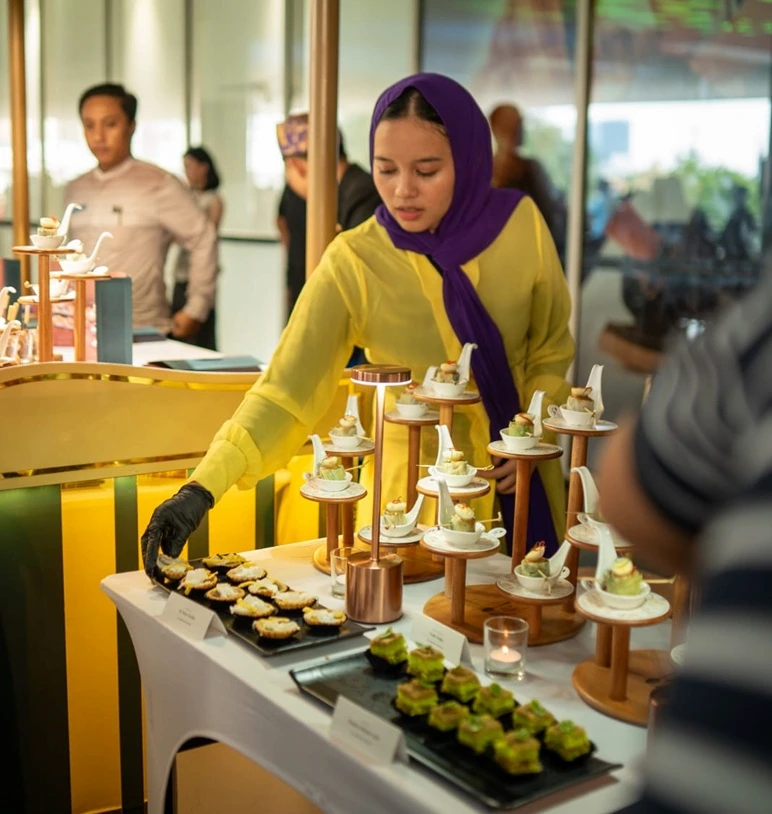
Through these cross-sector collaborations, Jakarta Dessert Week continues to deliver culinary experiences that connect flavors, culture, design, music, art, and storytelling within a creative ecosystem that supports and strengthens one another. The festival aims to be more than a celebration of desserts—it is part of a broader movement to build a collaborative, innovative, and globally competitive creative economy for Indonesia.
A City-Wide Dessert Celebration
As one of Indonesia's leading culinary festivals and a recurring part of the Kharisma Event Nusantara program, Jakarta Dessert Week has evolved into a platform that brings together restaurants, hotels, bakeries, pastry shops, dessert artisans, food and beverage brands, and pastry professionals from across Indonesia.
The 2026 edition will once again feature four signature programs:
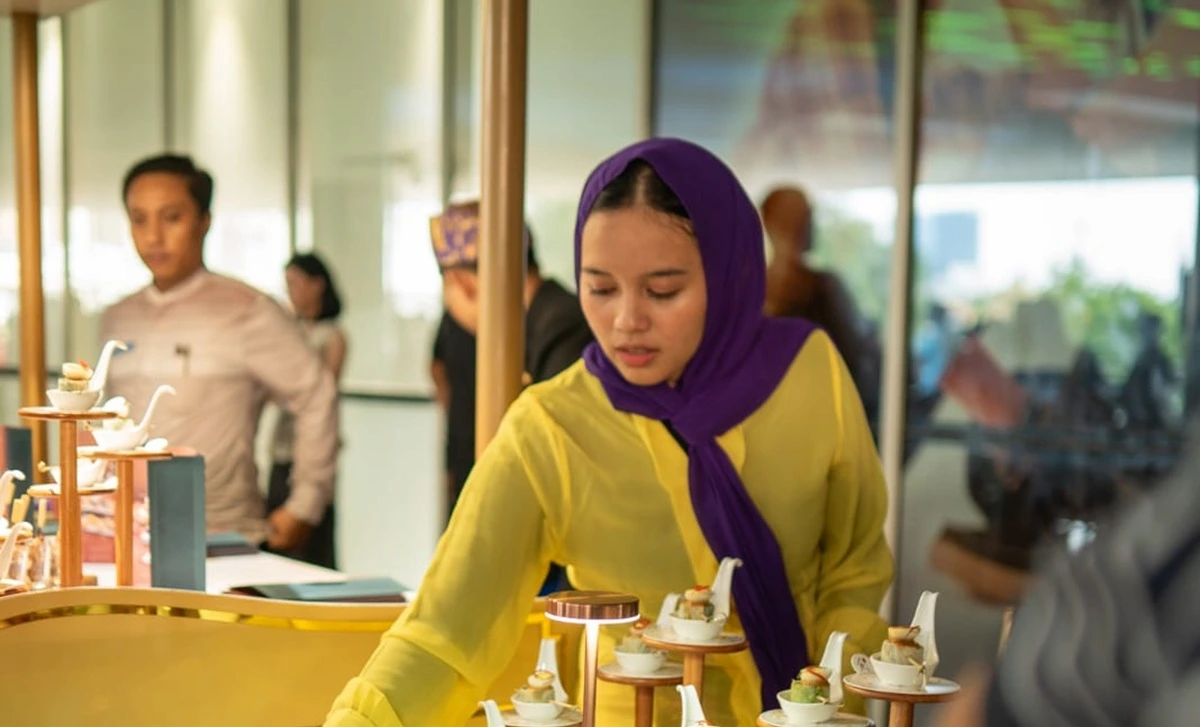
Industry and Media Gathering – The official opening of Jakarta Dessert Week, introducing exclusive festival dessert creations to media, opinion leaders, and industry professionals.
City Takeover – Collaborations with restaurants, hotels, bakeries, pastry shops, and dessert cafés across Jakarta, offering exclusive festival menus throughout the event period.
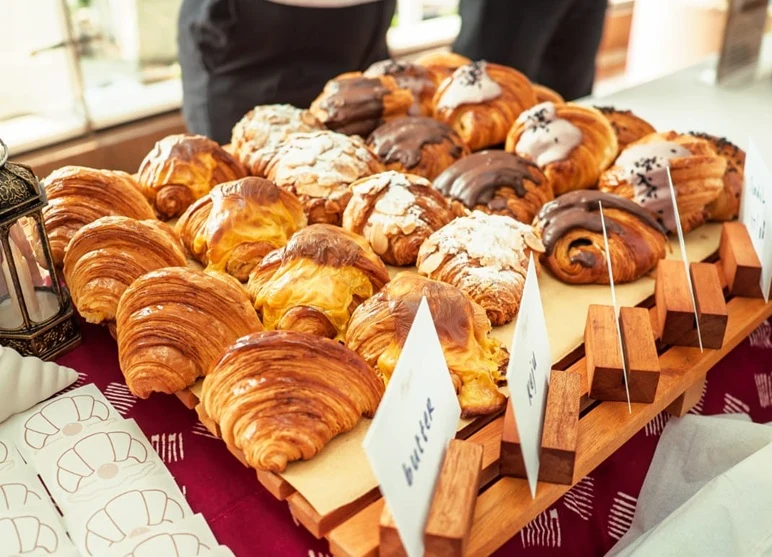
Dessert Markt – A public festival bringing together dessert artisans, SMEs, local brands, creative communities, and visitors to celebrate creativity, flavor exploration, and culinary experiences.
Golden Swirl Awards 2026 – Honoring pastry chefs, dessert artisans, bakeries, hotels, restaurants, and industry professionals who have made significant contributions to the growth of Indonesia's pastry and dessert industry.
Through the Dangdut theme, Jakarta Dessert Week invites all festival participants to explore nostalgia, bold experimentation, vibrant colors, unique textures, and fresh interpretations of Indonesian popular culture.
Dangdut is more than this year's festival theme. It is a celebration of Indonesia's own cultural heritage, an invitation to strengthen collaboration across creative economy sectors, and an opportunity to demonstrate that Indonesian popular culture remains a relevant source of inspiration for today's creative industries.
Ultimately, it represents one small step toward strengthening Indonesia's soft power through the universal language that everyone understands: food.