


 Annissa Wulan
 Aug 21, 2026
The core of Jakarta’s central business district is undergoing a massive subterranean transformation. A brand-new 4,439-square-meter Extended Concourse is currently being constructed 18 meters beneath Jalan M.H. Thamrin, expanding the footprint of the Bundaran HI MRT Station into a seamlessly connected, climate-controlled urban hub.
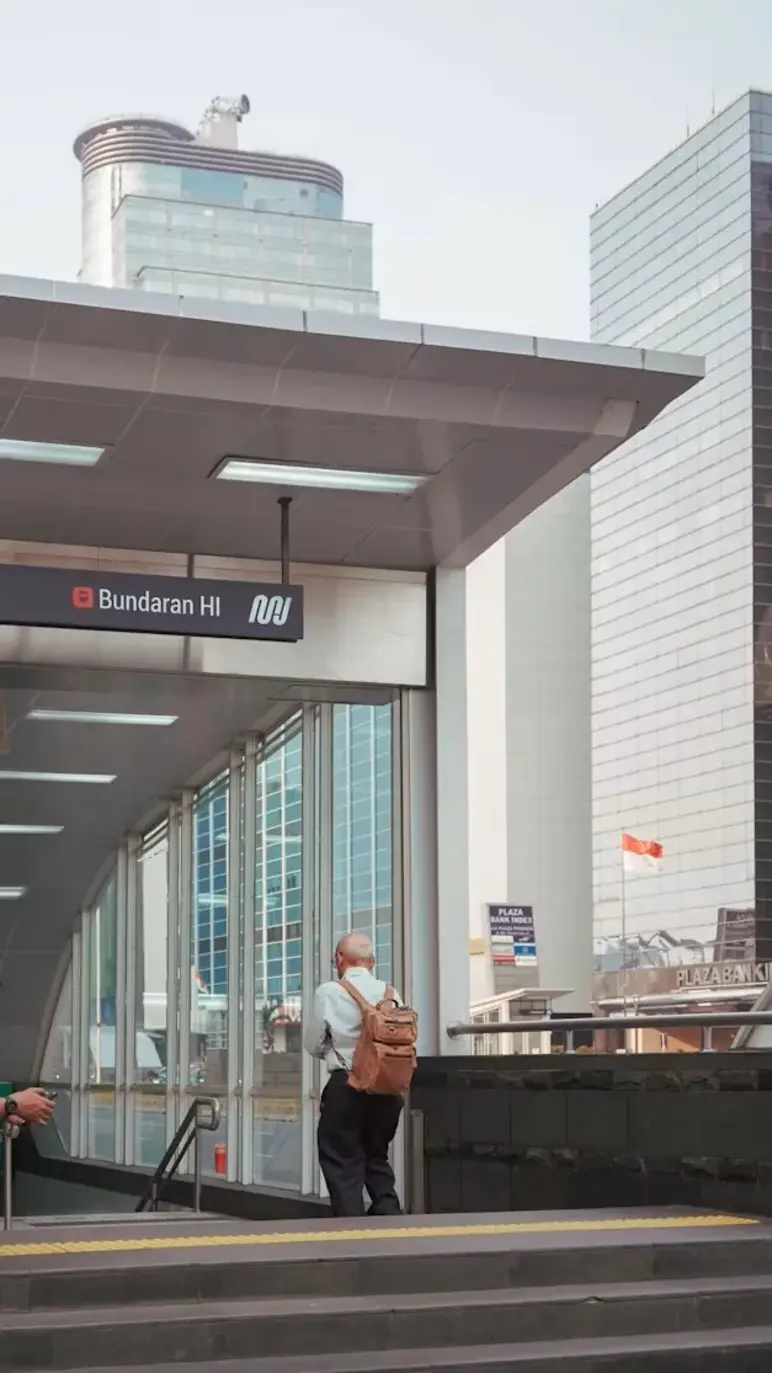
Designed as a non-paid area—meaning passersby do not need to tap an MRT ticket to enter—the underground pedestrian concourse will act as an all-weather urban hallway. Once complete, it will provide direct indoor connectivity through knock-down basement panels to prime commercial landmarks: Plaza Indonesia, Grand Hyatt Jakarta, Wisma Nusantara, and Pullman Jakarta Indonesia.
The IDR 200 billion expansion, executed by PT Integrasi Transit Jakarta (ITJ)—a subsidiary of PT MRT Jakarta—is timed to welcome Jakarta’s 500th Anniversary (Jakarta 5 Abad) in June 2027 while preparing the network for an expected surge of 6,000 additional daily commuters as Phase 2 northbound routes near completion.
As of July 2026, construction progress stood at 21.46%, with crews working round the clock to meet a 24.80% target by late August.
"Welcome to the extended concourse area, a project initiated by MRT Jakarta through PT Integrasi Transit Jakarta to expand the service area of Bundaran HI Station by 4,439 square meters," said Yulham Ferdiansyah Roestam, President Director of PT ITJ, during an official project update. "It is planned for completion in May 2027 to be inaugurated by the Governor in June 2027 to welcome Jakarta’s five-century celebration."
Beyond seamless navigation, the expanded underground realm will feature 24 lifestyle and retail units, transforming a traditional transit interchange into a curated space for dining, coffee, and daily convenience. To ensure continuous progress without paralyzing Thamrin's surface traffic, heavy structural work is carried out during scheduled daytime hours, while less invasive operations are conducted at night.
When completed, commuters and pedestrians will no longer need to navigate tropical heat or sudden downpours to move between Jakarta’s most iconic hotels and luxury shopping destinations—marking a major step toward a world-class, walkable urban center.