

 Rani Permata
 May 25, 2026
Beyond the Brew: Unveiling the Complexity of Arabica Coffee
Specialty coffee spans a wide range, but Arabica is often considered the top choice for quality. Making up 60% to 70% of the world’s coffee, Coffea arabica stands out for more than just its popularity. Its long history, careful growing needs, and wide variety of flavors make it unique.
For the discerning drinker, understanding the origin and intrinsic qualities of Arabica is the key to appreciating what is in the cup.
The Highland Heritage: From Ethiopia to the World
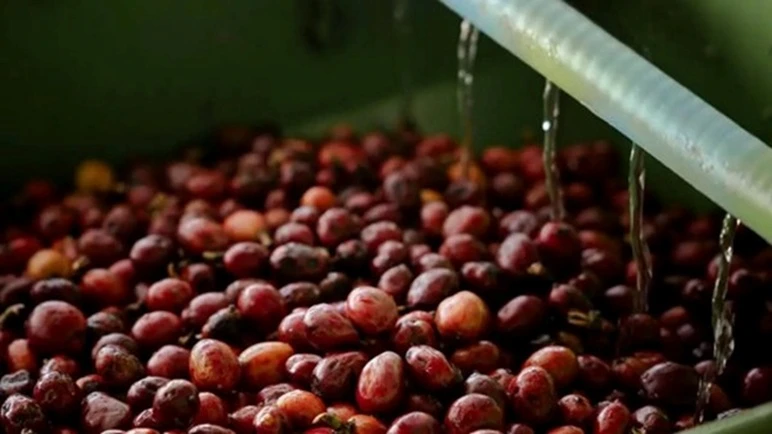
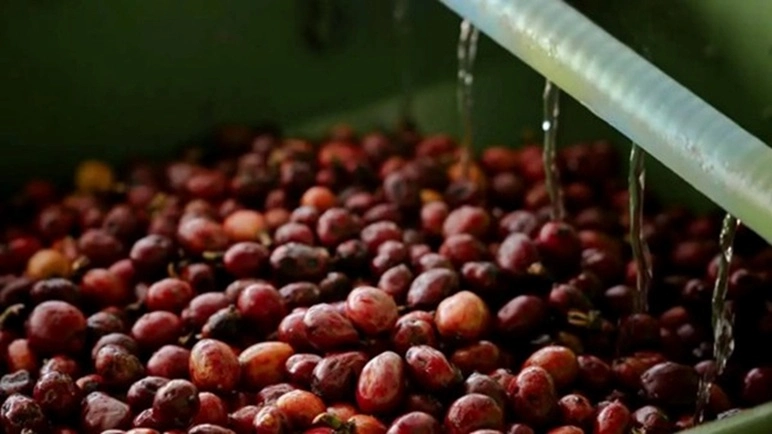
The story of Arabica coffee begins in the high-altitude forests of Ethiopia, specifically in regions like Kaffa. Legend tells of Kaldi, a goat herder who noticed his flock dancing after eating bright red berries. While the myth is charming, the botanical reality is even more fascinating. Arabica is the only variety in the genus Coffea that is tetraploid (having four sets of chromosomes), a genetic complexity that enables its remarkable flavor diversity.
By the 7th century, the plant crossed the Red Sea into Yemen. It was here that the beans were first roasted and brewed into the beverage we recognize today. The name "Arabica" itself stems from this period of cultivation in Arabia. From Yemen, the seeds eventually traveled to Java, the Americas, and beyond, giving rise to famous heirloom varieties like Typica and Bourbon.
The Anatomy of Quality: Altitude and Climate
What separates a mediocre coffee from a specialty Arabica is largely a matter of geography. Arabica is a temperamental plant. Unlike the hardier Robusta, which thrives in hot, humid lowlands, Arabica demands the cool, stable environment of the mountains.
Elevation: Coffee grows best at heights between 1,000 and 2,000 meters. High-altitude conditions are important for quality because the thinner air and cooler temperatures slow the maturation of coffee cherries. This slower growth helps the bean build up more complex sugars and organic acids.
The Soil: Arabica coffee grows best in rich, well-draining soil, which is often found in volcanic areas. The minerals in this soil shape the unique terroir, or taste of the place, so beans from Ethiopia can taste very different from those grown in Colombia.
The Sensory Profile: Why Flavor Matters
The primary reason Arabica is the industry standard is its flavor complexity. While other varieties can be harsh or rubbery, Arabica is prized for its sweetness and acidity.
Acidity and Brightness: In the coffee world, acidity is a positive trait. It refers to a lively, crisp sensation on the tongue, similar to the snap of a fresh apple or the tartness of a lemon.
Sugar Content: Arabica contains nearly twice as much natural sugar as Robusta. During the roasting process, these sugars undergo caramelization, resulting in notes of chocolate, caramel, and toasted nuts.
Aromatic Diversity: Depending on the origin, an Arabica brew can express delicate floral aromas like jasmine, or deep fruity notes ranging from blueberry and strawberry to stone fruits like peach.
Key Qualities and Physical Characteristics
Visually, you can identify an Arabica bean by its oval shape and the distinct, sinuous "S" curve of the crease in the center. Beyond aesthetics, its chemical makeup is its greatest asset. It contains roughly 1.2% to 1.5% caffeine. This lower caffeine content compared to other varieties is actually a benefit for flavor; caffeine is naturally bitter, so less caffeine means the delicate floral and fruity nuances aren't masked by heavy bitterness.
Furthermore, Arabica contains a high concentration of coffee oils (lipids), which contribute to a smooth, silky mouthfeel and help carry the aromatic compounds to your olfactory senses.
Experience the Origin with Bali Origins
Understanding the legacy of Arabica is only the first step; the true journey begins with the first sip. To truly appreciate the nuances of high-altitude heritage and expert processing, you need a bean that honors these traditions.
At Bali Origins, we connect carefully selected coffee from highland plantations with consistent, precision-led processing. We work with premium Arabica, ensuring each roast reflects its origin with clarity and stability. Ready to experience coffee shaped by controlled processes and dependable quality?