


 Stallone Tjia
 Oct 09, 2026
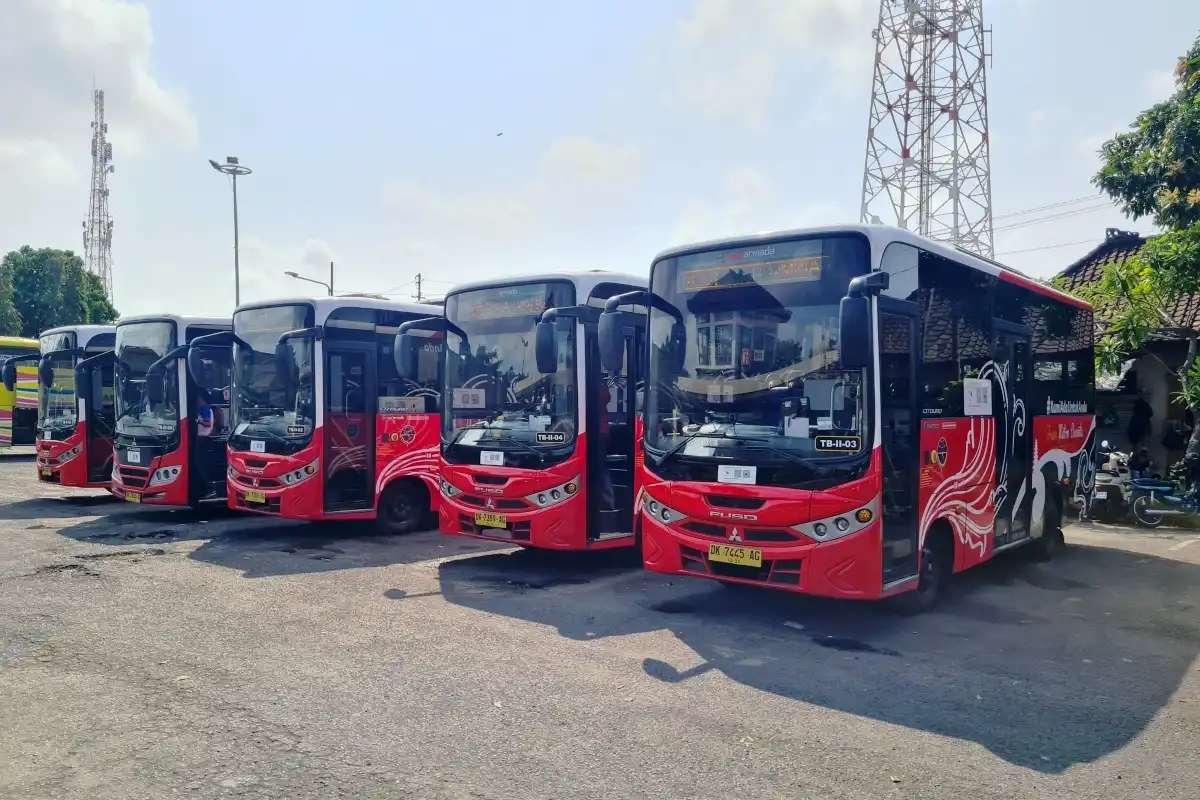
Bali is set to introduce 11 electric buses to its Trans Sarbagita public transportation network on 1 November 2026, marking another step towards cleaner and more sustainable mobility on the island. The new fleet will initially serve a corridor connecting GOR Ngurah Rai in Denpasar with Udayana University and Garuda Wisnu Kencana (GWK) in South Bali.
Bali to Introduce 11 Electric Buses on Trans Sarbagita Route in November
According to Bali’s provincial Transportation Agency, all 11 buses have arrived and are in the final stages of preparation. An inauguration ceremony is scheduled for 22 October, ahead of the planned commencement of public services the following month.
The electric buses are part of the Bali E-Mobility project, supported by the South Korean government in collaboration with the Global Green Growth Institute (GGGI). The fleet features bodywork manufactured by Laksana in Semarang, Indonesia, and Hyundai chassis from South Korea.
The initial operational phase will allow the provincial government to evaluate service readiness, passenger demand, charging requirements and overall operating costs. The buses are expected to continue serving the public beyond the initial one-month trial, becoming part of Bali’s public transportation network.
Supporting infrastructure has also been prepared, with charging stations available at the Bali Transportation Agency’s office and GOR Ngurah Rai. These facilities will support the fleet’s charging needs as the service gets underway.
However, several operational details remain under discussion. The provincial government has yet to confirm passenger fares, including whether the service will initially be free or chargeable. Maintenance expenses and the potential cost savings compared with conventional fuel-powered buses will also be assessed once the fleet is in regular use.
Looking ahead, Bali has proposed an operating budget of IDR 5 billion for the electric bus service in 2027. The allocation is intended to support the continuation of the programme as the provincial government evaluates its long-term viability and potential for expansion.
The introduction of the electric fleet reflects Bali’s broader efforts to improve public transportation and encourage lower-emission mobility. The results of the initial rollout will help determine the next steps for integrating electric buses into the island’s transport network.