

 Stallone Tjia
 Oct 28, 2026
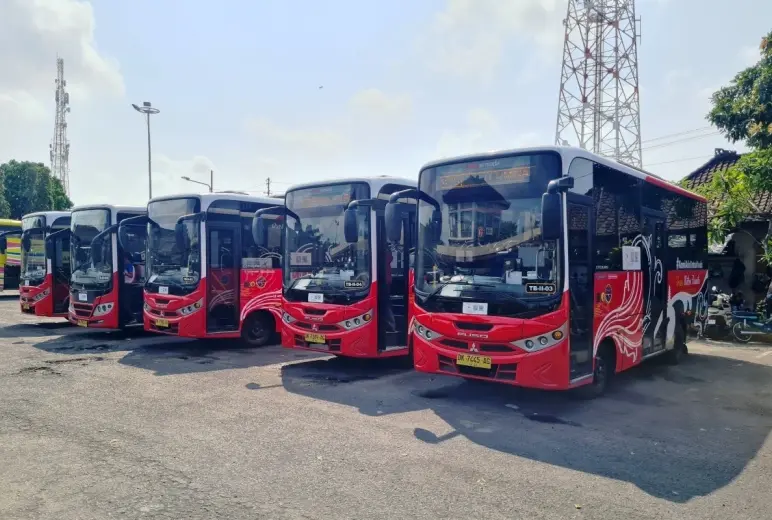
Bali is taking another step toward a greener future with the arrival of 11 electric buses donated by the South Korean government. Officially handed over on 22 October 2026 in Denpasar, the new fleet marks a significant milestone in the island’s transition toward cleaner, more sustainable public transportation, offering a promising alternative to conventional fossil fuel-powered vehicles.
The initiative forms part of the Bali Sustainable Transportation System project, a collaboration between the governments of Indonesia and South Korea, supported by the Global Green Growth Institute (GGGI). The project aims to reduce greenhouse gas emissions, improve public transportation services, and strengthen Bali’s position as an environmentally conscious tourism destination.
Bali Governor I Wayan Koster welcomed the initiative, reaffirming the provincial government’s commitment to accelerating the adoption of battery-powered electric vehicles. The move also supports Bali Governor Regulation No. 48 of 2019 concerning electric vehicles, whose implementation was previously delayed by the COVID-19 pandemic and subsequent economic recovery.
Hyundai Introduces Electric Buses Designed for Bali
The new fleet consists of 11 Hyundai COUNTY EV buses, developed in partnership with Indonesian bus body manufacturer Laksana. Each eight-metre-long bus accommodates 20 passengers and features a 128 kWh battery capable of travelling more than 200 kilometres on a single full charge.
The buses also feature a distinctive black, red, and white colour scheme inspired by Bali’s traditional Tridatu colours, incorporating a touch of local cultural identity into the modern fleet.
Hyundai Motor will provide technical support during the initial deployment through its EV Bus Field Quality Assurance Program, monitoring vehicle performance and reliability as the buses enter service.
The initiative represents Bali’s first electric public transportation pilot project and builds on Hyundai’s previous electric bus deployment in Surabaya in 2024.
A Cleaner Future for Bali's Public Transportation
Beyond introducing electric buses, the project includes six charging stations to support operations. According to GGGI, the initiative is expected to serve approximately 230,000 passengers over ten years while reducing carbon emissions by more than 2,200 tonnes of CO₂.
The project also aims to improve accessibility through special fares for students and passengers with disabilities. Plans are underway to develop an electric bus fleet management system in 2027, alongside demand-responsive transportation services designed to improve passenger accessibility.
Governor Koster emphasised that transitioning to electric vehicles is essential to preserving Bali’s air quality and protecting public health. The provincial government is also encouraging wider adoption of electric vehicles among residents, supported by its broader clean energy policies.
For an island heavily dependent on private cars and motorcycles, the introduction of electric buses signals an important shift toward more sustainable mobility. As Bali continues to develop its public transportation network, the initiative could help create a cleaner, more accessible travel experience for residents and tourists while reducing the island’s dependence on fossil fuels.