


 Stallone Tjia
 Aug 19, 2026
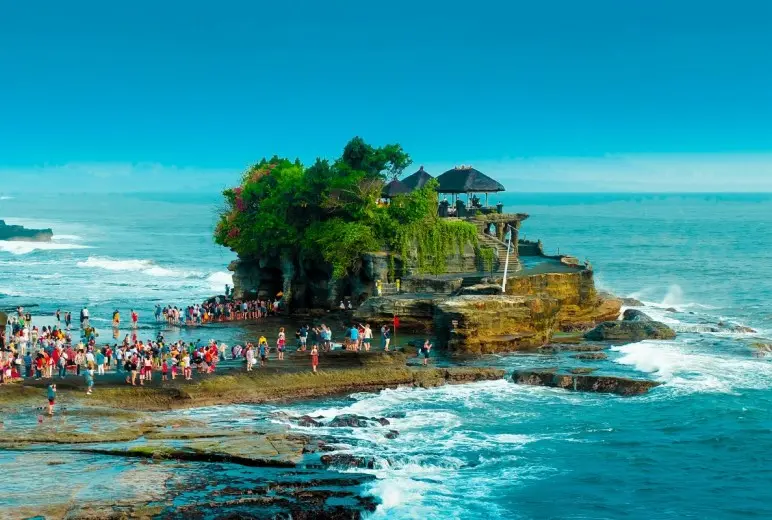
Bali may soon be known for more than beaches, resorts and sunset cocktails. The Indonesian government is preparing plans to develop the island as the home of the Indonesia International Financial Centre (Pusat Finansial Internasional Indonesia, or PFII), with ambitions to create a globally competitive financial hub inspired by Dubai.
The idea is part of Indonesia’s wider push to attract international investment and strengthen its position in the global financial sector. Bali has been selected as the proposed location, with the government looking closely at the success of the Dubai International Financial Centre (DIFC) as a model.
Taking Inspiration from Dubai
Rather than simply building another business district, the PFII is intended to create a complete financial ecosystem where international companies, investors and professionals can operate within a competitive, globally oriented environment.
According to Danantara COO and Head of the State-Owned Enterprises Regulatory Agency Dony Oskaria, Dubai’s DIFC offers an example of how a dedicated financial centre can transform a city into an international investment destination. The DIFC is home to more than 50,000 professionals and has established itself as a major financial centre serving the Middle East, Africa and South Asia.
One of the features Indonesia is particularly interested in is Dubai’s investor-friendly regulatory and tax environment. The DIFC has offered corporate tax incentives of up to zero per cent for certain periods, helping create an attractive environment for international businesses.
The Indonesian government hopes to adapt some of these best practices to the PFII, while developing a system suited to Indonesia’s own economy and regulatory framework.
Why Bali?
So, why Bali?
Beyond its global tourism profile, the island already has an established international image, strong connectivity and a large ecosystem of hospitality, business and professional services. The government sees this existing infrastructure as a potential advantage when building a new international financial centre.
The goal is to make Bali more than a destination people visit for holidays. The PFII could introduce another layer to the island’s economy, attracting financial institutions, multinational companies, investors and highly skilled professionals from around the world.
The government also expects the project to help deepen Indonesia’s domestic financial market, expand access to financing and bring more international capital into the country.
More Than Just Skyscrapers
While the phrase “Dubai of Bali” may conjure images of glass towers and futuristic business districts, the government says the project is about much more than physical infrastructure.
Danantara is preparing strategies covering investment, infrastructure, assets and supporting services, with the aim of creating an ecosystem that meets international standards. A key focus is also building investor confidence.
“PFII is not merely about building a financial district, but also about building the world’s trust in Indonesia,” Dony said in July.
That means the success of the project will depend not only on offices and infrastructure, but also on regulations, transparency, professional services, talent and an environment that makes international investors comfortable doing business in Indonesia.
What Could It Mean for Bali?
If the plan moves forward, the PFII could mark a significant shift in Bali’s economic landscape.
The island’s economy has long been closely associated with tourism, hospitality and creative industries. A major international financial centre could diversify that mix, potentially bringing new businesses, investment and professional opportunities to the island.
For Bali, it could mean a future where business travellers come not only for conferences and meetings, but also to work, invest and establish regional operations.
For Indonesia, the bigger ambition is even broader: to create a financial hub capable of competing with established centres such as Dubai and Singapore, while positioning Bali as a new gateway for international capital.
The government is now working on the framework and development strategy for PFII, with Danantara involved in preparing the investment and supporting ecosystem.
Whether Bali can truly become Indonesia’s answer to Dubai remains to be seen. But one thing is clear: the island’s future may be about to expand well beyond tourism.