


 Mirella Pandjaitan
 Jan 15, 2026
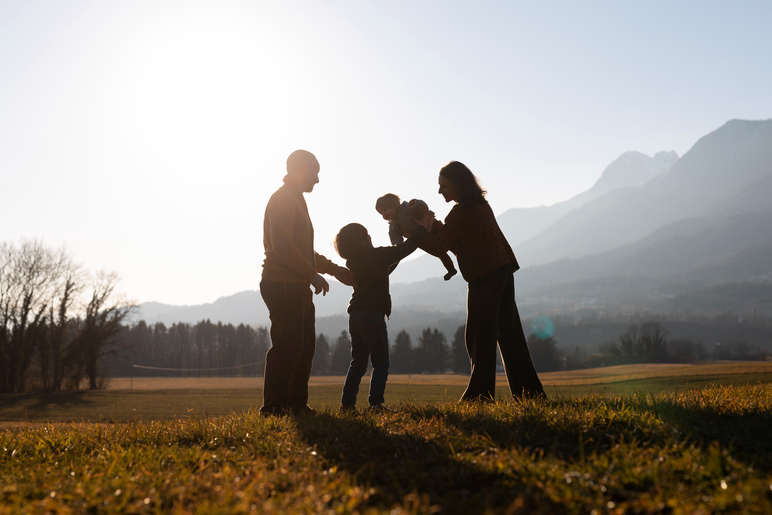
Choosing a country in which to raise one’s family is an act of quiet authorship—one that shapes values, rituals, and the cadence of daily life with lasting consequence. In its culture, safety, and sense of possibility, a country becomes not merely a backdrop, but a formative influence that subtly scripts who children grow up to be.
Parents therefore need to cautiously weigh in several facets when selecting a country to relocate. Beyond cost of living and career prospects, parents must look deeper. Safety, access to high-quality and affordable healthcare, parental leave policies, reasonable childcare costs, and a healthy work–life balance are not luxuries; they are essentials.
A country equipped with these benefits in harmony creates an ideal environment in which to raise children. Curious to find out? Let's get on with the list.
Australia
Thanks to strong family support programs, accessible quality education, and comprehensive safety measures, children are encouraged to lead active, adventurous lives, supported by a warm climate, vast open spaces, and abundant outdoor activities in Australia. Moreover, all children are entitled to free comprehensive healthcare through Medicare.
Parents may take up to 24 weeks of paid parental leave, which can be shared, along with an additional 12 months of unpaid leave.
Canada
Canada is among the safest countries in which to raise a family, celebrated for its cultural diversity and low crime rates. It has a high-quality public education system with free primary education for citizens and legal residents, alongside a comprehensive healthcare system covering prenatal care, childbirth, and pediatric services.
Canada’s parental leave policies are notably flexible, allowing parents to share up to 18 months of paid leave, though full salary coverage typically applies only in the initial months. The government also subsidizes childcare costs for low-income families.
Denmark
The robust welfare system, high quality of life, and exceptional safety make Denmark an ideal country for families. Eligible citizens and residents benefit from free public education through university level and a comprehensive healthcare system offering free basic care and heavily subsidised advanced treatments.
Mothers may take up to 18 weeks of paid maternity leave, while fathers receive two weeks of paid paternity leave. Danish culture strongly supports work–life balance, with many parents leaving work early to collect their children. Childcare costs are subsidised by up to 75 percent.
Finland
With low crime rates, abundant urban green spaces, universal high-quality healthcare, and an outstanding public education system, Finland excels in maternal and child care. Children begin formal schooling at age seven, enjoy shorter school days, and face no standardised testing in the early years. Finland is after all one of the safest countries in the world and a global leader in child wellbeing.
Parents are entitled to up to 320 days of paid parental leave per child, equally divided between parents. This benefit is available regardless of employment status, provided parents have contributed to Finland’s social insurance system (Kela) for at least 180 days.
Japan
For families who value safety and social cohesion, Japan is unparalleled. Japan ranks at the top for children’s physical wellbeing, with exceptionally low rates of childhood obesity and mortality. Its urban environments are meticulously designed with children in mind, providing abundant green spaces, low pollution levels, and minimal traffic accidents. Independence is cultivated from an early age—young children commonly walk to school alone or play in parks unsupervised.
Both parents are entitled to paid childcare leave (Ikijiku) of up to 12 months, though the exact duration is determined by employers. Employees raising children under three are exempt from overtime, and childcare costs are notably lower than in many European countries.
Read also: Top Universities in Japan
New Zealand
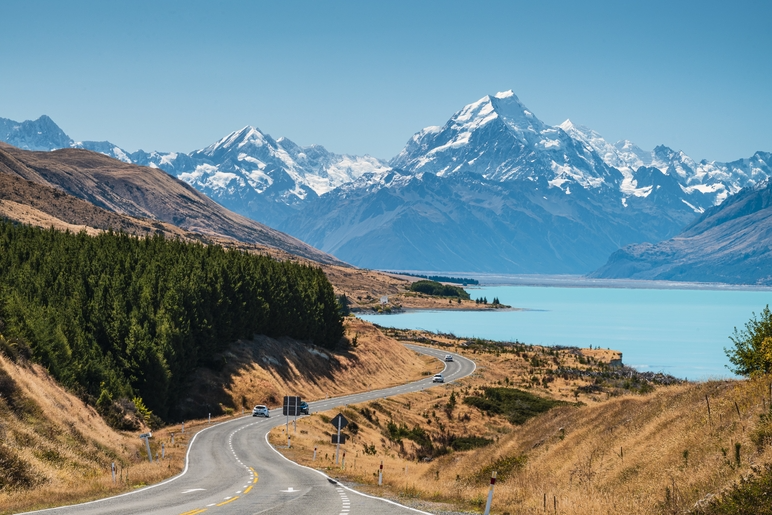
Life unfolds largely outdoors, and children are encouraged to develop independence early on. New Zealanders place high value on work–life balance, prioritising time with family and friends through community activities. It's no surprise that New Zealand consistently ranks among the best countries for family-friendliness, quality of life, low crime rates, and strong community spirit.
Public education is free, healthcare is affordable, and new parents receive up to 26 weeks of paid parental leave, with the option to take an additional 26 weeks unpaid. Government financial support is also available through tax credits such as Working for Families and the Best Start program.
Spain
This is a country widely regarded as one of the safest countries for children, particularly in terms of air and water quality. Its universal healthcare system serves all legal residents, but what truly sets Spain apart is its deeply child-friendly culture. Children are welcome everywhere—restaurants, streets, parks—and public tolerance for youthful noise and energy is refreshingly high. A mild climate, abundant beaches, parks, open spaces, and community activities foster an active, outdoor lifestyle.
Spanish culture prioritises work–life balance, with long lunch breaks and generous holidays allowing families to spend more time together. Spain also offers one of the world’s most generous combined paid parental leave policies: 16 weeks of paid maternity leave and 12 weeks of paid paternity leave for all legal residents, including freelancers, provided social security contributions have been made for at least 180 days over the previous seven years.
Switzerland
Renowned for its exceptional quality of life, low crime rates, multilingual society, stable economy, pristine cities, and strong public and private education systems, Switzerland stands as one of the world’s finest places to raise a family. Swiss culture encourages independence and outdoor living, with extensive hiking trails, cycling routes, and water sports.
Its education system uniquely blends academic and vocational pathways, while maternal and child healthcare ranks among the best globally. Moreover, parents are entitled to up to 14 weeks of paid maternity leave and two weeks of paid paternity leave.
The Netherlands
Strong family values, robust child-protection measures, and high environmental standards make The Netherlands consistently ranking among the top countries to raise children. The country boasts one of the finest public education and healthcare systems in Europe—and the world. It regularly tops UNICEF’s global rankings for child wellbeing. Children’s interests are central to public planning and policymaking. Cities deliberately allocate residential space for playgrounds, sports fields, and child-friendly facilities, with diverse play areas found across neighborhoods.
Dutch culture places great value on social connection. Community activities, clubs, and social groups are abundant, and children are encouraged to play outdoors, cycle to school, and engage actively in their neighbourhoods. Parents are supported through generous parental leave and childcare policies: 16 weeks of paid maternity leave, five weeks of paid paternity leave, and up to 26 weeks of unpaid shared parental leave—available to all legal residents.
Read also: Top Universities in The Netherlands
United Kingdom
Most residential neighbourhoods feature multiple play areas that encourage outdoor activity. Healthcare is provided free of charge through the National Health Service (NHS), though long waiting times for certain treatments mean many families choose to supplement with private health insurance.
Primary education is free for citizens and residents, and parental leave policies are well established. Mothers may take up to 52 weeks of maternity leave—39 weeks paid and 13 unpaid. Fathers are entitled to one or two weeks of paid paternity leave, or parents may opt for shared parental leave of up to 50 weeks, with 37 weeks paid between them.