


 Mirella Pandjaitan
 Jan 13, 2026
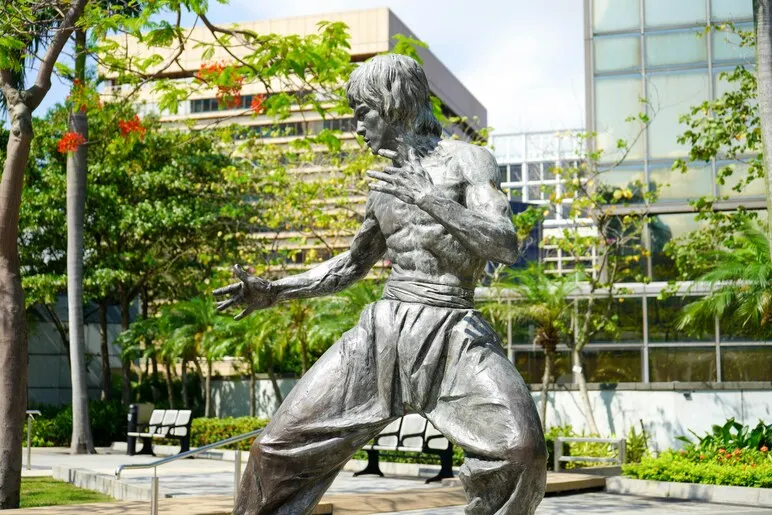
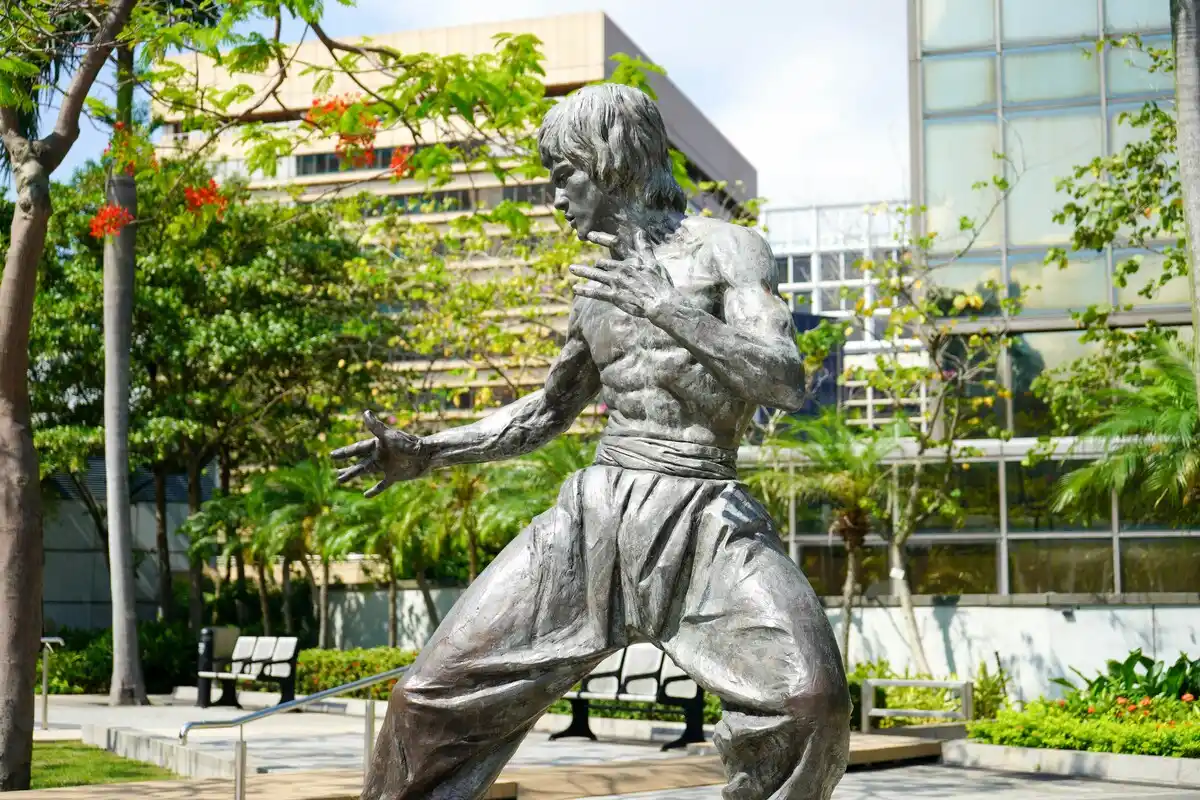
It’s been nearly fifty years since Bruce Lee’s passing, yet this Kung Fu icon continues to electrify Hong Kong. His life-size bronze statue along the iconic Avenue of Stars draws visitors from around the globe, paying tribute to a martial arts legacy that transformed a city and inspired generations.
Bruce Lee embodies a discipline that traces its roots to ancient China, where martial arts were developed for survival during the Warring States period. These early techniques combined agility, speed, and precision—kicks, jumps, and tumbling movements designed for both defence and attack.
The rise of Hong Kong Kung Fu
Kung Fu’s story in southern China is one of migration, adaptation, and global influence. Southern styles, originating in Zhejiang and Fujian during the Ming dynasty (1368–1644), spread through Guangdong, Guangxi, Sichuan, Taiwan, and Southeast Asia, eventually reaching Hong Kong. Waves of Hakka migration in the 17th and 18th centuries helped cement Hong Kong as a hub for martial arts, which flourished as the city grew into a vibrant economic and cultural centre.
Known collectively as Wushu, Chinese martial arts are far from uniform. Regional traditions created a rich tapestry of styles, often organised into “families” (Jia), “sects” (Pai), or “schools” (Men), with origins as far back as the Shang and Zhou dynasties (1507–256 BC). Northern styles, like Shaolin Kung Fu, emphasise footwork and circular motions, while southern styles, especially in Hong Kong, include Wing Chun, Hung Kuen, and Choy Lee Fut, each with its own philosophy and technique.
Hong Kong’s unique blend of cinematic innovation, urban energy, and skilled masters transformed Kung Fu into a global cultural export. Movies, exhibitions, and schools made the art form accessible and aspirational, ensuring that the city’s influence would resonate far beyond its borders.
Bruce Lee catapults Kung Fu to the world
Kung Fu’s global prominence is inseparable from Hong Kong. By the mid-20th century, as mainland China became politically closed, Hong Kong emerged as a cultural and cinematic hub where martial arts could flourish. Local studios began showcasing Kung Fu in films that combined artistry, athleticism, and drama, turning a regional practice into an international phenomenon.
Bruce Lee, the “Little Dragon”, began learning Wing Chun in Hong Kong at age thirteen under the tutelage of Grandmaster Yip Man. Focused on close combat and upper-body efficiency, the style formed the foundation for Lee’s later innovations.
In 1967, Lee developed Jeet Kune Do (JKD), integrating Wing Chun with elements from boxing, Karate, Brazilian Jiu-Jitsu, and Muay Thai. His approach emphasised efficiency, adaptability, and personal expression, redefining martial arts for the modern era.
Lee’s work not only popularised Kung Fu but positioned Hong Kong as the birthplace of contemporary martial arts culture, influencing action stars like Jackie Chan, Chuck Norris, and Jean-Claude Van Damme.
Bruce Lee’s films—Enter the Dragon, The Big Boss, and Fist of Fury—were pivotal. Through his charisma and physical mastery, he elevated Hong Kong Kung Fu to a global stage, making the city synonymous with martial arts. Hong Kong ultimately became the gateway where cinematic storytelling amplified the art form and inspired worldwide fascination.
Hong Kong today is a living Kung Fu hub
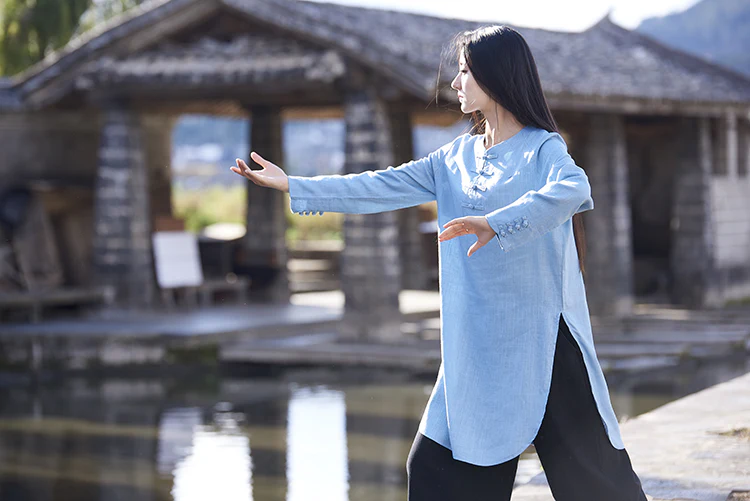
Hong Kong remains a cradle of martial arts excellence. Today, Bruce Lee’s influence permeates Hong Kong’s martial arts community. Many expatriates and tourists discover the city through Bruce Lee’s films and then immerse themselves in the art of Kung Fu.
Traditional schools, or kwoon, continue to operate under masters whose lineages span centuries. Among them, the Yip Man Martial Arts Association, led by Master Sam Lau, welcomes students to learn Wing Chun exactly as it was taught to Lee. Public parks transform each morning into open-air dojos: elders perfect Tai Chi, professionals practice Wing Chun, and students refine time-honoured forms.
For visitors, immersive experiences bring this living tradition to life—for at least five hours. The Wing Chun Kung Fu Experience Tour combines a masterclass at Yip Man’s school with visits to the Bruce Lee statue on the Avenue of Stars and the Bruce Lee: Kung Fu · Art · Life exhibition. This is a walk in the footsteps of a legend whose philosophy, power, and charisma still define the soul of Hong Kong.