



 Vincentius Alvin Yoga
 Mar 12, 2026
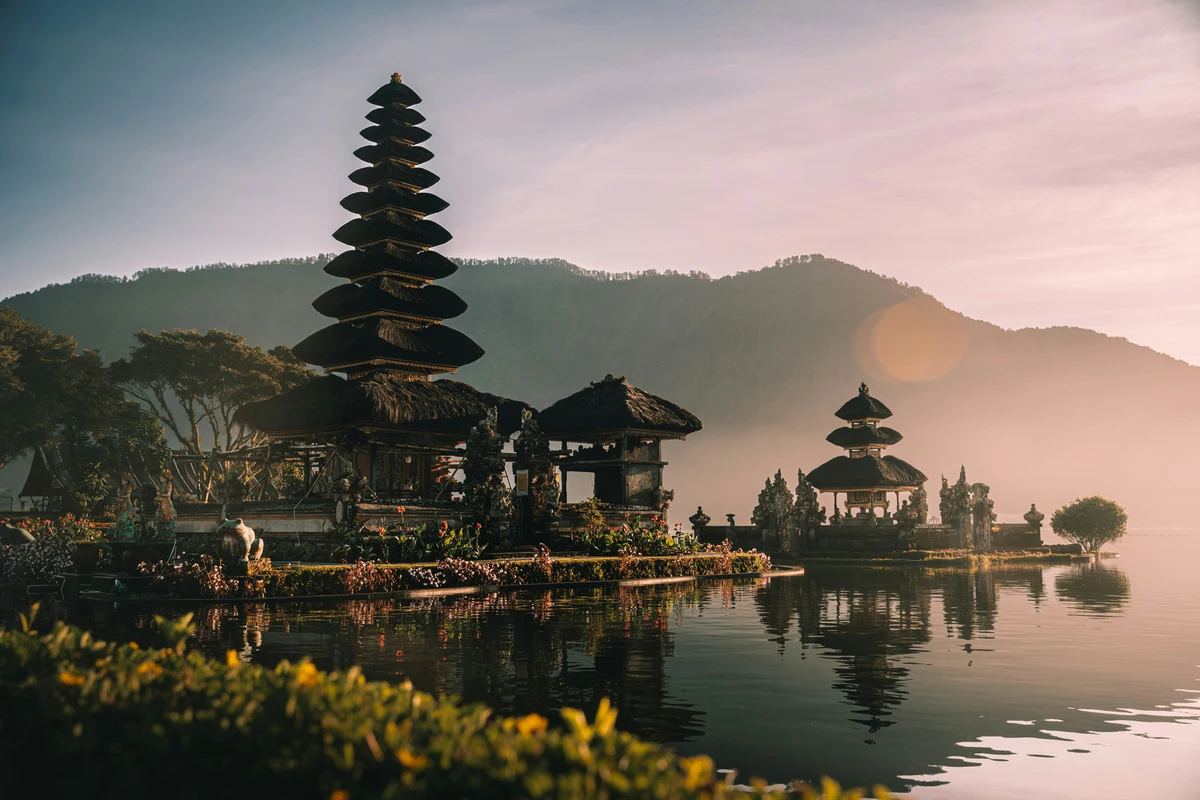
Bali, the Island of the Gods. This beautiful island is known for its beautiful landscapes, strong traditions, and their sacred rituals. Among the many cultural events on the island, Nyepi stands out as one of the most unique. Known as the Balinese Day of Silence, Nyepi marks the Hindu New Year and is observed with a full day of stillness across the island.
During Nyepi or Day of Silence, for 24 hours, the Island of the Gods comes to a complete stop.
During Nyepi or Day of Silence, for 24 hours, the Island of the Gods comes to a complete stop. The airport closes, streets are empty, businesses shut down, and even lights are kept to a minimum. Balinese Hindus follow four main restrictions during this time: no travel, no work, no entertainment, and no fire or lights.
But Nyepi is not just about silence. It is a time for reflection, self-control, and spiritual balance. The quiet allows people to pause, look inward, and reset for the year ahead. For visitors, experiencing Nyepi offers a rare moment to see Bali in its most peaceful state.
What is Nyepi
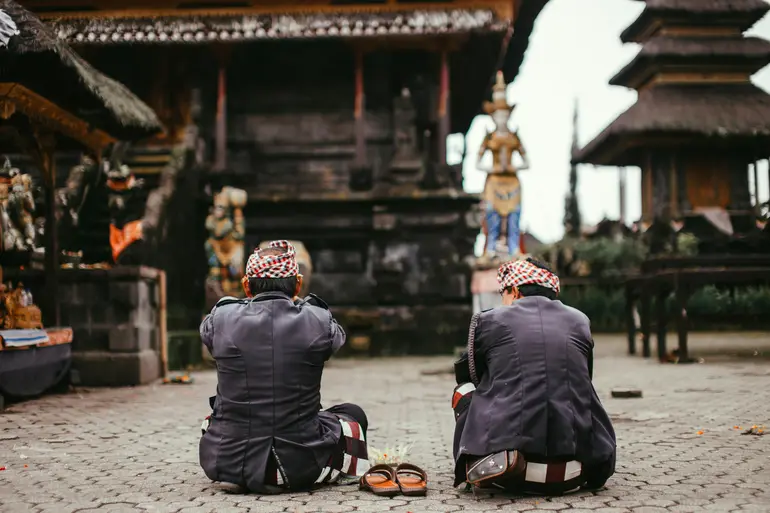
Image source: Pexels
The Balinese New Year is celebrated in a way that feels very different from most holidays. While most New Year celebrations are filled with fireworks and lively parties, Nyepi is quite the opposite. Balinese people celebrate their new year in complete silence.
Nyepi Day is one of the most important and sacred Hindu celebrations in Bali, marked by a series of rituals that reflect the island’s strong spiritual traditions. The Balinese Hindu community celebrates Isakawarsa, or the Balinese New Year, for six days. However, the main events happen over three key days.
The first is Pengerupukan Day, when large Ogoh-Ogoh statues are paraded through villages after sunset. The following day is the most important day, which is Nyepi Day or the Day of Silence, the official start of the new year. A day later comes Ngembak Geni, when families and communities gather again to welcome the new beginning.
On Nyepi, the entire island observes strict rules known as Catur Brata. These include Amati Geni or avoiding fire or light, Amati Karya or refraining from work, Amati Lelungan or staying at home and not traveling, and Amati Lelangunan or avoiding entertainment or celebration.
For many people in Bali, Nyepi becomes a quiet moment for reflection. Daily life pauses, and the island settles into a rare stillness that lasts for a full day.
Also read: 10 Fun Facts About Nyepi in Bali
When is Nyepi
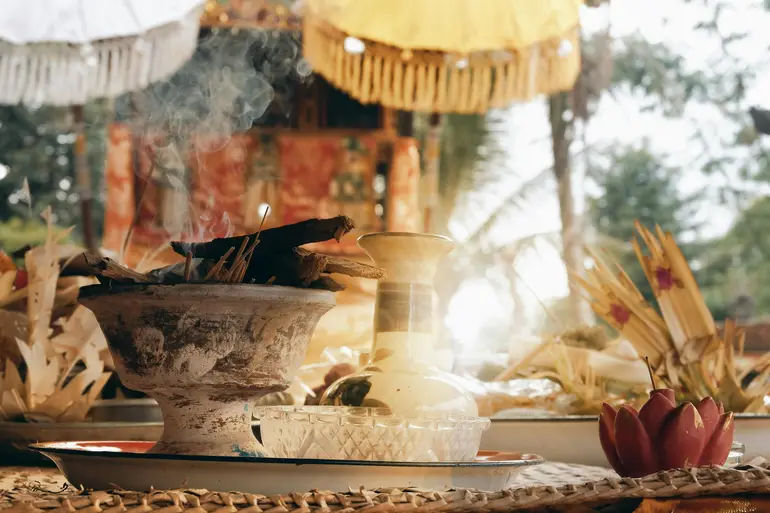
Image source: Pexels
Unlike many New Year celebrations that fall on the first day of the first month, Nyepi follows a different system. In the Balinese calendar, Nyepi takes place on the first day of the tenth month, known as sasih kedasa, one day after the ninth new moon.
In the Gregorian calendar, this usually falls in March. Because the Balinese Hindu calendar is based on lunar cycles, the calculation of days, months, and years is different from the Gregorian system. As a result, the date of Nyepi changes every year.
In 2026, Nyepi will be observed on March 19. The Day of Silence begins at 6 AM and continues for a full 24 hours, ending at 6 AM on March 20. During this time, the entire island follows the traditional restrictions that define the sacred day, creating a rare moment when Bali comes to a complete pause.
How does Nyepi Works
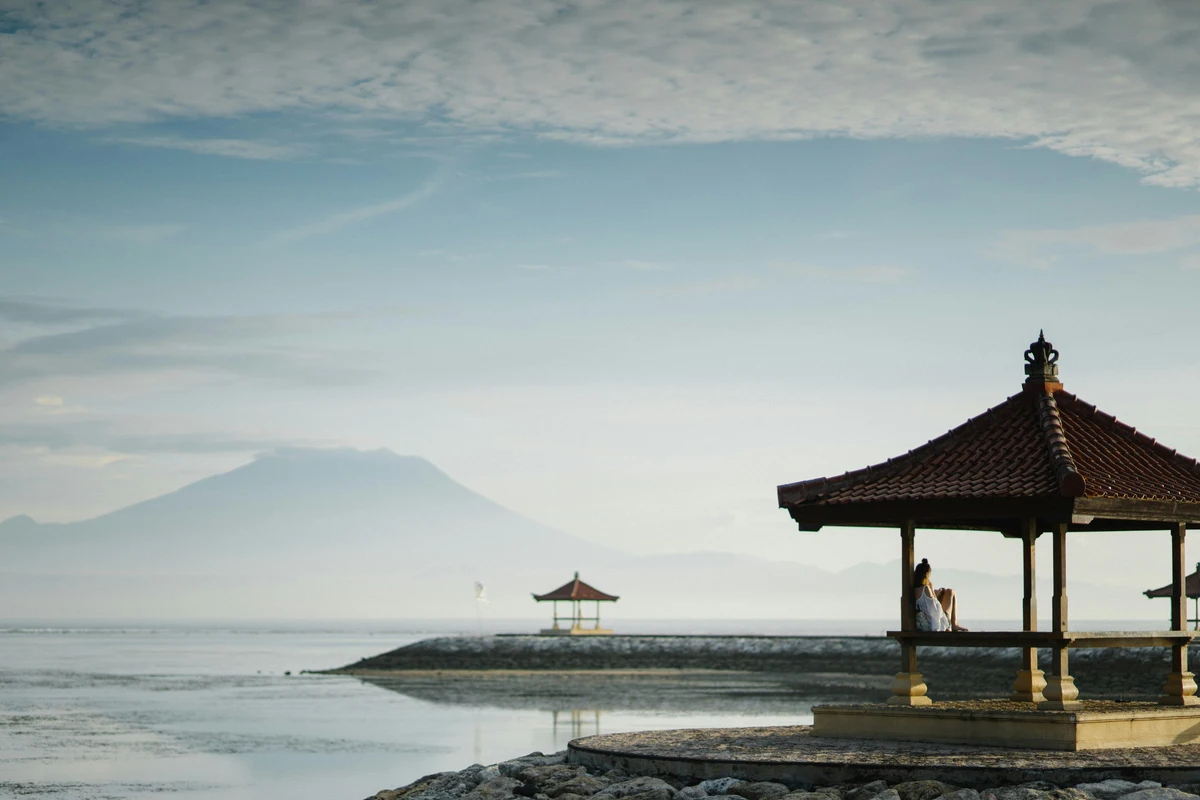
Image source: Unsplash
During Nyepi, everyone on the island is expected to stay indoors. This applies to both locals and visitors. Lights should be kept to a minimum, and the island observes a full day of silence. The streets are empty, and people are not allowed to go outside. Activities such as going to the beach, taking a walk, or playing music that can be heard from outside are not permitted. After sunset, curtains are usually closed and lighting is reduced as much as possible.
If you are in Bali during Nyepi, there is no need to plan outdoor activities. If you are staying in the hotel, you are required to remain inside the hotel or villa for the 24-hour period. Hotels usually inform guests about the rules and any specific arrangements during the day. If you are staying in a private villa, it is recommended to prepare enough food and drinks in advance.
To ensure the rules are followed, local security guards known as Pecalang patrol different areas across the island. They help maintain order and make sure the day remains quiet. Hospitals continue to operate for emergencies, but most other services pause. Ngurah Rai International Airport and other transport hubs close for the day, meaning there are no flights, boats, or buses arriving or departing. Businesses and restaurants also remain closed.
Visitors are expected to respect these traditions. Anyone seen breaking the rules may be stopped by the Pecalang, who monitor neighborhoods throughout the day to keep the island peaceful. At minimum, you will be asked to return to your accommodation. More severe consequences may apply, include fines or the worst is potential deportation.
What are the Rituals
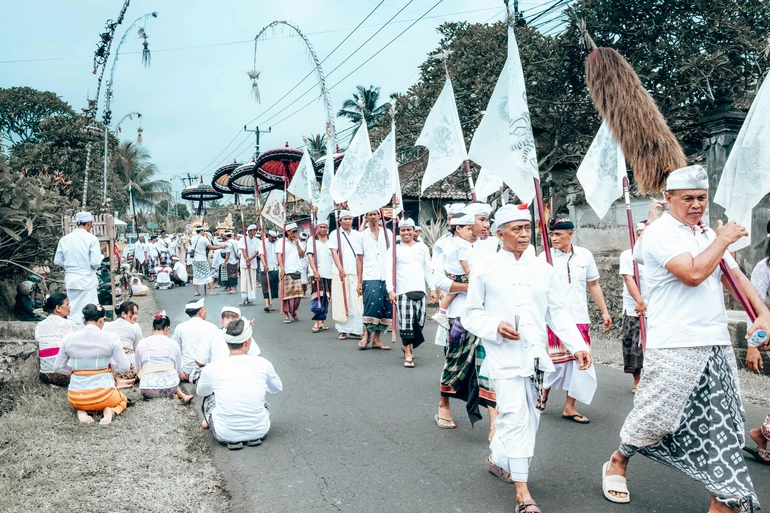
Image source: Unsplash
]In the days leading up to Nyepi, Balinese Hindus take part in a series of rituals that prepare the island for the new year. One of the most important is the Melasti ceremony, which takes place about three or four days before Nyepi. The word Melasti means “to cleanse” or “to purify.” The ceremony is meant to spiritually prepare people for the sacred day.
During Melasti, communities bring sacred objects from their temples and parade them through the village before heading to the sea. These objects are then purified with seawater. The ocean is believed to be the most powerful source of purification, known in Hindu belief as tirta amerta, or the water of life. Participants usually wear white clothing as a symbol of purity while prayers and rituals take place by the shore.
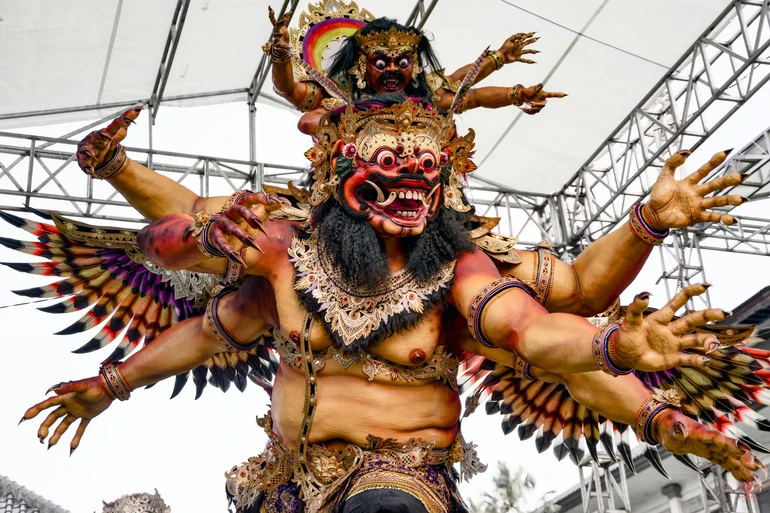
Image source: Unsplash
After Melasti, just a day before Nyepi, comes Pengerupukan, marked by the well-known Ogoh-Ogoh parades. Ogoh-ogoh, or large statues often shaped like demons, are carried through the streets after sunset. Made from bamboo and paper, the parades are accompanied by traditional music, drums, and loud noise meant to drive away negative forces. The ritual, also known as Bhuta Yajna, is intended to restore balance between humans, nature, and the spiritual world.
After the procession, the statues are usually burned in an open space such as a field or beach. The fire is seen as a symbol of cleansing negative energy. But not all statues are burned. Some villages hold friendly competitions for the best Ogoh-Ogoh, while others follow their own traditions regarding the statues.
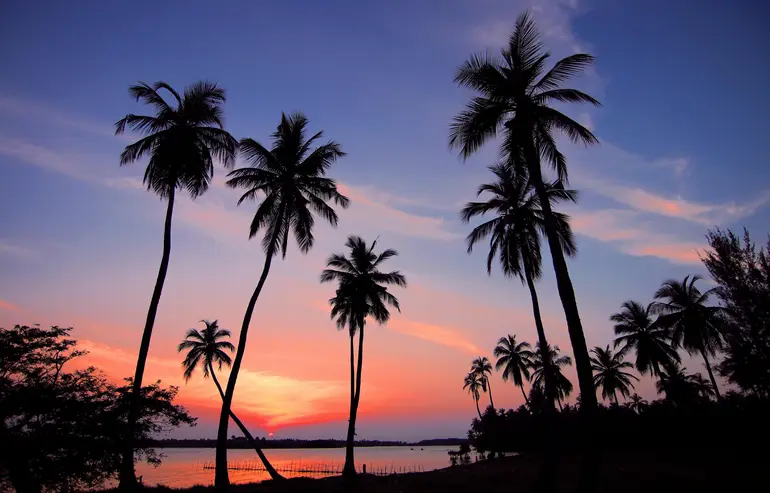
Image source: Pexels
The next morning at 6 AM, Nyepi begins. For 24 hours, the entire island enters a period of complete silence. Streets are empty, businesses close, and lights are kept to a minimum. Many Balinese Hindus spend the day praying or meditating, while visitors simply remain indoors.
After the day of silence ends, Bali slowly returns to normal with Ngembak Geni, a moment of renewal and reconnection. Families and friends visit each other to ask for forgiveness and start the new year with a clean slate. In some areas, communities hold local traditions and celebrations. One of the most well-known is the playful Omed-Omedan ritual, where unmarried young people take part in a mass kissing ceremony. Other villages organize community gatherings, markets, or cultural performances as people come together again after a full day of stillness.
Where to Watch Ogoh-Ogoh Parade
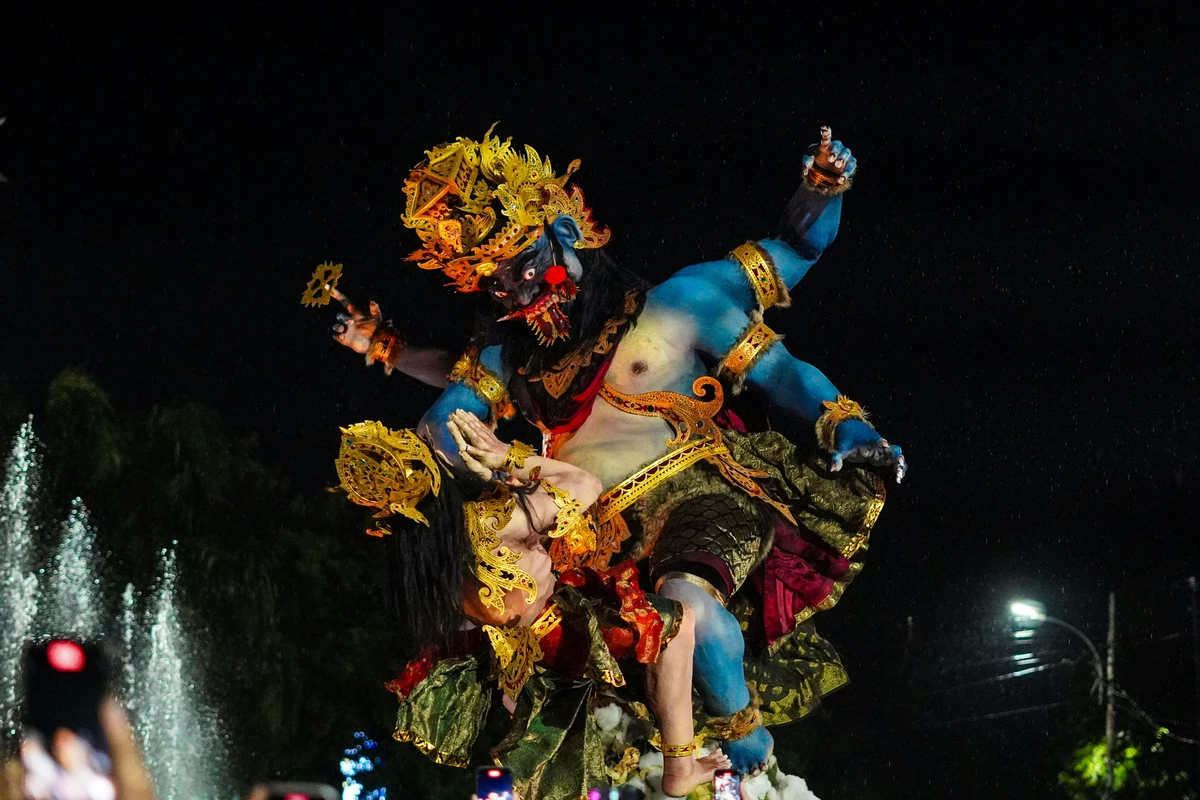
Image source: Unsplash
On Pengerupukan night, the streets of Bali come alive as communities across the island prepare for the Ogoh-Ogoh parades. The event takes place on the evening before Nyepi and is one of the most anticipated moments leading up to the Day of Silence. In 2026, Pengerupukan will fall on 18 March.
Across villages and neighborhoods, large Ogoh-Ogoh statues are carried through the streets, accompanied by music, drums, and lively crowds. Each community often creates its own statue, making every parade slightly different.
If you are planning to experience Ogoh-Ogoh celebration, we have curated some of the best places to watch the parade across Bali here.
The Magic of Nyepi
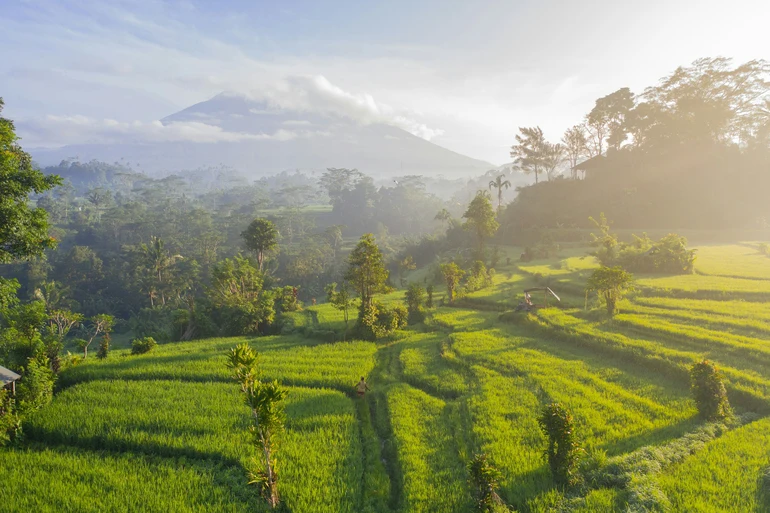
Image source: Unsplash
The highlight of the Balinese New Year is quite different from the loud celebrations seen in many other parts of the world. Instead of fireworks and parties, Bali welcomes the new year with complete silence. For 24 hours, the island pauses as people reflect on the past year and symbolically leave behind past mistakes, starting the new year with a clean slate.
Visitors who happen to be in Bali during Nyepi have the rare chance to witness this unique moment. It is an unusual experience where the entire island becomes quiet, allowing both locals and visitors to slow down and reflect.
For the Balinese Hindu community, Nyepi is more than just a holiday. It is a time for introspection, cleansing, and renewal. The silence encourages people to look back on their actions, reflect on their lives, and begin the new year with clearer intentions.
Nyepi also carries a deeper meaning about balance. By stopping daily activities for a full day, the tradition is believed to help restore harmony between humans, nature, and the wider universe. For a brief moment, the island rests, and the natural environment is given time and space to recover.