


 Vincentius Alvin Yoga
 May 07, 2026
For decades, Bali has been shaped by the philosophy of Tri Hita Karana, a principle that emphasizes balance between humans, the environment, and the spiritual world. One of the most visible reflections of this philosophy is Bali’s long-standing regulation that no building should stand taller than a coconut tree, or around 15 meters. Now, amid increasing tourism development and land pressure in South Bali, policymakers are discussing whether the island should begin allowing taller buildings in selected areas.
An Ancient Rule Rooted in Spiritual and Cultural Values
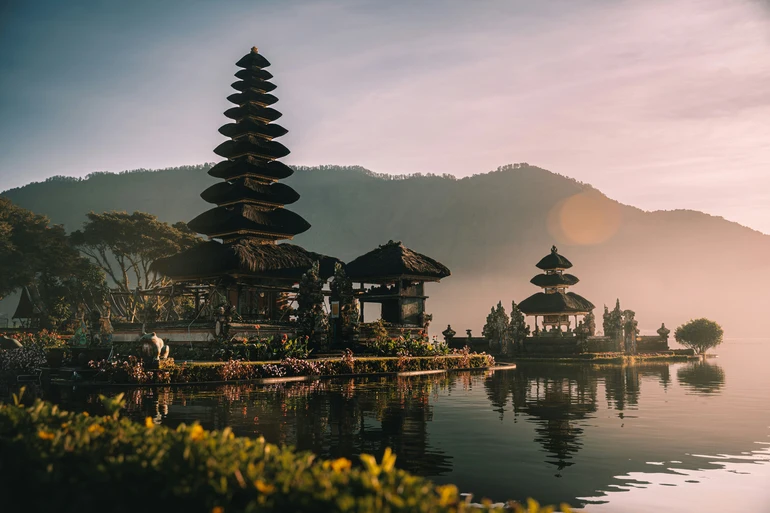
The coconut tree height regulation has been in place for more than 50 years, dating back to 1971 when Bali worked with French consultants to help design the island’s planning. The outcome was a rule stating that no structure should rise higher than a coconut tree or higher than 15 meters.
For many people, the regulation has often been viewed as an aesthetic decision meant to preserve Bali’s landscape. However, the philosophy behind it runs much deeper. In Balinese belief, the rule symbolizes humility, reflecting the idea that humans should not attempt to “reach the sky” beyond their natural place.
Over the years, the 15-meter limit has become both customary law and provincial policy, helping shape Bali’s identity as a destination known for low-rise landscapes rather than towering skylines. Although a few exceptions have been granted in certain cases, the regulation has largely remained intact and respected across the island.
Proposal for Special High-Rise Zones
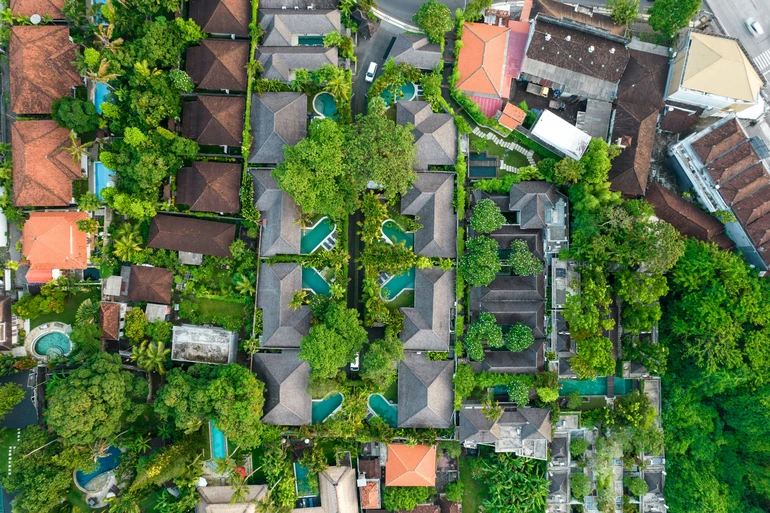
The discussion resurfaced after Made Suparta, Chairman of the Bali Regional People’s Representative Council’s Special Committee on Planning, Assets and Licensing (DPRD TRAP), proposed a new policy known as “Value-Based Special (Differential) Height Zoning.”
Rather than removing the height restriction entirely, the proposal would create special zones where buildings could reach up to 45 meters. Areas being considered include coastal parts of Tabanan Regency and Gianyar Regency such as Tanah Lot and Keramas Beach, along with parts of Sanur, Nusa Dua, and South Kuta including the Bukit Peninsula.
According to Suparta, the proposal is aimed at responding to the growing realities of development in Bali, especially in the southern region where land availability is becoming increasingly limited. He argued that investors and developers are demanding more space, while illegal spatial planning violations continue to rise because current regulations no longer reflect existing conditions.
Suparta believes designated high-rise zones could reduce unauthorized developments by providing legal and controlled areas for taller construction. He warned that without adaptive regulations, permit manipulation and uncontrolled violations could become more common.
Despite the proposal, Suparta emphasized that sacred areas and core cultural zones would continue to be protected under the existing restrictions.
Concerns Over Environment, Culture, and Local Workers
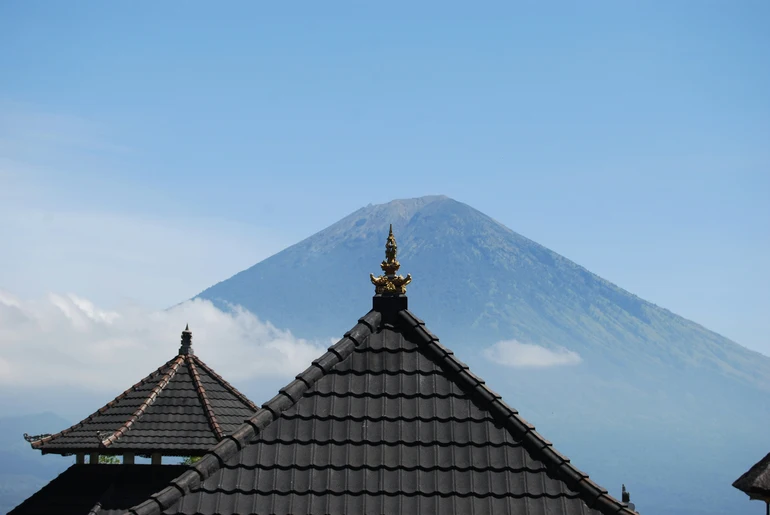
Not everyone agrees that Bali is ready for such a major shift. Nyoman Kenak, Chairman of the Indonesian Hindu Dharma Society (PHRI), urged policymakers to approach the discussion carefully and ensure any decision is backed by extensive scientific research.
Kenak stressed that moving from a 15-meter limit to 45 meters is a dramatic change that could impact Bali environmentally, culturally, and spatially. He also highlighted the importance of clarifying how height measurements are applied, noting that the current regulation refers to 15 meters above sea level rather than the surrounding terrain.
Beyond technical concerns, critics worry that taller buildings could disrupt Bali’s carefully preserved regional layout and cultural identity. There are also concerns that high-rise construction technology would require contractors and specialists from outside Bali, potentially reducing opportunities for local construction workers.
Kenak concluded that if future studies prove the proposal is feasible, then the public should accept the results. However, he emphasized that careful research must come first, warning that decisions made today will shape Bali for generations to come.
For many, this debate goes beyond architecture or tourism infrastructure. It raises a deeper question about Bali’s future direction and who the island is ultimately being developed for: the people who live on and protect the island, or the business interests driving rapid tourism expansion.