


 Mirella Pandjaitan
 Jan 08, 2026
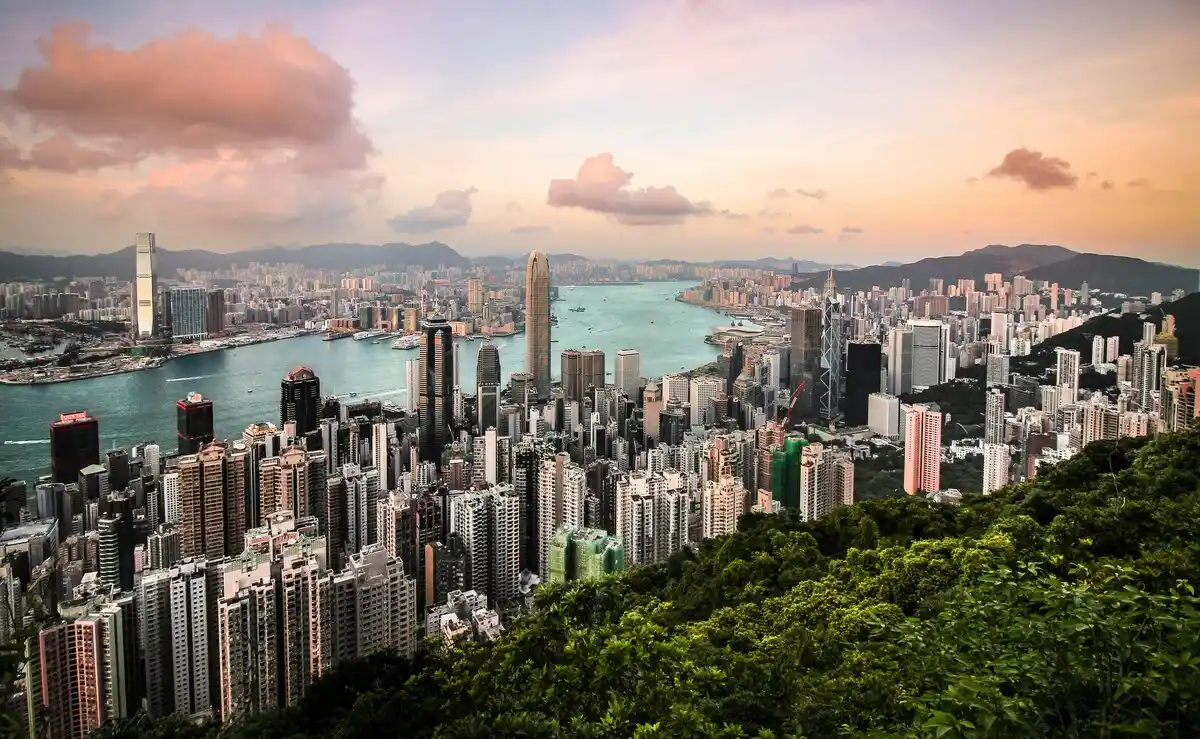
Hong Kong is a city that reveals itself in layers. Here, glass-and-steel skyscrapers soar above bustling harbours, neon lights dance along narrow alleys, and centuries-old temples whisper stories of a rich, layered past. Between the hum of double-decker trams and the serene sway of ferries on Victoria Harbour, Hong Kong invites you to wander, dawdle, and discover its unexpected corners.
The city is a playground for the senses. It’s a pulsing metropolis where historical temples coexist with towering skyscrapers and world-class shopping districts. But Hong Kong is beyond a destination—it’s an experience, a symphony of sight, sound, and flavour waiting to be explored by those who seek both the elegance of the city and the intimacy of its quieter moments. Let’s start breaking down the insights for first-time visitors.
Defining Hong Kong
It’s worth understanding that Hong Kong is far more than a skyline of glass and steel. Hong Kong is a Special Administrative Region (SAR) of China, giving it a unique political and cultural status. While part of China, Hong Kong operates with a high degree of autonomy: it has its own legal system, currency (HKD), and immigration policies. This distinct framework has allowed Hong Kong to retain a cosmopolitan identity, blending Eastern traditions and Western influences.
Echoes of Hong Kong’s past
The story of Hong Kong stretches back centuries, from its early indigenous communities to waves of Chinese settlers who left an enduring mark on local customs, festivals, and cuisine. The British colonial era (1842–1997) brought global trade, modern infrastructure, education, and a distinctive architectural and legal legacy. Since the handover, Hong Kong has flourished as a dynamic international hub, where every alleyway, harbourfront, and market carries traces of its layered past, i.e. the neon-lit streets of Mong Kok and the serene peaks of Lantau Island.
Before you go, remember these
Pockets of calm are never far away in Hong Kong. Temples, parks, and promenades are quiet respites from the urban energy, while the city’s cultural rituals remain woven into everyday life. When visiting sacred spaces, enter on the right and exit on the left, and remember that tipping is not customary—except for tour guides, who are an exception.
Scooters thread silently through the streets, a constant hum beneath the city’s skyline. Always stay vigilant when crossing roads, and follow local etiquette on escalators by standing to the right and leaving the left side clear for those in a hurry.
Familiarity with a few Cantonese phrases will enrich your experience, though English is widely spoken:
- Hello: nei hou
- Thank you: mm goi (for service) / do je (for gifts)
- Yes: hai
- No: mm hai
Landing in Hong Kong
Most international flights arrive at Hong Kong International Airport, perched on Lantau Island, roughly 30–40 minutes from the city centre. A smaller number of flights touch down at Hong Kong City (Songshan) Airport, conveniently nestled within the urban heart of Hong Kong Island. Both airports are seamlessly connected to the city via the MTR and other transport options, making your first journey into town effortless.
The Airport Express train is the fastest way to reach central hubs, whisking you to Kowloon or Hong Kong stations in under 30 minutes. For those who prefer a scenic or more flexible transfer, airport shuttle buses serve major hotels in Kowloon and Hong Kong Island, while public buses provide a cost-effective and surprisingly comfortable option for first-time visitors. Taxis and ride-hailing apps have direct city access, ideal if you’re carrying luggage or arriving after hours.
Staying connected with Octopus Card and SIM Cards
Getting around Hong Kong is uncomplicated once you know the tools and apps to make your trip smooth. SIM cards and eSIMs are readily available at Hong Kong International Airport and convenience stores for unlimited data. Options like MobiMatter eSIM provide instant data access without swapping physical SIM cards, while portable Wi-Fi routers are also obtainable for hire.
More so, acquire an Octopus Card. This reloadable card is your key to the city. It works on nearly all public transport, including the MTR, buses, trams, and even some taxis. It’s also accepted at convenience stores, supermarkets, and select restaurants. You can buy one at the airport, in MTR stations, or top it up via the Octopus mobile app.
Download these essential apps to make your life easier:
1. Citymapper – for detailed public transport routes and multi-modal trip planning.
2. Food Panda – for convenient food delivery across Hong Kong.
3. Go! Hong Kong MTR – for navigating the MTR subway system.
4. Google Maps – for precise directions and transit planning.
5. Hong Kong Weather – for accurate, up-to-date forecasts.
6. KMB / Citybus / New World First Bus apps – for checking bus routes, schedules, and live arrivals.
7. Star Ferry / Hong Kong Ferry apps – for ferry times and routes to outlying islands like Lamma and Cheung Chau.
8. Uber / HKTaxi app – for ride-hailing and taxi bookings.
Getting around Hong Kong and beyond
This city is designed for discovery. Its extensive MTR network and bus routes make navigating the urban maze simple and seamless. Staying near an MTR station is highly recommended for first-time visitors, as it allows smooth access to the city’s iconic sights and hidden gems. For shorter trips or more tailored explorations, taxis and ride-hailing services enable comfort and flexibility.
Hong Kong’s transportation options open up the surrounding islands and scenic spots as well. The Star Ferry remains a timeless way to cross Victoria Harbour, a breathtaking skyline vista that’s impossible to replicate from land. Ferries also depart for outlying islands such as Lamma, Cheung Chau, and Peng Chau, where quiet beaches, hiking trails, and seaside villages await.
Highways and buses connect the New Territories and the border regions for those seeking nature, heritage towns, or cultural excursions. So yes, you can go climb to Victoria Peak, stroll through Tai O fishing village, or escape to Lantau Island for a day intuitively.
Hong Kong neighbourhoods to consider
Wherever you decide to call your base can shape the tempo of how you see the city, eat, and explore. Here’s a quick guide to the most notable areas:
Kowloon Side
- Jordan and Yau Ma Tei: Local markets, traditional eateries, and the famous Temple Street Night Market.
- Mong Kok: Street markets and budget-friendly options; perfect for those seeking authentic local experiences.
- Tsim Sha Tsui: Famous for luxury shopping, harbour views, and Victoria Harbour promenades. Ideal for first-time visitors.
Hong Kong Island
- Causeway Bay: Upscale shopping district with trendy boutiques and modern hotels.
- Central District: The financial heart of Hong Kong, with proximity to Lan Kwai Fong nightlife, luxury dining, and Victoria Peak.
- Wan Chai: Commercial yet accessible; ideal for travellers seeking convenience without the high prices of Causeway Bay.
Tasting authentic Hong Kong
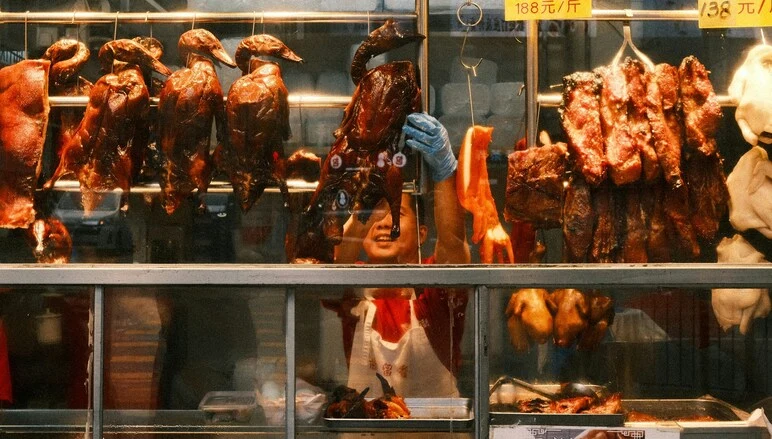
Hong Kong is a paradise for food lovers, where every alleyway is a new culinary adventure. Street food is the heartbeat of Hong Kong’s culinary scene. Even if you stick to familiar favourites, vegetarian options are easy to find, often marked with “素” on menus. Cash is king at street stalls, so having some Hong Kong dollars on hand is wise.
Even beyond the streets, Hong Kong is where tradition meets innovation. Tea houses, bakeries, and local cafés serve up classics like pineapple buns, milk tea, and silky steamed milk puddings. For a modern twist, Michelin-recommended spots such as Kam’s Roast Goose and Yat Lok elevate Cantonese classics to fine dining perfection.
Convenience stores like 7-Eleven and Circle K are more than just pit stops—they have quick bites, drinks, snacks, and essentials within reach.
Here are some must-try local specialities:
1. Steamed milk pudding: Silky, delicate, and topped with a thin layer of solidified milk.
2. Dim sum: Bite-sized delights like siu mai, har gow, and char siu buns.
3. Char siu: Sweet, smoky, and tender barbecue pork.
4. Egg tarts: Buttery pastry filled with creamy custard, a beloved Hong Kong classic.
5. Pineapple buns: Sweet, fluffy buns with a crackly golden top.
6. Wonton noodles: Slurpable goodness in rich, savoury broth.
7. Fish balls: A quintessential street snack, springy and flavourful.
What to buy in Hong Kong
Hong Kong features a mix of edible delights, stylish keepsakes, and pop-culture treasures. These items make ideal gifts or even lasting reminders of your journey:
1. Chinese teas and tea sets: Elegant oolong, pu-erh, or milk teas, often paired with artisanal tea sets.
2. Dim sum tools: Bamboo steamers or dumpling moulds for the culinary enthusiast.
3. Egg tart souvenirs: Mini egg tart kits or tins from renowned bakeries let you bring a taste of Hong Kong home.
4. Local snacks: Pineapple cakes, wife cakes, preserved plums, and nougat make for sweet and savoury treats.
5. Luxury goods: From Causeway Bay boutiques to Tsim Sha Tsui malls, designer fashion, watches, and cosmetics are a hallmark of Hong Kong shopping.
6. Pop culture collectables: Bruce Lee and Jackie Chan memorabilia, or quirky Hong Kong-themed figurines.
7. Traditional crafts: Jade jewellery, silk scarves, and paper lanterns reflect the city’s heritage.
5 iconic sites to visit in Hong Kong
Time to go for some sightseeing. These five iconic sites capture the essence of Hong Kong, each opening a window into its abundance.
Avenue of Stars
This site traces the glittering history of Hong Kong cinema along the Tsim Sha Tsui waterfront. Bronze statues and handprints pay tribute to legendary actors such as Bruce Lee, Jackie Chan, and Jet Li, while the sparkling waters of Victoria Harbour provide a cinematic backdrop of mountains and skyscrapers. Stroll the promenade at sunset, when the city lights begin to shimmer on the water, or linger for the nightly Symphony of Lights show, letting the rhythm of the harbour and the echoes of cinematic history sweep over you.
Hong Kong Disneyland
Enter a world where imagination and local culture intertwine. Stroll through themed lands, enjoy thrilling rides, and catch vibrant parades that fill the streets with music and colour. Disney characters greet guests at every turn, offering playful moments that delight both children and adults. The park is as much about magical experiences as it is about savouring the details—cinematic architecture, whimsical décor, and carefully curated dining that blends familiar flavours with Cantonese touches.
Ocean Park Hong Kong
Ocean Park is a sensory adventure, where thrilling roller coasters meet intimate encounters with wildlife. Wander through the tropical rainforest, marvel at giant pandas, or roam beneath the enormous dome of the world’s largest aquarium. Seasonal events, such as the annual Halloween Bash, transform the park into a lively spectacle of lights, music, and festive energy. All in all, Ocean Park promises a day of excitement and wonder for all ages.
Tian Tan Buddha (Big Buddha)
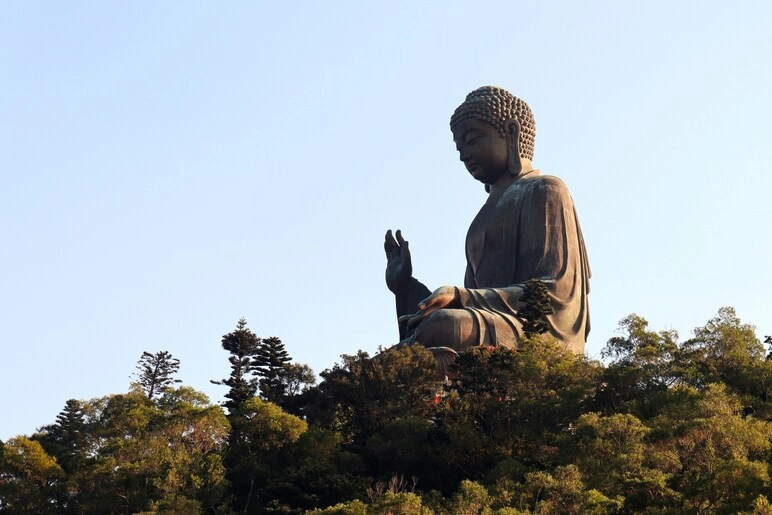
Perched atop Lantau Island, the imposing bronze Tian Tan Buddha commands reverence and awe. The journey begins with 268 steps (or the Ngong Ping Cable Car) for mesmerising views of lush mountains and the South China Sea. At the summit, the serene figure of the Buddha sits in quiet majesty beside Po Lin Monastery, inviting reflection and calm. Explore the surrounding paths and terraces, taking in the panoramic scenery while absorbing the tranquil atmosphere of this spiritual and natural sanctuary.
Victoria Peak
Victoria Peak is Hong Kong at its most breathtaking: the city sprawls beneath you, Victoria Harbour glinting in the sunlight, while ferries glide through the water and skyscrapers rise like glass-and-steel sentinels. Leisurely roam along the Governor’s Walk for sweeping city vistas or wander through the lush gardens of Victoria Peak Garden. The tram ride up is an experience in itself, offering a dramatic incline that reveals the city’s layered skyline. For a more tranquil moment, arrive early in the morning or linger at sunset, letting the golden light transform the metropolis into a tapestry of shimmer and shadow.
When is the best time to visit Hong Kong?
The best time to explore Hong Kong is in the fall (September–November) or spring (March–May), when the weather is most comfortable, and sightseeing is a pleasure. Fall is particularly magical, with clear skies, mild temperatures, and the perfect light for photographing the skyline and harbour. Spring means blooming flowers, comfortable humidity, and a gentle freshness in the air, ideal for strolling through markets, hiking trails, and coastal promenades.
Summer (June–August) is hot, humid, and often rainy, with typhoons occasionally sweeping through, while winter (December–February) brings cooler temperatures, festive charm, cultural events, and dim sum feasts, and larger crowds around the Lunar New Year make it a uniquely thrilling time to visit.
Pro Tip: Pack layers, an umbrella, and plan around occasional rain showers to make the most of your Hong Kong adventure.