


 Mirella Pandjaitan
 Jan 20, 2026
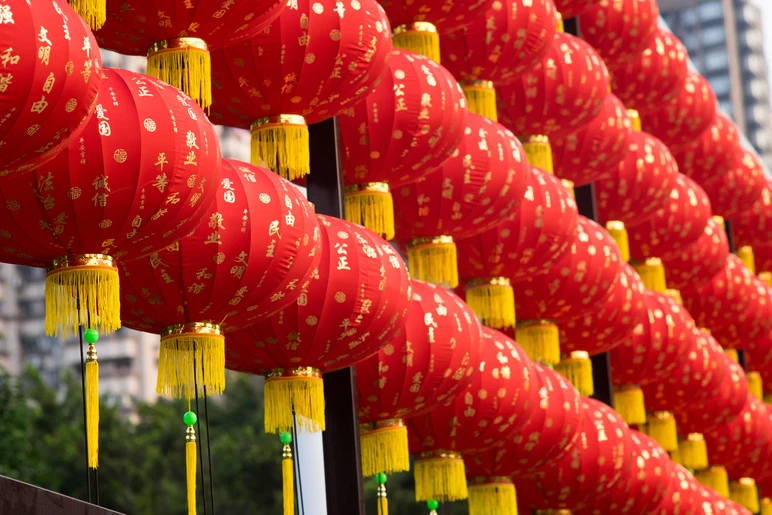
Chinese New Year in Hong Kong shares some familiar rhythms to Christmas in the West: gift-giving, lavish feasts, and family squabbles sparked by too much time together. But imagine that energy amplified and reinvented across the streets of Hong Kong.
Beyond these surface parallels lies a festival rooted in centuries-old traditions, agricultural cycles, and a uniquely Hong Kong flair for spectacle. Chinese New Year is, after all, a celebration of renewal, prosperity, and togetherness. Families follow a careful cadence of visits, rituals, and citywide events, while locals and visitors alike are swept up in a vibrant seasonal pulse.
Even for first-time visitors, it’s an immersive festival that transforms the city into a living celebration. Take this as a chance to witness tradition, revelry, and the undeniable spirit of Hong Kong all in one unforgettable week.
Here’s how the city transforms during the lunar festivities, with a few insider tips to navigate the magic.
Family first, then fun
Traditionally, the first two days are reserved for visiting paternal and maternal relatives, respectively. Families parade through streets in red and gold, wearing their newest garments. By the third day—“red mouth day”—tradition warns against familial visits, lest arguments erupt. Instead, many locals head to the Sha Tin Racecourse to witness the annual Chinese New Year Cup, turning equestrian sport into a festive spectacle.
Feasting on luck
Food is inseparable from the New Year. Poon choi (a lavish, multi-layered hotpot originally served in Hong Kong’s walled villages) takes centre stage. Modern versions overflow with abalone, chicken, pork, duck, lotus root, and fried fish maw, symbolising abundance and prosperity.
Other Cantonese culinary traditions lean on clever wordplay: dried oysters sound like “good business,” the glutinous rice cake nian gao signals “rising higher,” and sweet rice balls, tang yuan, evoke familial reunion. Many restaurants and family-style banquet halls serve these dishes; even solo visitors can find opportunities to join the feast.
Make a wish
In the New Territories, the Lam Tsuen Wishing Trees are a uniquely Hong Kong ritual. Visitors write wishes on joss paper, attach them to oranges, and toss them onto the branches of the sacred banyans. The higher a paper lands (and stays), the more certain the wish is said to come true.
Once a local practice, the event now draws crowds from across the city, with additional artificial trees to accommodate the tide of hopeful celebrants. The ritual is as much about community as it’s about personal aspiration and a tangible, playful interaction with the city’s heritage.
Red packets and gifting joy
Hong Kong hums with gifting rituals. Lai See, those iconic red envelopes filled with money, circulate between relatives, colleagues, and sometimes grateful hotel or restaurant staff. For travellers, understanding the custom is optional, but observing it adds context to the city’s generosity and ritualised celebrations.
Shops close, but the city never sleeps
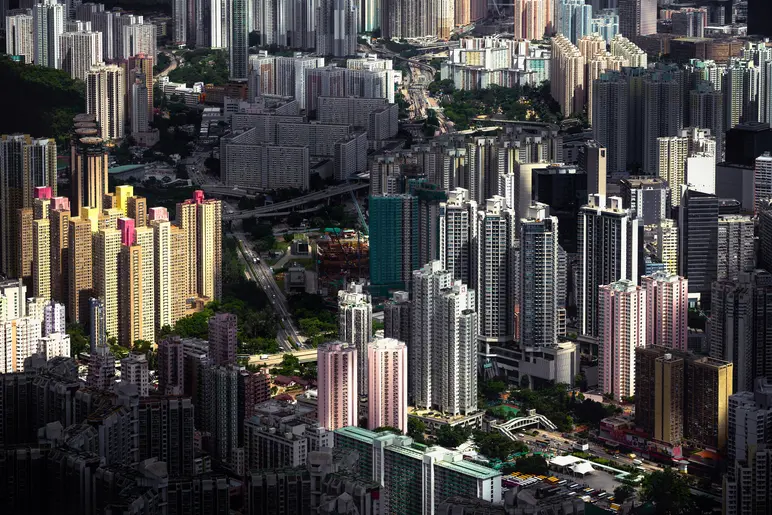
For the first time all year, Hong Kong’s famously bustling streets come to a pause. Many shops shutter for the first two days of the lunar new year, and smaller retailers frequently take a full week-long break. Museums and major attractions are largely open after day one, but planning ahead is crucial if you want to see everything without disruption.
Restaurants, bars, and clubs, by contrast, ramp up their energy, welcoming locals, tourists, and expats seeking festive meals or a late-night drink. Just remember: if your itinerary includes mainland China, prepare for the world’s largest human migration, where planes, trains, and roads are packed as the country collectively travels home.
Temples and tradition are deeply cherished
A quieter, more contemplative dimension of the holiday unfolds in Hong Kong’s temples. The first three days of the New Year are considered ideal for paying respects and seeking good fortune. Families arrive at local temples in crisp new outfits, offering incense and bowing before deities.
Even if you aren’t seeking blessings, visiting temples during this time is mesmerising. The mix of incense smoke, clattering offerings, and vibrant ceremonial garments creates a sensory experience unlike any other. Photography is possible, but remain respectful of worshippers. The Man Mo Temple on Hollywood Road is centrally located and easily accessible, marking this as an excellent window into the city’s spiritual life during the festival.
The city in bloom
Hong Kong is never short on colour, but the Chinese New Year is an entirely new spectrum. Streets, skyscrapers, and shopfronts glisten in red, gold, and green, while flower markets become the epicentre of seasonal life.
Victoria Park’s flower market, especially on New Year’s Eve, is a sensory feast. Locals and visitors alike jockey for bouquets thought to bring luck for the coming year, perfect to accompany a traditional reunion dinner of chicken and fish. Bright chrysanthemums, peonies, and orchids are everywhere, and the aroma of fresh blossoms lingers in the air. Markets open early and close late. Arriving near midnight on New Year’s Eve can be a memorable, if slightly surreal, experience.