


 Mirella Pandjaitan
 Mar 10, 2026
Remote, pristine, and breathtakingly beautiful, Antarctica remains one of the last true wilderness frontiers on Earth. Vast ice sheets stretch endlessly toward the horizon, glaciers thunder into the sea, and wildlife thrives in a landscape seemingly untouched by time.
Though reaching the continent requires careful planning, modern expedition cruises now make it possible for travellers to explore Antarctica responsibly and up close. Think sailing past sculpted icebergs and witnessing penguin colonies along remote shores. If Antarctica is on your bucket list, here’s what first-time visitors should know before embarking on this once-in-a-lifetime journey.
Defining Antarctica
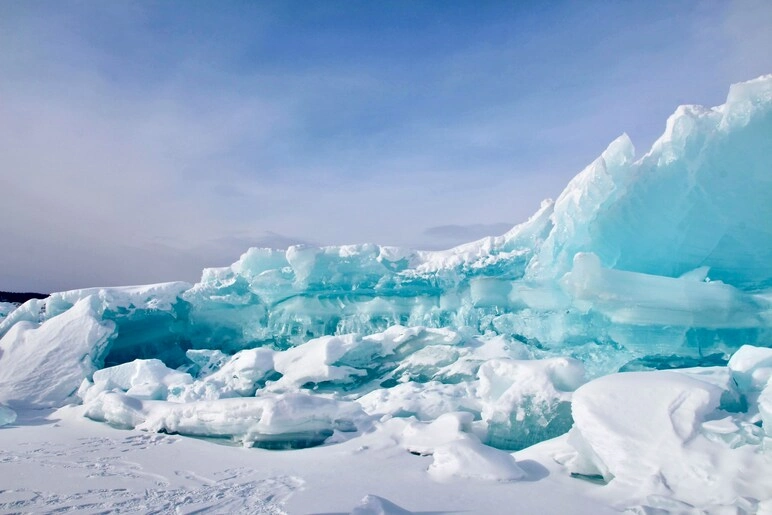
Antarctica is the coldest, driest, and windiest continent on the planet, covered almost entirely by a vast ice sheet that holds roughly 70 percent of Earth’s fresh water. Towering glaciers, frozen mountain ranges, and immense drifting icebergs define the landscape, creating scenery unlike anywhere else on Earth.
Despite its extreme climate, Antarctica supports a surprisingly abundant ecosystem. During the austral summer, the surrounding Southern Ocean fills with wildlife, and coastal areas come alive with breeding penguins, seals resting on ice floes, and whales surfacing in icy waters.
Echoes of Antarctica’s past
Antarctica’s history is defined by the daring explorers who ventured into its icy wilderness during the early 20th century, an era known as the “Heroic Age of Antarctic Exploration”. Legendary figures like Ernest Shackleton and Robert Falcon Scott led perilous expeditions across the frozen continent, driven by scientific curiosity and the ambition to reach the South Pole.
The expedition ships nowadays mostly retrace parts of the routes once taken by these explorers along the Antarctic Peninsula. While modern travel is far more comfortable, the sense of discovery and adventure that defined those early journeys still shapes every Antarctic expedition.
Before you go, remember these
Prepare for the Drake Passage. This is the crossing between South America and Antarctica, and it can be rough. Pack motion-sickness remedies if needed.
Speaking of packing, dress in layers. Antarctic weather can change quickly, and layering helps maintain comfort. You should also bring binoculars since wildlife sightings normally happen from afar. Moreover, spare camera batteries are essential since cold temperatures drain batteries faster than usual.
But, most of all, respect wildlife guidelines. Maintain safe distances and follow your expedition team’s instructions to protect the fragile ecosystem. This means to embrace flexibility since weather and ice conditions may change the itinerary.
Landing in Antarctica
Most Antarctic journeys begin in Ushuaia, a small port city at the southern tip of South America referred to as the “Gateway to Antarctica”. From there, expedition ships cross the legendary Drake Passage, a stretch of ocean known for its powerful swells and rich marine life. After roughly two days at sea, travellers reach the spectacular landscapes of the Antarctic Peninsula.
Some itineraries feature a fly-cruise option, where travellers fly to King George Island before boarding their expedition vessel, allowing them to bypass the Drake Passage entirely.
Read also: COMO Journey: Into the Arctic Returning in 2026
Staying connected in Antarctica, though limited
Connectivity in Antarctica is limited, and that’s part of its appeal. Most expedition ships provide satellite internet, though speeds can be slow and connections intermittent.
Rather than focusing on screens, travellers embrace the opportunity to disconnect and immerse themselves in the polar landscape by watching whales from the deck, photographing drifting icebergs, or simply enjoying the profound silence of the Antarctic wilderness.
What to buy from Antarctica
Unlike most destinations, Antarctica has no traditional markets or shopping districts. Instead, travellers bring home meaningful keepsakes from their expedition journeys, such as:
1. Antarctic journals or travel notebooks documenting the journey to the southernmost continent.
2. Expedition patches are souvenir badges commemorating the voyage and ship.
3. Conservation gifts are items that support Antarctic research and environmental protection.
4. Polar-themed books that are educational and beautifully photographed volumes about Antarctic wildlife and exploration.
5. Wildlife photography prints feature stunning images capturing penguins, whales, and polar landscapes.
Wildlife encounters in Antarctica
Wildlife is one of Antarctica’s greatest attractions, although it may appear stark and silent. Its surrounding waters host remarkable biodiversity. Moreover, during the summer months, the region becomes a haven for marine life and seabirds.
Here are some animals you’re likely to encounter:
1. Adélie penguins: Classic Antarctic penguins known for their energetic personalities and bustling colonies.
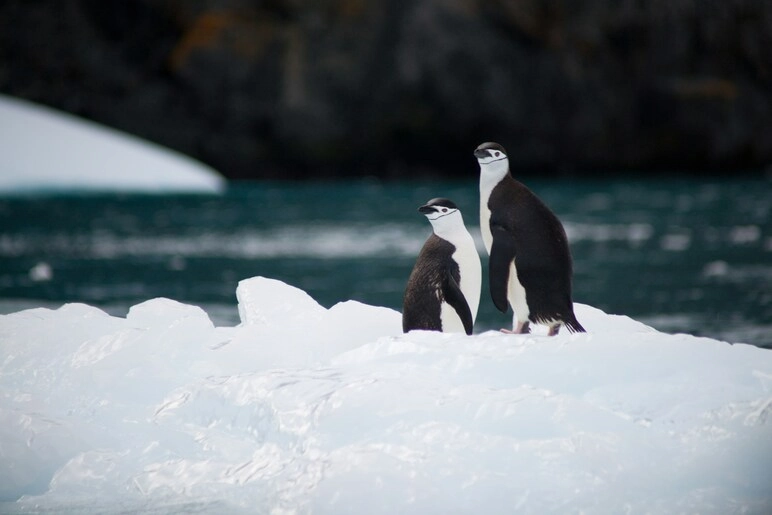
2. Chinstrap penguins: Named for the thin black band under their chin, these agile swimmers are common along the Antarctic Peninsula.
3. Gentoo penguins: Recognisable by their orange beaks and white head stripe, these curious penguins often approach visitors.
4. Humpback whales: Majestic whales that migrate to Antarctic waters each summer to feed on krill.
5. Leopard seals: Sleek predators that patrol Antarctic waters near ice floes.
6. Minke whales: Smaller but frequently spotted whales that often surface close to expedition ships.
7. Weddell seals: Calm, photogenic seals frequently seen resting on sea ice.
Iconic experiences in Antarctica
Antarctica doesn’t impress with spectacle alone. It reveals itself slowly — in the silence of drifting icebergs, the distant call of seabirds, the shuffle of penguin colonies along the shore, and the quiet awe of standing at the edge of a frozen world.
Iceberg watching
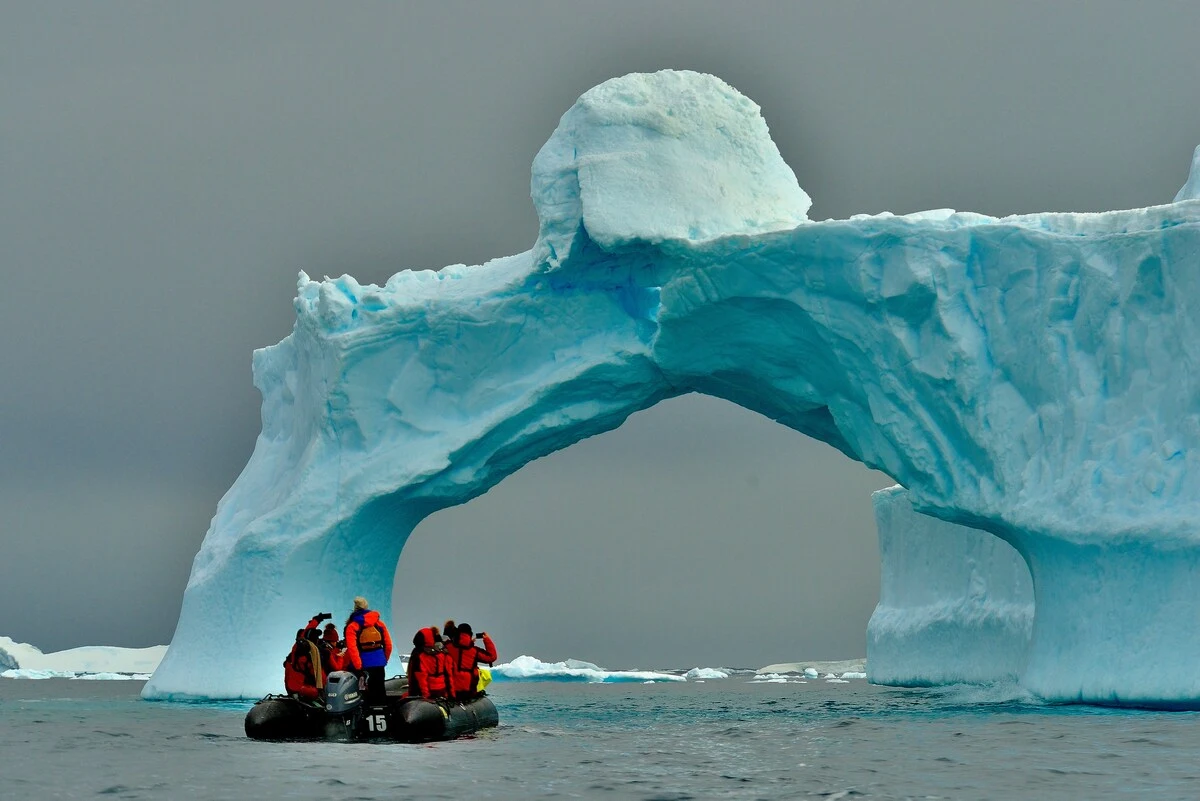
Antarctica’s icebergs are sculptural masterpieces formed by ancient glaciers. Some tower like floating cathedrals, while others shimmer in translucent shades of blue, carved by wind, waves, and time. Watching them drift silently across polar waters is one of the most mesmerising sights of the journey.
Kayaking excursions
Kayaking allows travellers to paddle silently through calm polar waters, weaving between ice formations and absorbing the immense stillness of Antarctica from the water level. This intimate experience offers a deeper connection with the surrounding wilderness.
Polar plunge
The polar plunge is a memorable expedition tradition for adventurous travellers. Participants briefly immerse themselves in the icy waters of the Southern Ocean — a quick but exhilarating dip that often becomes one of the most talked-about moments of the trip.
Shore landings
Step ashore on remote beaches and snow-dusted ridges of the Antarctic Peninsula, where expedition guides lead small-group walks among penguin colonies and dramatic glacial scenery. These carefully managed landings offer rare opportunities to experience the continent on foot while observing wildlife in its natural habitat.
Zodiac cruising
A hallmark of Antarctic expeditions, these small inflatable boats bring you remarkably close to the landscape. Glide through narrow icy channels and drift past towering icebergs, blue-glazed glaciers, and floating sea ice while guides point out wildlife such as seals resting on ice floes or penguins porpoising through the water.
When is the best time to visit Antarctica?
The Antarctic travel season runs during the austral summer, from November to March.
November marks the start of the season, when landscapes are covered in pristine snow, and penguins begin their courtship rituals. December and January bring the longest daylight hours and bustling wildlife colonies as penguin chicks hatch.
By February and March, whale sightings become more frequent as the Southern Ocean fills with feeding humpbacks and other migrating species.
Pro tip: Waterproof outer layers, insulated jackets, thermal base layers, gloves, and warm hats are essential. Sunglasses with strong UV protection are also important, as sunlight reflecting off ice and snow can be intense.