


 Mirella Pandjaitan
 Mar 04, 2026
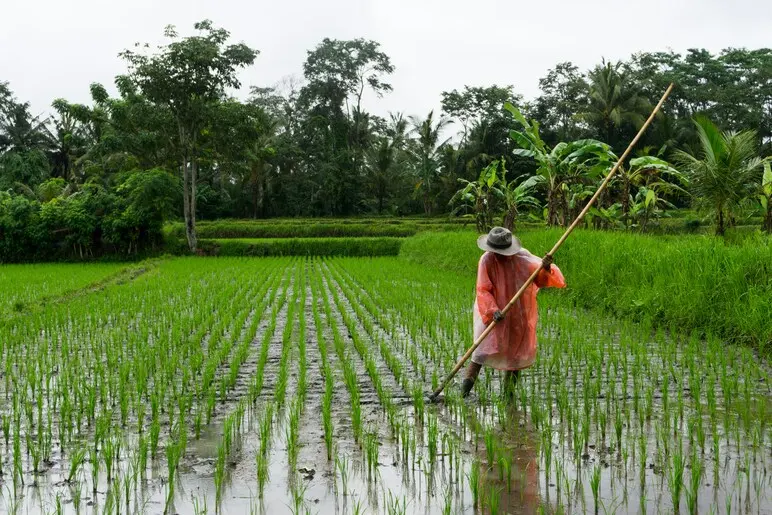
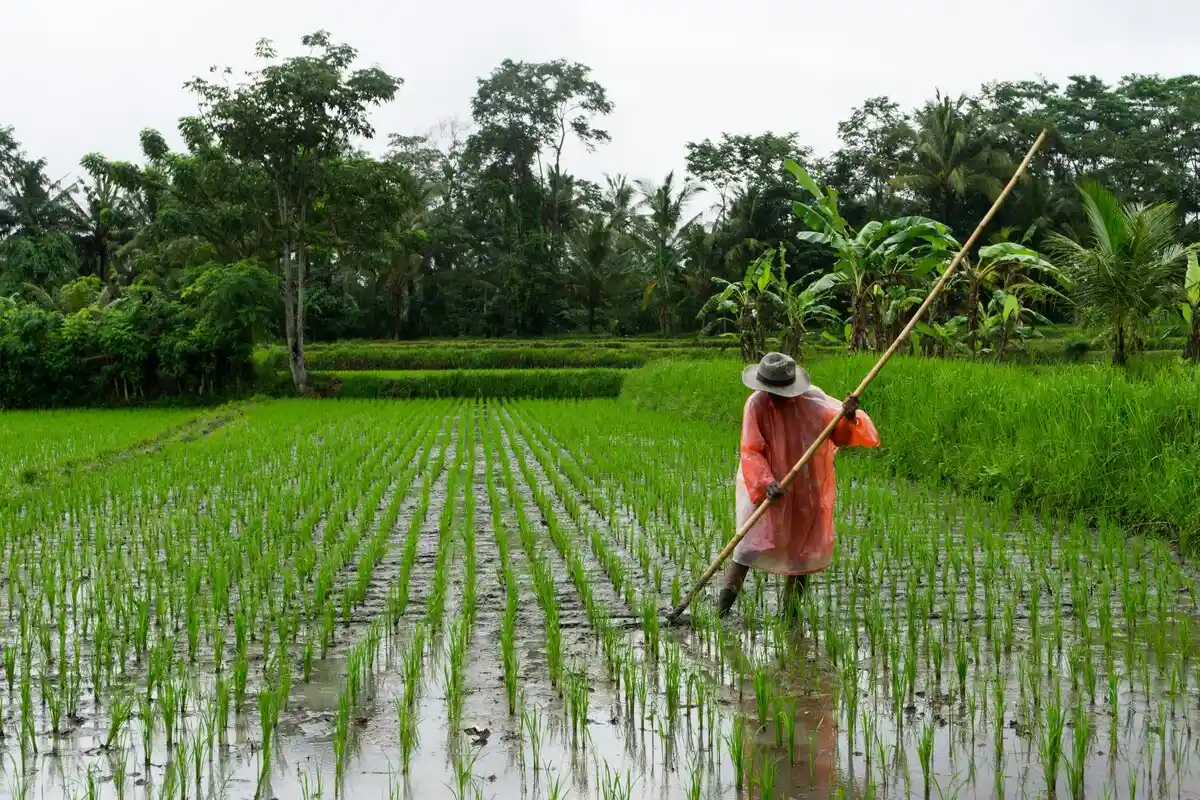
Indonesia typically settles into the cadence of the rainy season as the year closes another chapter. So long, sun-shiny days! Hello, afternoon downpours and humid evenings! Indeed, the familiar soundtrack of monsoon rain.
For expats experiencing their first holiday season in Indonesia or who have recently moved, this ambiguous shifting tempo may feel unfamiliar. Adventures now require umbrellas and sunscreen in equal measure.
The lesson is less about alarm and more about awareness: flexibility, preparation, and attentiveness have become as essential as the umbrella itself.
Let’s dive into the various facets in this rainy season 101.
When is the rainy season?
Indonesia has two primary seasons:
1. Rainy season: November to March
2. Dry season: April to October
The heaviest rainfall typically arrives between December and February, though climate patterns can shift slightly year to year (we’ll get on to that).
Unlike temperate climates, this isn’t endless grey drizzle. Expect intense tropical downpours, often in the late afternoon or evening, followed by clear skies.
The transitional season
Year by year, the pattern feels less certain. The seasons blur…
Instead of a clear shift from dry to wet, Indonesia appears suspended in the transitional season that hovers between extremes (pancaroba). These in-between periods have grown increasingly difficult to forecast, stated the Meteorology, Climatology, and Geophysics Agency (BMKG). Their duration stretches unpredictably, softening the once-reliable boundary between dry heat and heavy rainfall.
The “wet drought” phenomenon
Beyond transitional shifts, Indonesia also experiences a less intuitive climate pattern, which meteorologists describe as a “wet drought.” The term refers to significant rainfall occurring during what is climatologically the dry season. Instead of the expected stretch of arid, sun-dominated days, parts of the archipelago receive persistent rain.
It rains hard, but not all day
One of the biggest misconceptions? It rains constantly.
In reality, mornings are often bright and humid. By mid-afternoon, clouds gather. Then comes a dramatic tropical storm that’s heavy, loud, and fast, usually lasting one to three hours. Afterwards, the air feels cooler and surprisingly fresh.
Humidity is the real challenge
The rain isn’t the hardest part. The humidity is!
During the rainy season, laundry takes longer to dry, closets can develop mould, leather shoes and handbags need ventilation, and Air-conditioning or dehumidifiers become essential. Many expats invest in moisture absorbers for wardrobes and proper ventilation in bathrooms.
Mosquitoes increase
Standing water means more mosquitoes. While urban areas are generally manageable, prevention matters. Keep in mind to avoid leaving water stagnant on balconies, install window screens where possible, and use insect repellent.
Plan your outdoor errands earlier in the day, and you’ll adapt quickly.
Traffic multiplies, too
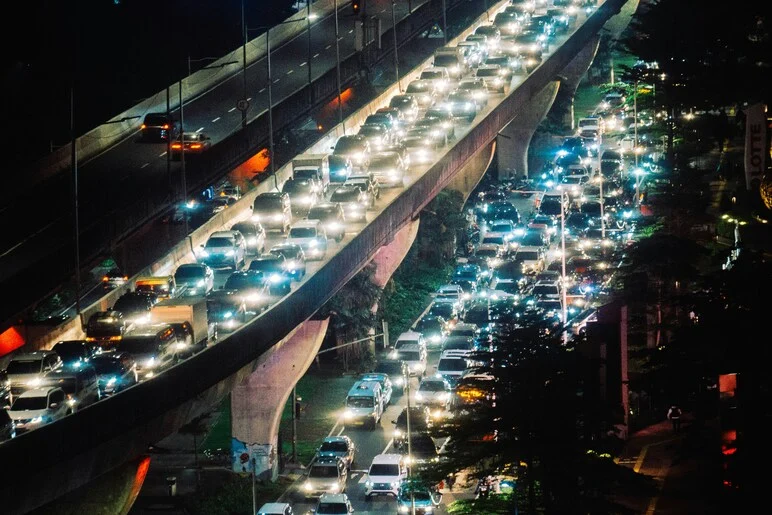
Put rain, vehicles, and limited drainage into an equation. What do you get? Slower commutes.
What might be a 30-minute drive can easily become 90 minutes during peak downpours. Many expats schedule meetings mid-morning or late morning to avoid both rush hour and storm hour. If you rely on ride-hailing apps, expect longer wait times (and even cancellations) when the rain starts.
Beware of floods
Intense rainfall, shifting climate patterns, and vulnerable environmental conditions have kept floods at the top of the country’s disaster profile. Data from the National Disaster Management Agency (BNPB) indicates that as of Tuesday, 27th January 2026, at 8 AM, Indonesia had recorded 205 disaster events since the beginning of the year, 127 of which were floods. These figures underscore that flooding remains an unresolved structural issue, requiring more comprehensive mitigation strategies nationwide.
Parts of Aceh, Lampung, western and central Java, Bali, West and East Nusa Tenggara, sections of Sulawesi, and central Papua were among the areas identified as vulnerable. Authorities have advised vigilance: thunderstorms, flash floods, and landslides remain possible in high-risk zones.
The impact extends beyond damage to infrastructure and residential areas — it also disrupts economic activity and daily life. A foreigner, believed to be a woman, was suspected of having been swept away by floodwaters in Bali. Her motorcycle was found lodged between a bridge wall and debris carried by the strong current.
Flooding can be a genuine issue in Jakarta’s low-lying areas, particularly in older neighbourhoods or near rivers. Traffic becomes significantly worse during heavy rainfall.
Before renting:
- Ask directly about flood history.
- Check whether the building has proper drainage.
- Consider higher floors in apartment towers.
Whereas in Bali, flooding is more localised but can affect smaller roads, especially around rice fields.
Habits for an optimal immune system

Viruses and bacteria tend to thrive more easily during the rainy season. Moreover, humid weather and fluctuating temperatures can weaken the immune system. Strengthening immunity becomes a key priority to ensure daily activities continue uninterrupted.
The environmental impact is only part of the challenge. The human body must also work harder to adapt to fluctuating weather conditions between intense heat and sudden rain, which challenge the immune system, especially when daily routines remain unchanged. Many people report falling ill more easily, experiencing symptoms such as fever, coughs, colds, and upper respiratory tract infections.
Beyond respiratory illnesses, the risk of vector-borne diseases also increases. Standing water following heavy rainfall provides breeding grounds for mosquitoes, raising the likelihood of dengue fever and chikungunya outbreaks.
Simple habits, when applied consistently, can bring forth meaningful protection:
- Avoiding direct contact with the face since flu viruses commonly enter the body through the eyes, nose, and mouth, making the use of tissues or handkerchiefs particularly important.
- Exercising regularly.
- Maintaining a balanced diet rich in vitamins and minerals that meets daily nutritional needs will boost the reinforcement of the body’s natural defences against illness.
- Staying adequately hydrated.
- Washing hands regularly with soap can significantly reduce the risk of viral and bacterial infections acquired through daily contact.
Favourite rainy-season destinations in Indonesia
While the rainy season is normally seen as a barrier to travel, think again! Several experiences are uniquely enhanced by rainfall. So, why should you travel during the rainy season?
The key lies in destination selection. The “slow travel” movement continues to gain momentum, with travellers prioritising indoor comfort, spa experiences, and cultural exploration. Build flexibility into your travel itinerary. Domestic flights can be delayed due to storms, and boat transfers between islands may be cancelled in rough weather. Always allow buffer time.
The right preparation reveals a softer, greener, and more intimate side of travel in Indonesia.
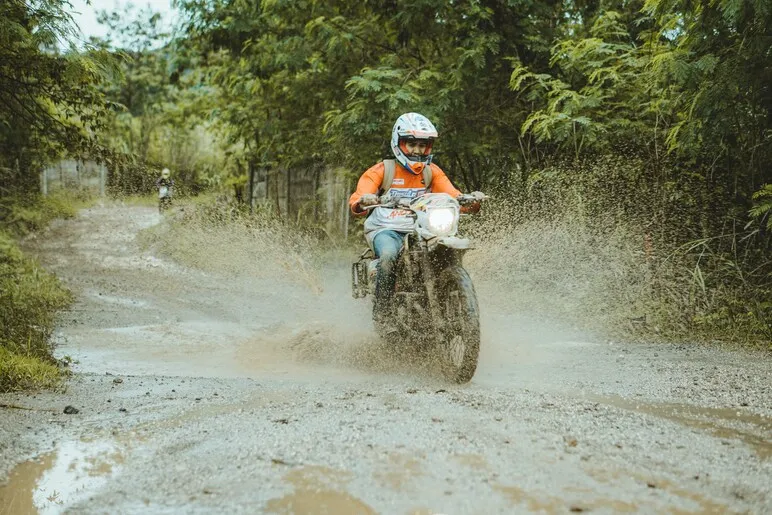
Bali
Although synonymous with beaches, Bali remains the top overall destination, as the focus shifts to Ubud, where tropical rains transform rice terraces and forests into colourful shades of green. Yoga retreats, world-class spas, boutique cafés, and art galleries define a more contemplative side of the island.
Bandung
Bandung continues to attract travellers with its blend of colonial architecture, fashion retail, and culinary appeal. Misty conditions in Lembang and Dago Pakar enhance the charm of the city. Comfort foods like batagor, seblak, and cuanki become especially inviting in cooler weather.
Bogor
Known as the “City of Rain”, Bogor naturally thrives during the wet season. The Bogor Botanical Gardens appear exceptionally lush after rainfall, while many visitors retreat to villas in Puncak to relax with freshly brewed local tea overlooking plantation views.
Malang and Batu
The cool mountain air feels even fresher after rainfall. Batu, in particular, stands out for its international-standard indoor attractions, including Angkut Museum, Brawijaya Museum, and Mpu Purwa Museum.
Yogyakarta
During rainfall, the city takes on a nostalgic, slower rhythm. You can explore the grandeur of the Keraton Yogyakarta or experience the atmospheric charm of Ullen Sentalu Museum in misty Kaliurang. Enjoying Kopi Joss or traditional wedang ronde becomes especially comforting as temperatures drop.
Rainy-season travel essentials:
- Compact umbrella or stylish raincoat
- Dry bag or protective pouch for gadgets
- Power bank in case of weather-related outages
- Warm layers such as sweaters or cardigans
- Waterproof footwear with non-slip soles