


 Mirella Pandjaitan
 Dec 08, 2025
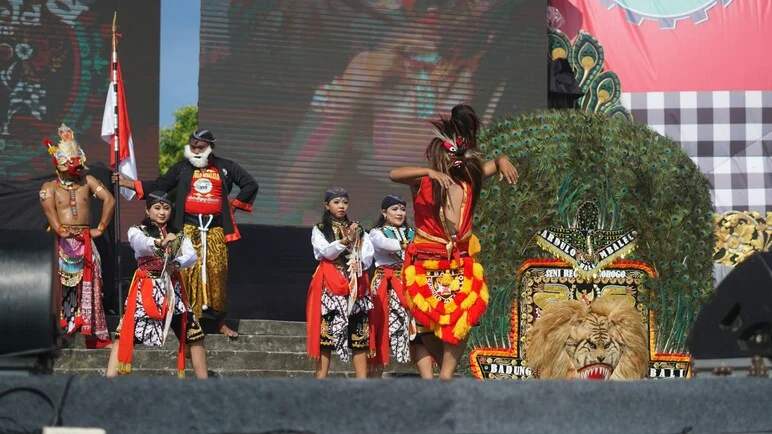
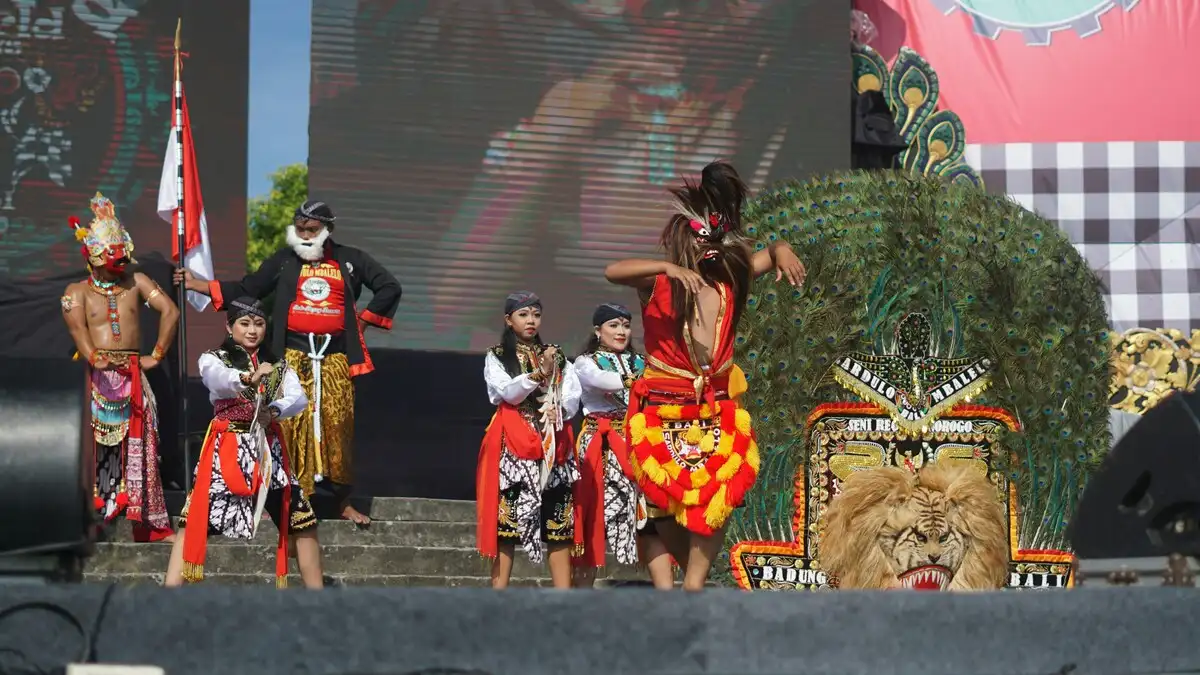
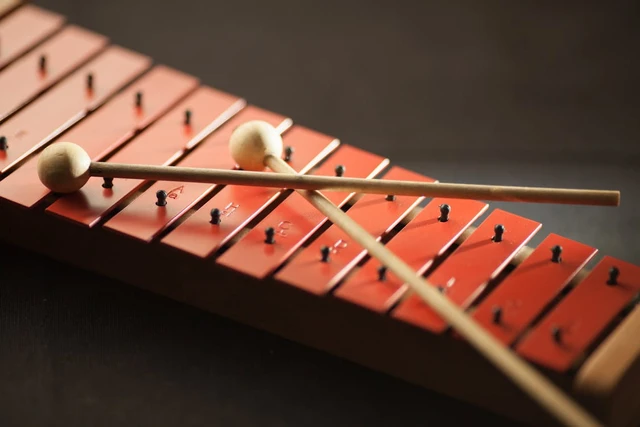
Reog Ponorogo and Kolintang have now been officially inscribed into Indonesia’s roster of Intangible Cultural Heritage recognised by UNESCO. The announcement came as Indonesia received the official Intangible Cultural Heritage (ICH) certificates at the National Museum.
Endah Tjahjani Dwirini Retnoastuti, Director General of Diplomacy, Promotion, and Cultural Cooperation at the Ministry of Culture, called the recognition a profoundly meaningful milestone for the nation.
“Being included on UNESCO’s list is not the final chapter—it is, in fact, the beginning of a far greater responsibility: to preserve, to cultivate, and to ensure these traditions continue to serve our society,” said Retnoastuti. “The certificates presented today are more than mere acknowledgements—they are an international mandate, a national commitment, a reminder that we are collectively entrusted with safeguarding traditions passed down across centuries.”
The Ministry of Foreign Affairs handed over the Intangible Cultural Heritage certificates to the Ministry of Culture. The original documents were entrusted to the National Archives of the Republic of Indonesia (ANRI), while certified copies were shared with several local governments and cultural communities.
“To our regional leaders, both provincial and municipal, these copies are entrusted as a symbol of responsibility—affirming that local governments serve as the primary guardians in the protection and development of cultural heritage,” she continued.
The state will remain fully present and supportive to ensure the continuity of Indonesia’s cultural heritage. Preservation, across all dimensions, remains a central commitment in protecting the nation’s traditions.
With the addition of Kolintang and Reog Ponorogo, Indonesia now holds 16 UNESCO-recognised Intangible Cultural Heritage elements, including wayang, keris, angklung, saman dance, three genres of Balinese traditional dance, pantun, gamelan, kolintang, and Reog Ponorogo—alongside batik, batik education and training programs, noken, the pinisi boat tradition, pencak silat, jamu, and kebaya.