


 Mirella Pandjaitan
 Apr 27, 2026
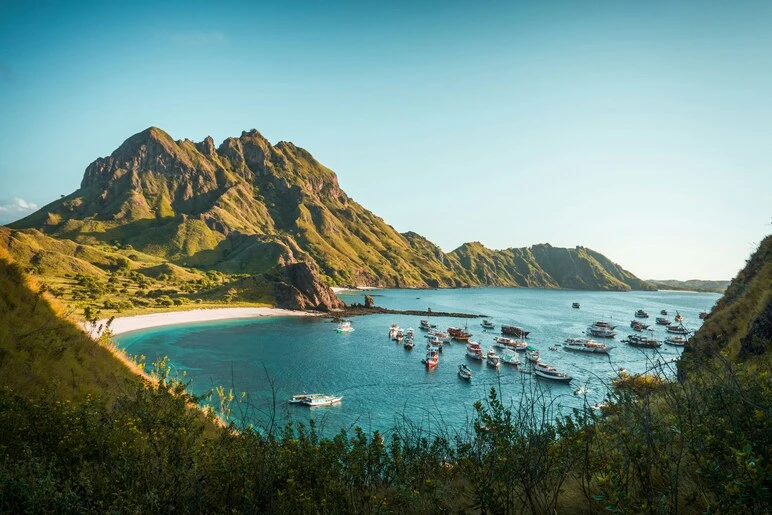
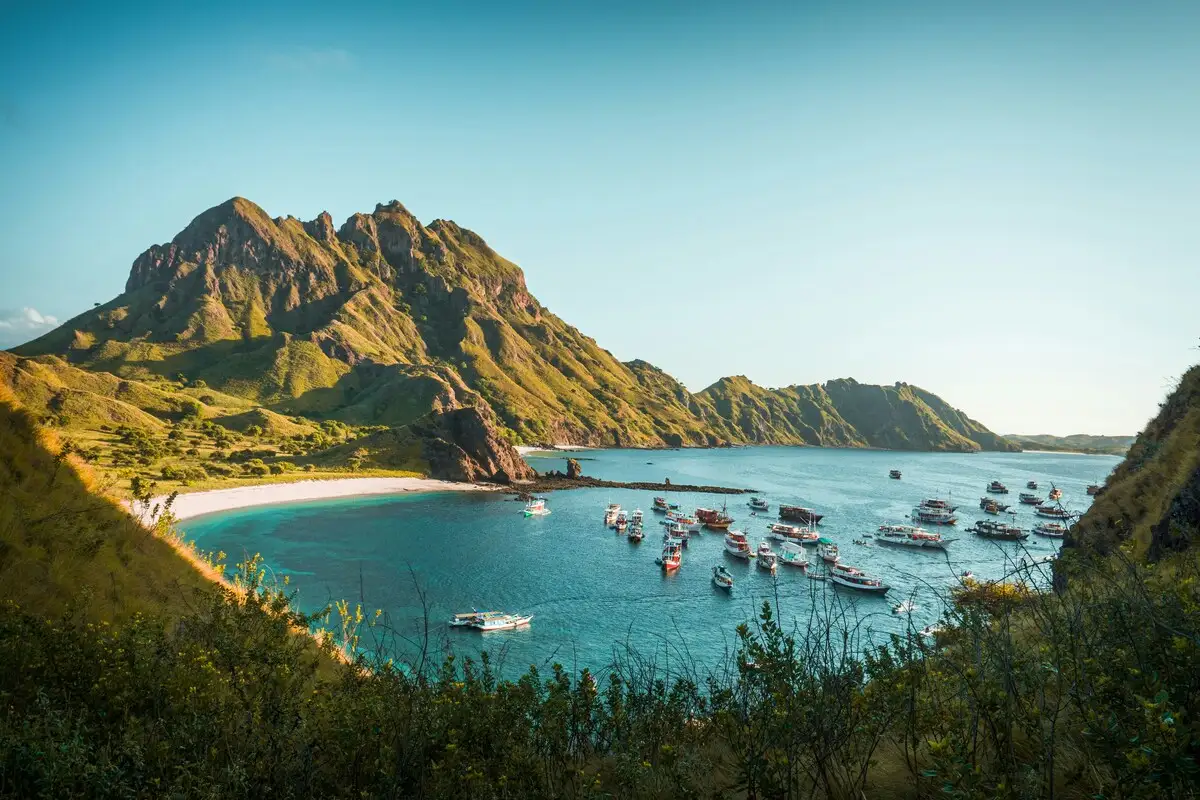
Indonesia’s Komodo National Park Authority has started to limit tourist arrivals from April 2026, marking a decisive step toward preserving one of the country’s most iconic natural landscapes. Under the new policy, annual visits to Komodo National Park will be limited to 365,000, or equivalent to approximately 1,000 visitors per day.
According to the Komodo National Park Authority Head, Hendrikus Rani Siga, the move aligns with international conservation standards and national regulations aimed at safeguarding ecosystems increasingly strained by tourism.
“Global conservation standards guide our approach by bringing together design, management, and monitoring methods to ensure sustainable impact,” he explained.
The policy also draws from international species threat assessment systems, alongside Indonesia’s Law No. 5 of 1990 on the Conservation of Biological Resources and Ecosystems. To maintain flexibility, any unused daily quotas may be redistributed to peak travel periods, such as national holidays and long weekends.
A surge in visitors
Visitor numbers have risen sharply in recent years. Data from BTNK shows arrivals climbing from 65,362 in 2021 to 170,077 in 2022, then surging to 300,488 in 2023, 333,846 in 2024, and reaching 429,509 in 2025.
These figures significantly exceed the park’s ecological carrying capacity, established through a joint study by the Pusat Pengendalian Pembangunan Ekoregion Bali Nusra and the World Wide Fund for Nature in 2018. The research concluded that the park can sustainably accommodate around 366,108 visitors annually.
A more granular breakdown suggests that Komodo Island can host 187,245 visitors per year, South Padar Island 17,885, and the Loh Buaya area approximately 44,165 annually.
A necessary reset for sustainability
Hendrikus emphasised that the quota is essential to protect an ecosystem under mounting pressure from rising tourist activity. Similar measures have been introduced across Indonesia, including daily hiking limits at Mount Gede Pangrango National Park and controlled access systems in destinations such as Mount Bromo and regions of Papua.
“All of these measures serve the same purpose: to give ecosystems the time and space they need to recover,” he noted.
Ahead of its full rollout, the policy was socialised among tourism stakeholders between October and December 2025, followed by a trial phase from January to March 2026. “Without a maximum limit, visitor numbers to Labuan Bajo would continue to rise unchecked,” he added.
As Indonesia recalibrates its approach to tourism, this move signals a broader shift toward sustainability where preservation takes precedence over volume, and access is thoughtfully redefined.