


 Mirella Pandjaitan
 Mar 09, 2026
Few holiday rituals anywhere in the world match the scale and emotion of mudik, Indonesia’s annual homecoming during Eid al-Fitr. Every year, millions of Indonesians leave major cities to return to their hometowns, reconnecting with family and rediscovering the places where they grew up.
Today, the word mudik is firmly embedded in the Indonesian language. Yet linguistically, it didn't begin as a standard Indonesian term. The word evolved through a morphological process from the regional word udik, which traditionally refers to villages or rural areas. Over time, mudik came to signify the act of returning from the city to one’s hometown.
How a simple homecoming turned into a national tradition
The mudik phenomenon began gaining widespread recognition in the 1970s, when Jakarta emerged as Indonesia’s largest economic centre. At the time, many people from across the archipelago migrated to the capital in search of work and better opportunities.
They found employment in government institutions, private companies, industrial sectors, and trade. When the long Eid holiday arrived, these migrant workers would return to their hometowns to celebrate with family — a movement that gradually became known as mudik.
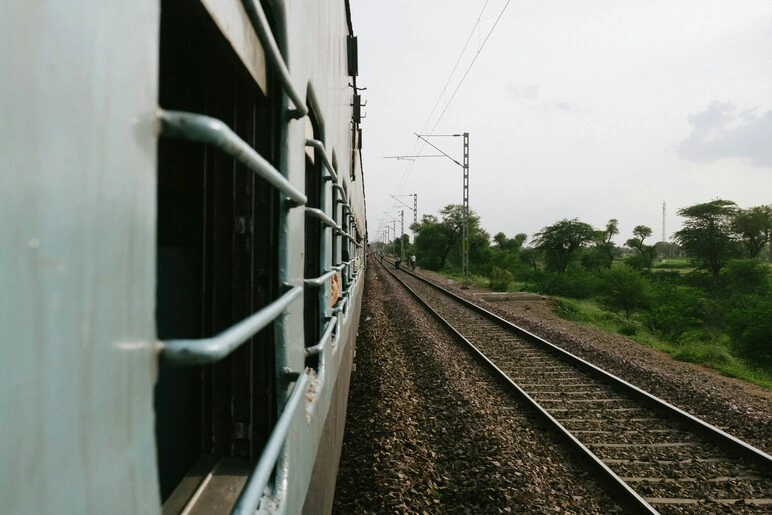
By the 1980s and 1990s, the Indonesian government began to recognise the significance of the annual homecoming. Infrastructure and transportation systems were gradually expanded to accommodate the growing number of travellers. Land transportation, such as buses, trains, and private vehicles, became the primary means for people making the journey home.
Over time, air and sea routes also became increasingly common options for travellers crossing Indonesia’s vast archipelago.
Entering the 2000s, traffic congestion emerged as one of the biggest challenges during the mudik period. In response, the government began investing heavily in new toll roads, improving public transportation networks, and introducing free transportation programmes for lower-income travellers.
Mudik continues to evolve nowadays, yet it remains an inseparable part of Indonesia’s cultural identity.
A celebration rooted in reunion
Say the word “mudik” to any Indonesian, and it immediately evokes images of crowded highways, packed trains, and airports filled with travellers heading home for Eid in their heads. The scale and excitement surrounding this homecoming tradition are uniquely Indonesian, especially for those living away from home.
Indonesia is known for granting one of the longest Eid holiday periods among Muslim-majority countries. The extended break allows millions of workers and students to return home. Therefore, mudik has evolved into more than just a cultural tradition, as well as widely considered the largest annual migration in the world. Indeed, Indonesia isn’t the only country where people return home for major celebrations. In China, for instance, millions travel back to their hometowns during the Lunar New Year for family reunions and shared festivities.
More than a journey home
Mudik carries deeper cultural and social significance. Beyond the logistics and scale, mudik reflects the enduring importance of family ties, forgiveness, and reunion during one of the most meaningful moments in the Islamic calendar.
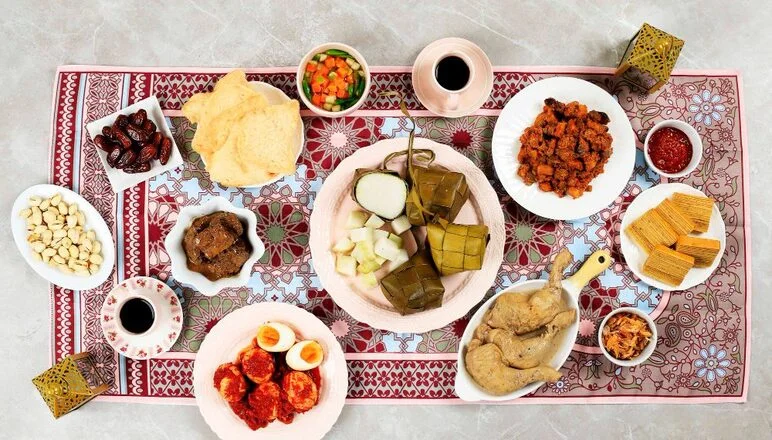
Mudik is that time and space where families separated by distance have the chance to gather, share meals, and celebrate Eid al-Fitr together. Mudik is subconsciously that chance for younger generations to get in touch with their roots. Mudik can also be viewed as a moment of rest and renewal. The journey home grants a pause from the rhythm of urban life. The slower pace of small cities and village environments allows many travellers to recharge before returning to work in the city.
Nevertheless, mudik carries an economic impact as well. When city residents return to their hometowns, they bring spending power with them — shopping locally, sharing resources with relatives, and mostly travelling around nearby areas.
In many ways, mudik reflects the deeper spirit of Eid itself — reconnection, generosity, and the enduring pull of home.