

 Billy Bagus
 Jan 05, 2026
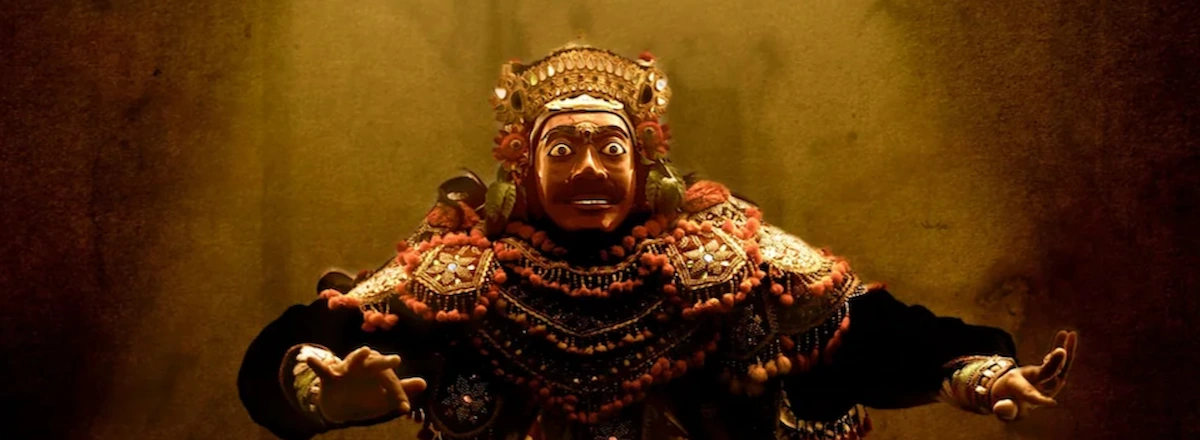
Bali has long fascinated the world with its layered spirituality, living traditions, and ritual-driven arts. Among its most compelling cultural expressions is Tari Topeng. More than visual spectacle, it is a living archive of Balinese values and collective memory. Read on to uncover the stories, meanings, and craftsmanship that make Tari Topeng one of Bali’s most enduring cultural treasures.
More than a mere visual spectacle, it is a living archive of Balinese values and collective memory.
A Refined Ancient Entertainment
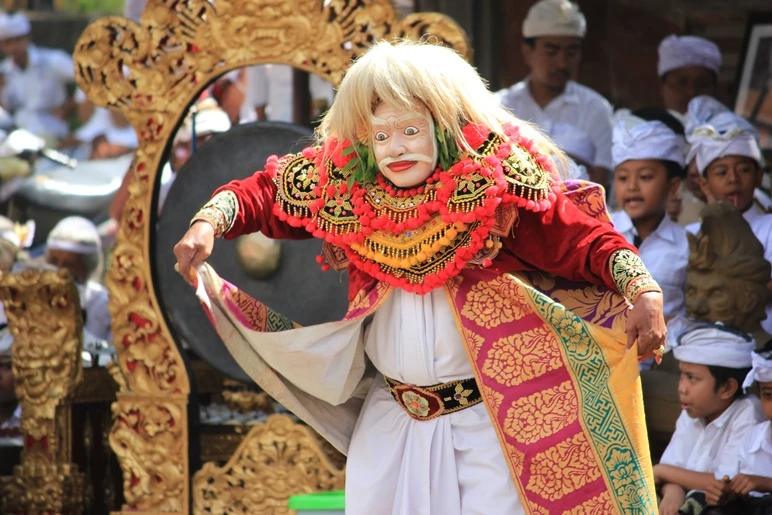
The origins of Tari Topeng stretch back to Bali’s pre-Hindu era, when animistic and dynamistic beliefs shaped ritual life across the archipelago. Masks were believed to hold spiritual power, acting as vessels that bridged the human realm with ancestral spirits and deities. When Hinduism later took root in Bali, these early traditions merged seamlessly with epic narratives such as the Ramayana and Mahabharata, enriching Tari Topeng with layered mythological depth.
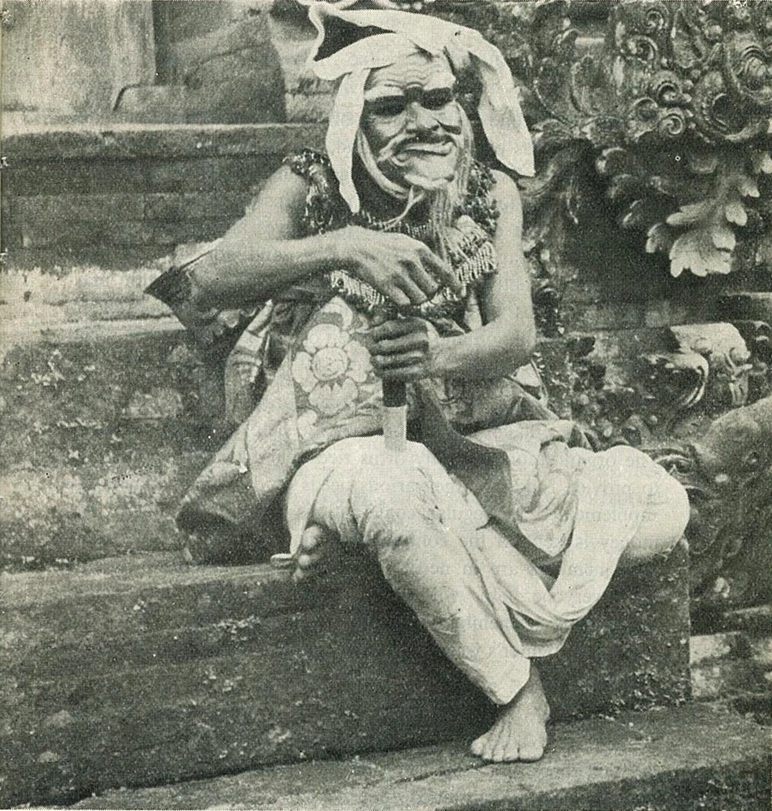
Historically, Tari Topeng evolved alongside Balinese society itself. In royal courts, it functioned as refined entertainment and moral instruction for kings and nobles. In villages, it became a communal art form, accessible to ordinary people and performed during temple festivals and life-cycle ceremonies. This dual role, sacred and social, remains central to the dance today.
The ‘Behind the Mask‘ Philosophy
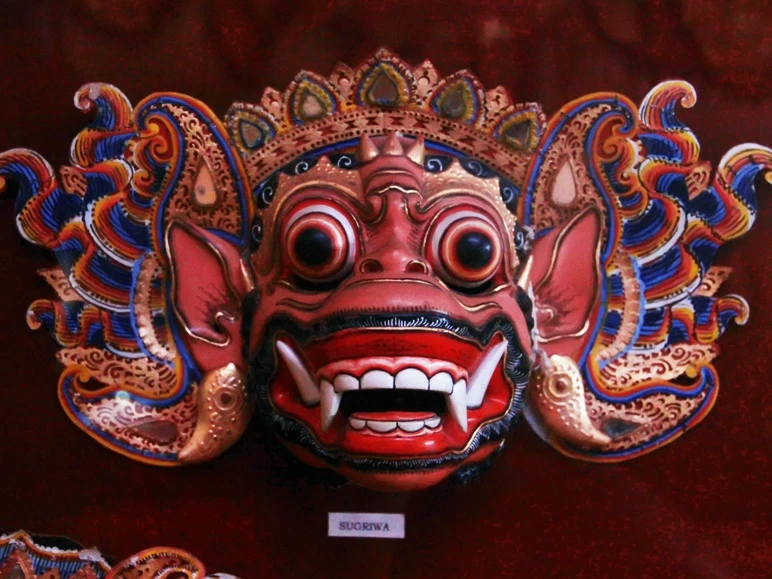
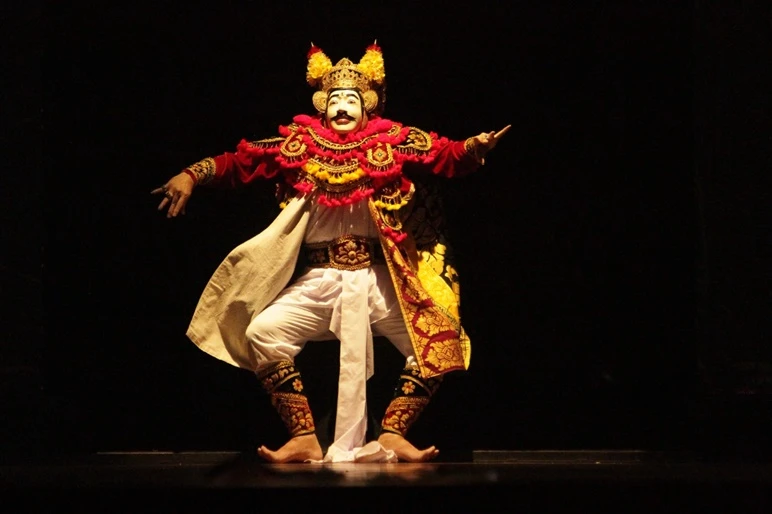
In Balinese culture, a topeng is never a mere prop. Each mask embodies a specific character, social role, or spiritual quality. When a dancer dons a mask, they surrender personal identity to become a conduit for that character’s essence. Some masks represent noble figures such as kings or heroes, while others portray warriors, elders, or common villagers. There are also sacred masks linked directly to ritual functions, most notably Topeng Sidakarya, symbolizing humility, balance, and spiritual completion. Through expressive gestures, controlled footwork, and subtle shifts in posture, dancers communicate complex philosophical ideas, including the eternal tension between good and evil and humanity’s pursuit of inner harmony.
Sacred-Secular: The Defining Categories
Tari Topeng is broadly classified into three functional categories. Topeng Wali is the most sacred form, performed exclusively during temple rituals and believed to be spiritually potent. Topeng Bebali serves as an intermediary, often presented at the opening of ceremonial events. Topeng Bali-balihan is secular in nature, staged for public entertainment and cultural showcases. There are also distinct performance formats. Topeng Pajegan features a single dancer portraying multiple characters by switching masks, demonstrating exceptional mastery. Topeng Prembon blends masked and unmasked roles, combining dramatic storytelling with humor and social commentary.
Music That Breathes Life
No Tari Topeng performance stands alone without its musical counterpart. The dance is accompanied by Balinese gamelan, an ensemble of bronze percussion instruments that dictate tempo, mood, and dramatic tension. Kendang drums guide the dancer’s movements, while gongs and metallophones punctuate narrative shifts. Rebab and suling add lyrical depth, lending emotional nuance to scenes of reflection or conflict. This dynamic relationship between movement and sound creates a fully immersive experience, where rhythm and gesture speak as eloquently as dialogue.
The Proportional Architecture
Behind every mask lies extraordinary craftsmanship. Traditional Balinese masks are carved by skilled artisans using sacred woods such as pule or kenanga. The carving process follows strict aesthetic conventions, ensuring that facial proportions, eye shapes, and colors align with the character’s moral and social attributes. Before use in sacred performances, certain masks undergo ritual consecration, reinforcing their spiritual significance. This fusion of artistry and ritual underscores how deeply Tari Topeng is embedded in Balinese cosmology.
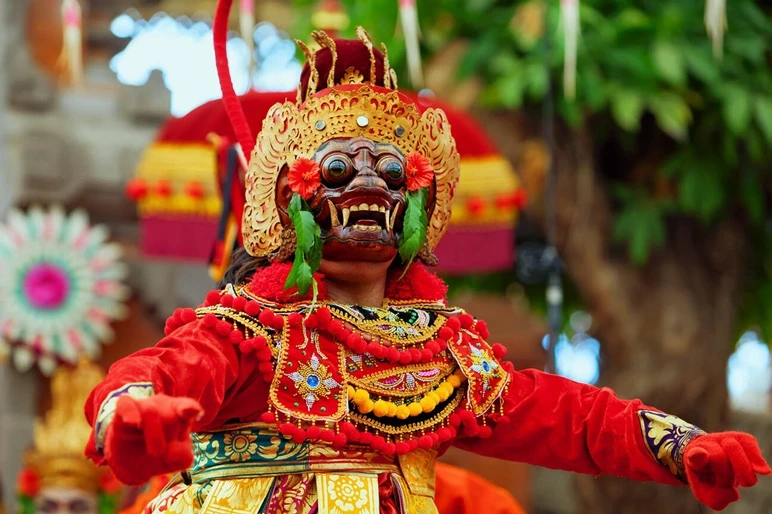
Today, Tari Topeng continues to thrive across Bali, from temple courtyards to cultural stages. It plays a vital role in religious ceremonies such as Odalan, royal commemorations, and community festivals. At the same time, it has found new audiences through curated performances that introduce visitors to Bali’s intangible heritage without stripping it of meaning. Tari Topeng endures because it adapts while remaining anchored in tradition. It preserves history, teaches ethics, and reflects social structures, all through the silent language of movement and mask.