


 Billy Bagus
 Jan 13, 2026
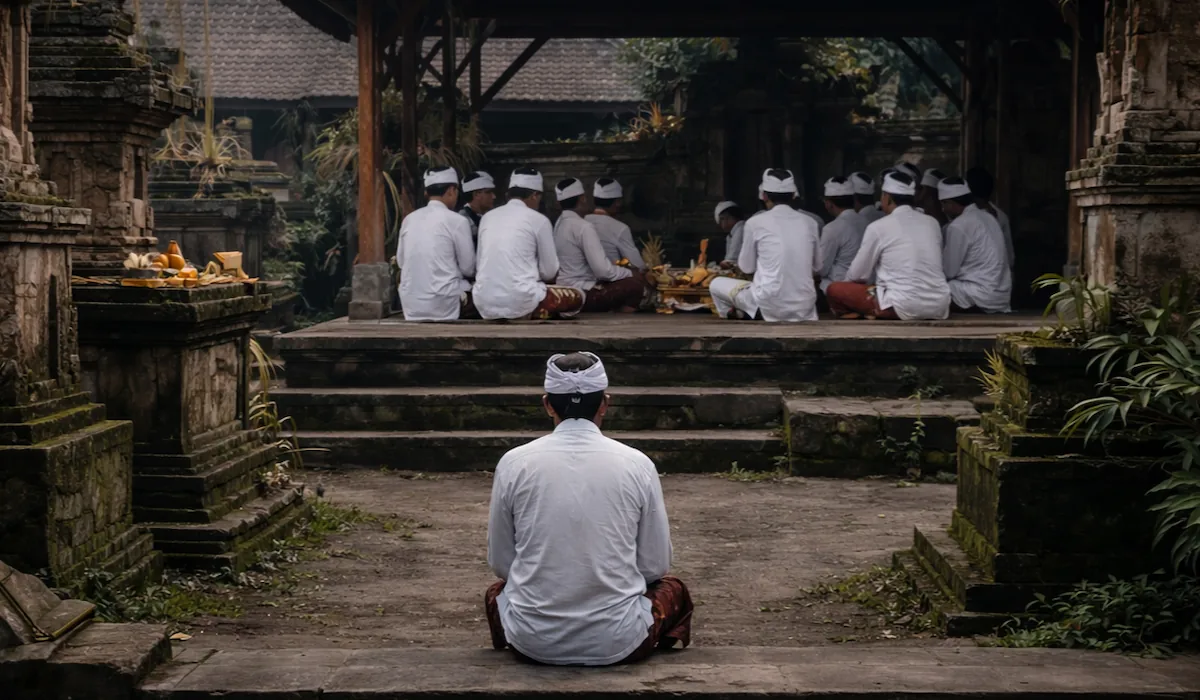
In Bali, community is not simply social. It is spiritual, architectural, and ancestral. To belong is to be woven into ritual calendars, temple courtyards, and the steady rhythm of the kulkul drum. When that rhythm stops calling a name, the silence carries weight. This is the world of kasepekang, one of Bali’s most controversial and misunderstood customary sanctions. Read on to uncover how this ancient practice works, where it comes from, and why it continues to provoke debate in modern Indonesia.
In Bali, law lives not only in texts but in temples, drums, and shared silence. Understanding kasepekang means listening closely to all three.
A Social Sanction Rooted in Sacred Geography
Kasepekang is a sanction under Balinese customary law that temporarily suspends a person or family from their status as krama desa, members of a traditional village community. Unlike criminal punishment under state law, kasepekang does not involve prisons or fines alone. It removes something more fundamental. Participation.
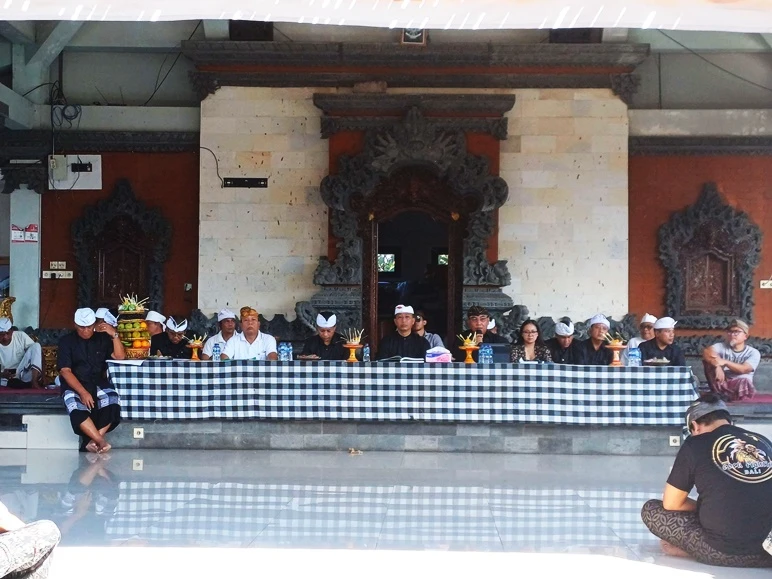
Balinese villages are not only residential spaces. They are ritual ecosystems organized around temples, meeting halls, and setra, the communal cemetery. Life events from birth ceremonies to cremations are collective acts. Kasepekang disrupts that collective bond by cutting off communal assistance, known as panyanggran, and by excluding the sanctioned party from the sound of the kulkul, the slit drum that summons villagers for rituals, emergencies, and gatherings. In a society where spiritual duty and social belonging overlap, this silence can feel total.
Historical Foundations in Awig-Awig
The authority for kasepekang comes from awig-awig, the written customary laws of each desa pakraman, now often called desa adat. These rules evolved over generations through consensus and precedent, reflecting what legal scholars describe as a sense of propriety shaped by lived experience rather than rigid doctrine.
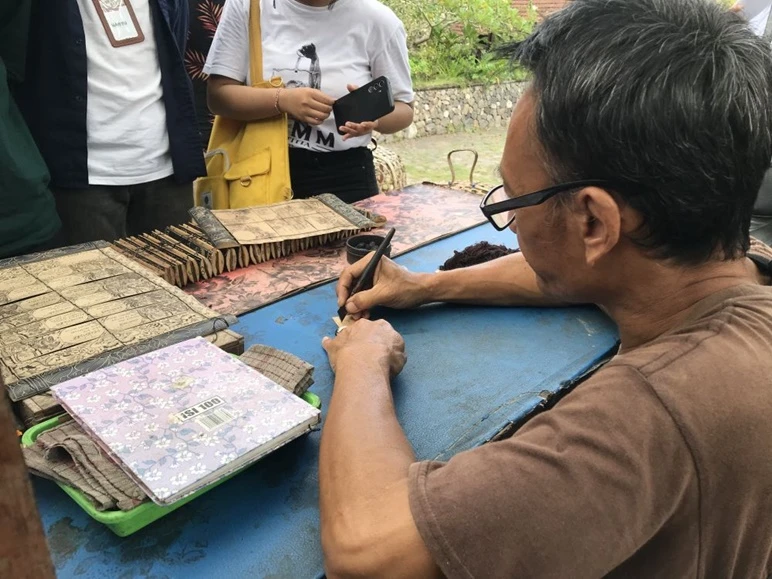
According to the 2010 Pasamuhan Agung III decision of the Majelis Desa Pakraman Bali, kasepekang is not meant to be imposed lightly. It is a last resort after warnings, mediation by village leaders, and material sanctions have failed. The stated purpose is not revenge but the restoration of balance within the community. Historically, this reflects a broader principle in Balinese customary law. Sanctions exist to heal social fractures, not to punish in the modern retributive sense.
What Kasepekang Does and Does Not Do
During the period of kasepekang, which may last no longer than three formal village meetings reviewing the case, the sanctioned person loses the right to communal support in ceremonies of joy, death, religious observance, and disaster. Yet important limits exist. Even while kasepekang is in effect, individuals retain the right to use the village cemetery for burial or cremation, though without communal assistance. They may also access temples and other village facilities with the knowledge and permission of village authorities.
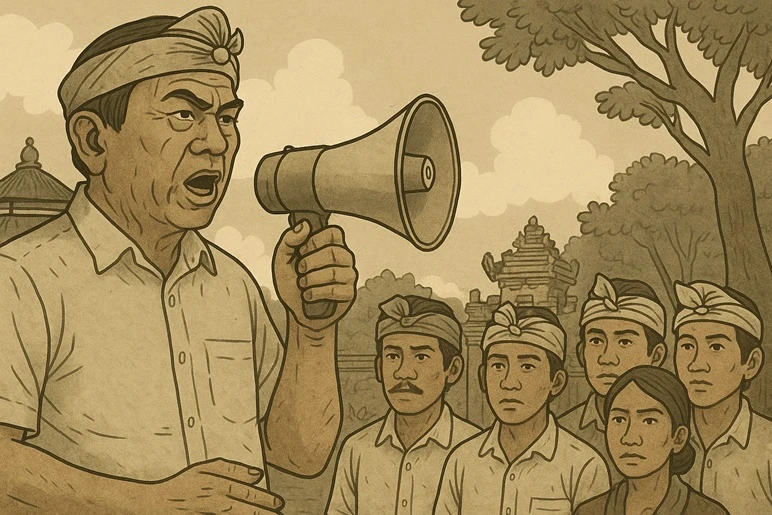
These boundaries are crucial and are often ignored in public controversies. Permanent expulsion, known as kanorayang, is prohibited unless all prior stages have failed. Even then, reintegration remains possible through established rituals and obligations.
Architecture of Belonging and Exclusion
The force of kasepekang cannot be separated from the way Balinese villages are designed. Traditional settlements follow a cosmological order, aligning temples with mountains and sea, arranging homes around shared courtyards, and carving pathways meant for ritual movement. Space is not neutral. It is sacred, social, and communal. When someone is excluded from communal rites, they are also cut off from these living spaces. Ceremonial courtyards fall silent. Processional paths become inaccessible. What is lost is not only participation, but daily meaning itself.

For this reason, kasepekang is often described as a form of social death. In a culture where identity is inseparable from ancestral villages, exclusion carries both social and spiritual consequences that extend beyond the individual and into lineage and memory.
Modern Controversy and Human Rights Debate
In recent decades, the application of kasepekang has increasingly come under scrutiny. Critics argue that its use has at times drifted away from its original purpose of restoring balance within the community. Decisions shaped by emotion, personal conflict, or procedural shortcuts have transformed what was meant to be a corrective measure into a source of new harm.

Concerns have also emerged around human rights and legal proportionality. While the sanction itself is rooted in long-standing tradition, its misuse has prompted restrictions and calls for reform. The central issue is not the existence of kasepekang, but how it is applied, and whether it continues to reflect the principles of harmony, propriety, and compatibility that underpin Balinese customary law.
Kasepekang remains part of Bali’s legal and cultural memory, elastic and evolving like the society that shaped it. Its future depends less on the rule itself than on the wisdom of those who apply it.