

 Billy Bagus
 Jan 20, 2026
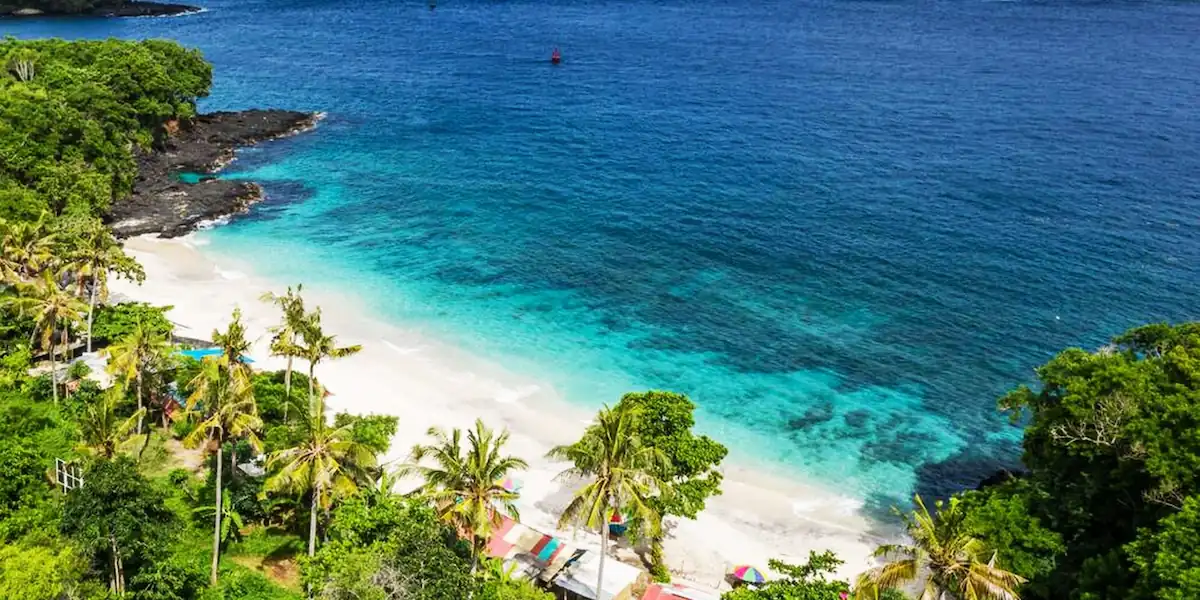
Hidden just beyond the rhythm of ferries and fishing boats in Padangbai, Bias Tugel Beach reveals a quieter, more contemplative face of Bali. Often called White Sand Beach, this secluded shoreline in Karangasem rewards curiosity with pristine scenery, cultural context, and a sense of discovery that feels increasingly rare on the Island of the Gods. Read on to uncover why Bias Tugel Beach remains one of Bali’s most compelling coastal secrets.
Read on to uncover why Bias Tugel Beach remains one of Bali’s most compelling coastal secrets.
Landscape and Language
The story of Bias Tugel begins with its name. In Balinese, 'bias' means sand and 'tugel' means cut or separated. The name describes the geography precisely. This is a short stretch of beach, roughly 200 meters long, seemingly sliced between two imposing limestone outcrops. Unlike Bali’s expansive western beaches, Bias Tugel feels intentionally framed by nature, intimate and contained.
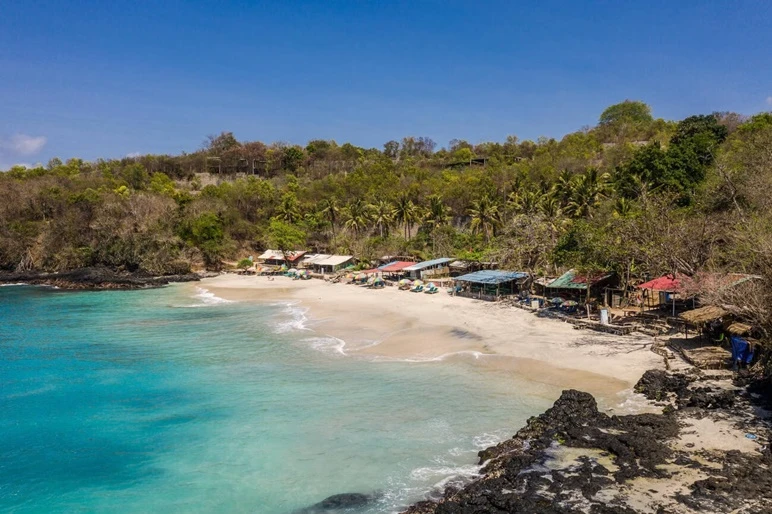
The beach is managed by the local Padangbai community, reflecting a long-standing Balinese tradition of communal stewardship. Small entrance and cleaning fees contribute directly to maintenance and environmental care, preserving the beach’s understated character.
Ancient Maritime Gateway
Bias Tugel Beach lies in Padangbai Village, Manggis District, Karangasem Regency. Padangbai has long served as an eastern maritime gateway of Bali, linking the island to Lombok and the Gili Islands. The proximity to Padangbai Port gives this pristine beach an unusual duality. It is close to movement and trade, yet visually and acoustically secluded.
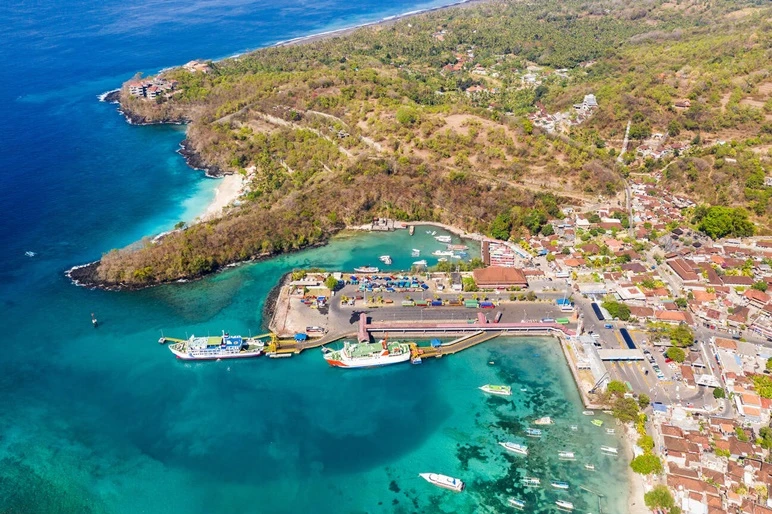
From Ngurah Rai International Airport, the journey spans approximately 57 kilometers and takes around one and a half hours by car. From Denpasar, the drive is slightly shorter at around 44 kilometers.
A Journey on Foot That Shapes the Experience
Reaching Bias Tugel is part of its allure. After parking near the access path, visitors walk for about ten minutes before descending a steep staircase that leads to the beach. The steps are uneven and rocky in places, demanding attention and a bit of stamina. Along the way, glimpses of white sand, turquoise water, and passing ferries appear like fragments of a living painting. This deliberate physical approach acts as a natural filter. Those who arrive tend to slow down, observe more carefully, and engage more deeply with the landscape.
White Sand, Clear Water, and a Natural Water Blow
Bias Tugel is often described as having some of the whitest sand in Bali. The contrast between the pale shoreline and the clear blue water is striking, especially under midday sun. On the left side of the beach lies a small natural lagoon, sheltered and calm during low tide. Visitors often wade or soak here, though caution is advised when the tide rises.
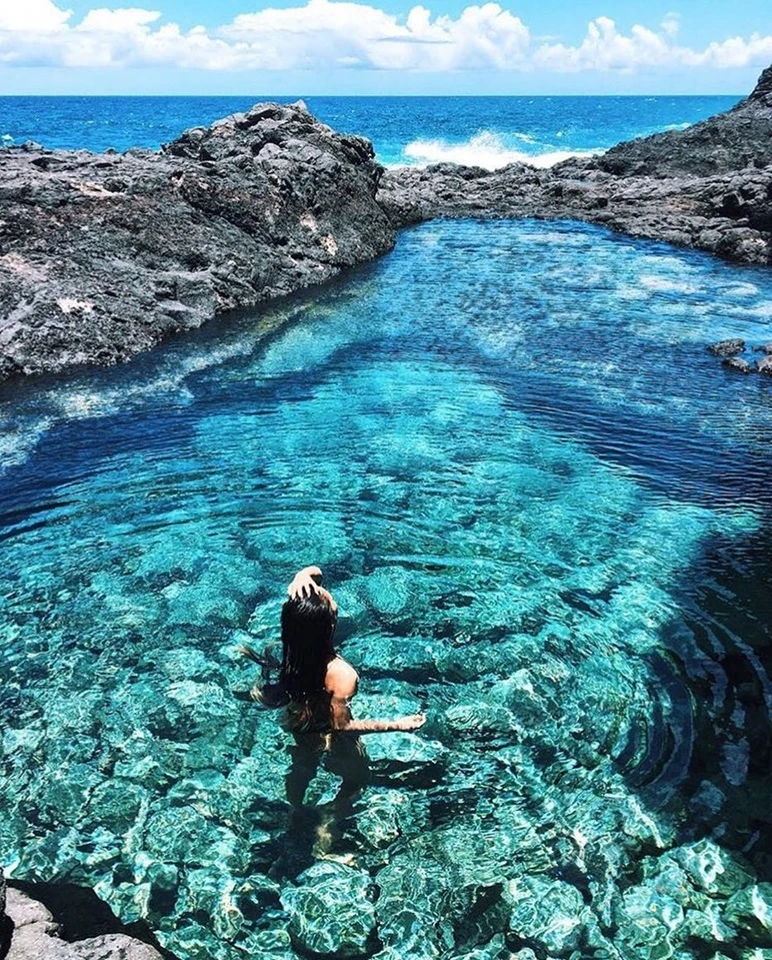
To the right, waves crash against exposed rock formations, creating a water blow phenomenon. Jets of seawater burst upward as waves collide with the cliffs, forming brief natural fountains that are as dramatic as they are unpredictable.
Underwater Life and Gentle Adventure
Thanks to its clarity and relatively calm waves, Bias Tugel is well suited for snorkeling. Coral formations and tropical fish are visible close to shore, and simple snorkeling gear can be rented from local stalls. Swimming, light surfing, and sunbathing remain popular, particularly due to the beach’s uncrowded atmosphere.
Simple Facilities, Authentic Atmosphere
There are no resorts or large restaurants here. Instead, small bamboo warungs line the edge of the beach, offering instant noodles, young coconut, and cold drinks. Some stalls also sell Balinese textiles, priced modestly and ideal as souvenirs.
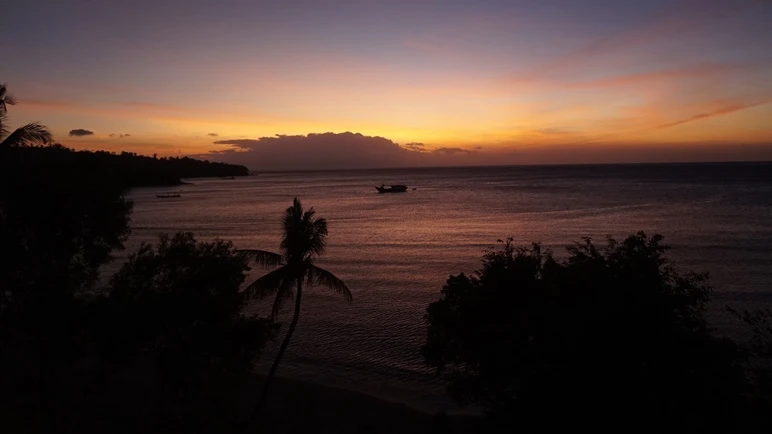
Rather about spectacle or scale, the significance of Bias Tugel beach lies in balance. Between land and sea, access and isolation, tradition and tourism. It remains a place where Bali feels unedited, quietly confident in its natural beauty.