

 Vincentius Alvin Yoga
 May 08, 2026
Bali’s worsening traffic congestion has pushed the government to look beyond conventional road transport, with water taxi services now emerging as a promising alternative. As one of Indonesia’s top tourism destinations welcoming nearly 20 million visitors each year, Bali continues to struggle with overcrowded roads, especially in popular areas such as Badung, Seminyak, and Canggu. Through the development of new sea-based transportation routes, the government hopes to create a faster, more efficient, and more sustainable way for tourists and locals to move around the island.
Bali’s Traffic Problem Continues to Grow
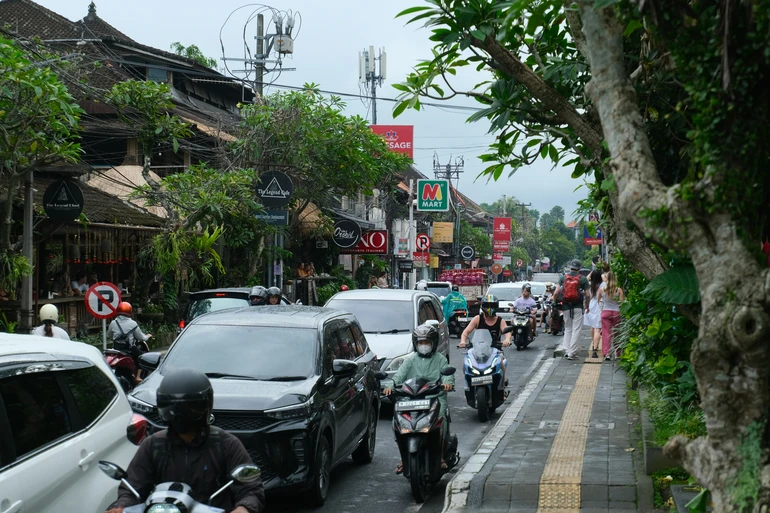
Traffic congestion in Bali has become a serious issue in recent years, particularly in tourism hotspots and urban centers. The island is currently dealing with around 4.7 million vehicles, while its road network spans only approximately 8,685 kilometers. The imbalance has significantly affected tourist mobility, daily community activities, and even economic productivity.
Despite receiving close to 20 million tourists annually, only around 4% of visitors use public transportation. The heavy dependence on private vehicles has further worsened traffic conditions across the island.
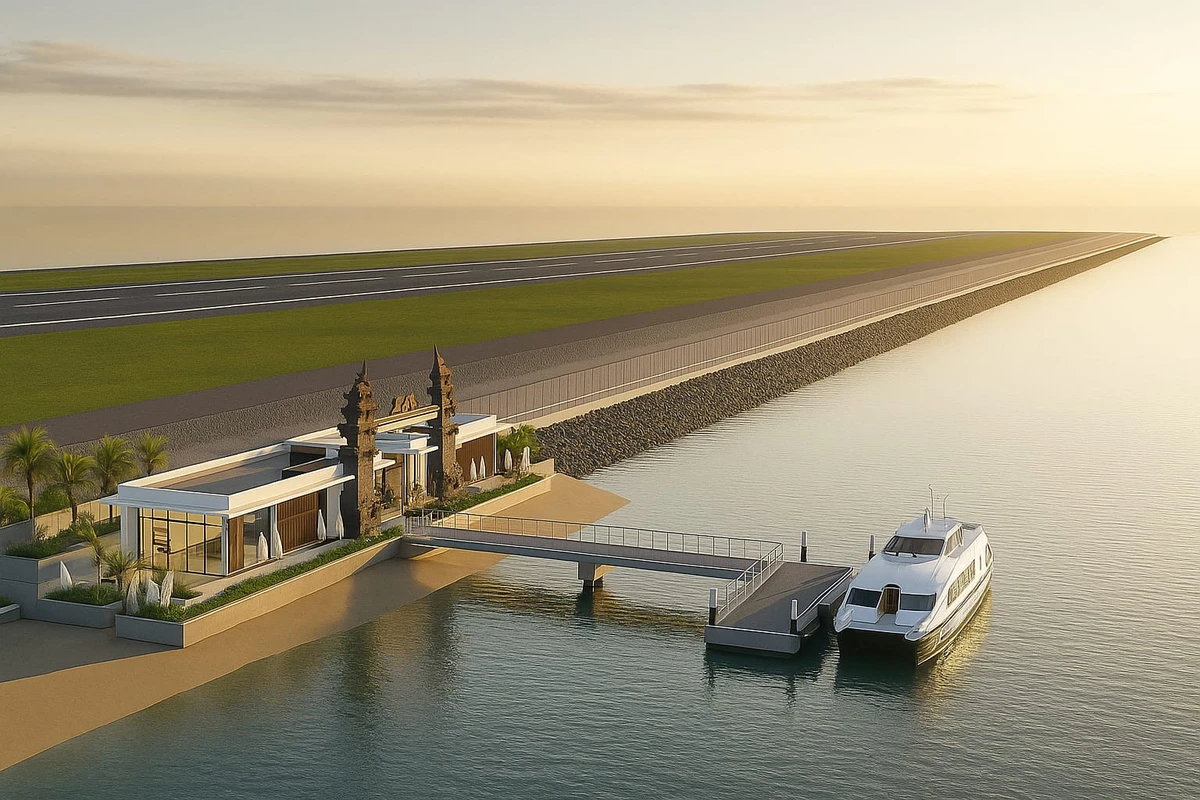
To address this issue, the government is now developing a water taxi system that could significantly reduce travel time between I Gusti Ngurah Rai International Airport and Canggu.
Airport to Canggu in Just 30 Minutes
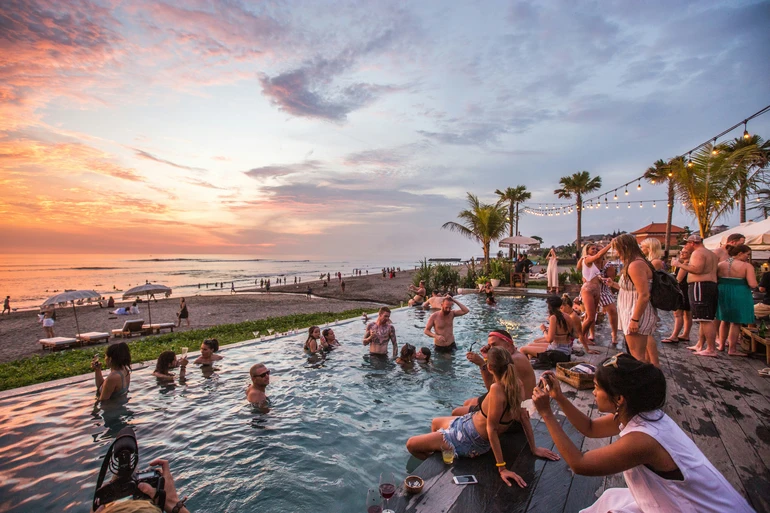
The proposed water taxi service is expected to cut travel time from Bali’s airport to Canggu to around 30 minutes. Currently, the same trip by road can take anywhere from one to two hours depending on traffic conditions.
The project is being prepared as part of a broader initiative to improve connectivity in Bali’s tourism areas while reducing pressure on crowded roads in Badung Regency.
State-owned ferry operator PT ASDP Indonesia Ferry (Persero) is actively involved in the preparation of the service together with PT Angkasa Pura Indonesia.
ASDP President Director Heru Widodo described the initiative as a strategic response to Bali’s increasingly dynamic mobility needs, while also strengthening intermodal connectivity across tourism areas.
“The development of water taxi services is part of our commitment to supporting government policies in creating an integrated transportation system. We hope this service can become an efficient, safe, and comfortable alternative for both residents and tourists,” said Heru Widodo.
The Ministry of Transportation has also expressed support for the project. Transportation Minister Dudy Purwagandhi stated that the water taxi initiative is considered a strategic solution to improve integration between land, sea, and air transportation systems in Bali.
Rp 1.21 Trillion Investment Planned for the Project
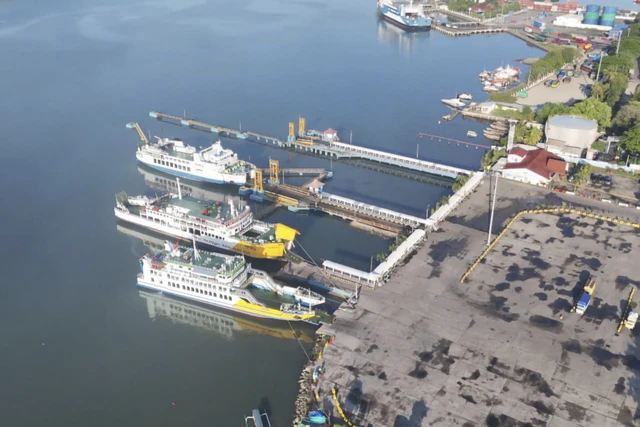
The government estimates that the Bali water taxi development will require an investment of approximately Rp 1.21 trillion for its initial phase.
According to Transportation Minister Dudy Purwagandhi, the funding will be allocated toward essential infrastructure and safety measures needed to operate in Bali’s coastal waters, which are known for their challenging conditions.
“The estimated budget required for the initial investment component is Rp 1.21 trillion, and to continue ensuring safety and security aspects in waters classified as extreme, a layout with wave barriers or breakwaters is needed,” Dudy explained.
The inclusion of breakwaters is considered crucial to support operational safety, especially due to strong waves, currents, and coastal conditions in several proposed development areas.
Feasibility Study Identifies Berawa Route as Priority
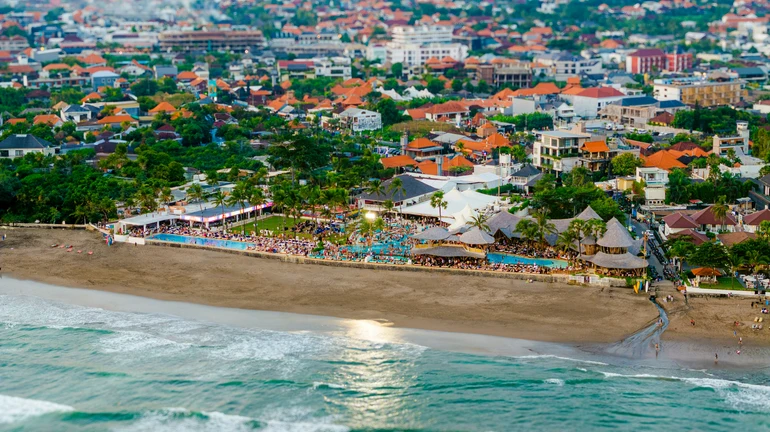
In the initial stage, ASDP and PT Angkasa Pura Indonesia have completed a comprehensive feasibility study for the project. The study reviewed market potential, technical and operational aspects, financial considerations, as well as social and environmental impacts.
The results showed strong potential for further development, with the Sekeh–Canggu (Berawa) route identified as the priority route for the first phase.
ASDP Corporate Secretary Windy Andale explained that route selection was based on extensive studies considering user demand, water conditions, sailing safety, infrastructure readiness, and surrounding area connectivity.
“Through this approach, the water taxi service is expected to be not only efficient, but also safe and integrated with Bali’s tourism ecosystem,” said Windy Andale.
At present, the project has entered the next development stage, focusing on the preparation of the Detailed Engineering Design (DED) and licensing requirements together with PT Angkasa Pura Indonesia. The process is targeted for completion in 2026 before being submitted to the government for further direction and assignment.
Although the project was initially expected to launch in 2024, it faced delays. The latest timeline places construction between August 2026 and July 2027, with operational trials expected during that period.
Why Bali Needs Water Taxi Services

The proposed service is seen as more than just a tourism attraction. Authorities believe water taxis could help reduce road congestion while offering travelers a faster and more comfortable transportation option.
By utilizing sea routes, travel time on strategic routes such as Ngurah Rai Airport to Canggu could be shortened to just 20–30 minutes. The initiative is also expected to help reduce road traffic pressure, support sustainable tourism, and create new economic opportunities in coastal areas.
For tourists, water taxis could provide a completely different travel experience compared to sitting in traffic for hours. Passengers would be able to enjoy ocean views, shorter travel times, and direct access to tourism areas and coastal hotels.
The service is also expected to benefit Bali’s hospitality industry by improving accessibility for guests staying in destinations such as Seminyak, Canggu, and Uluwatu.
Similar Water Taxi Services Already Exist in Bali
While the new airport-to-Canggu project is still under development, Bali already has several marine transportation services operating across coastal areas.
One example is GoBoat, a fast boat service connecting areas such as Benoa, Serangan, and Pedungan. Another option is Bali Marine Water Taxi, which also provides marine transportation services across different parts of Bali. The growing presence of sea-based transport reflects increasing demand for alternatives to Bali’s congested roads.
Challenges Remain for Water Taxi Development
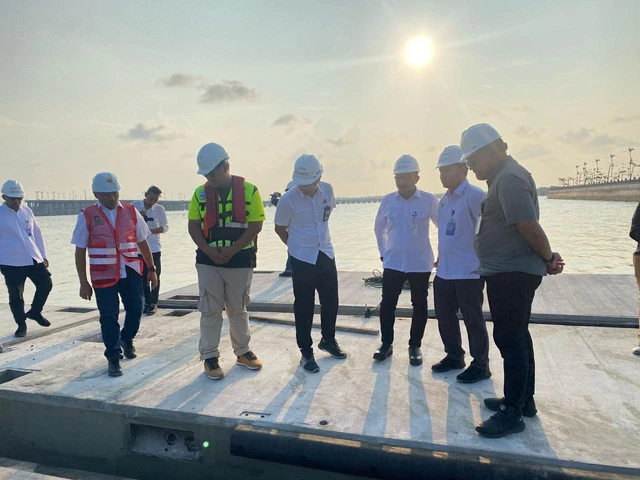
Despite its strong potential, the development of water taxi infrastructure in Bali still faces several challenges.
Supporting facilities such as docks and terminals are not yet fully available, while Bali’s coastal waters present environmental and technical difficulties including strong currents, high waves, coastal abrasion, and shifting shorelines. Some proposed development areas are also located within protected zones, requiring special permits and environmental considerations.
Social and cultural aspects are another important factor. Water taxi operations will need to coexist with local fishing activities, surfing areas, and traditional ceremonies to avoid potential conflicts with coastal communities.
To support long-term implementation, several policy recommendations have been proposed, including developing adaptive regulations, integrating water taxi services with land transportation systems, expanding routes to more tourism destinations, and adjusting operational hours to local cultural activities.
Toward a More Integrated and Sustainable Transport System
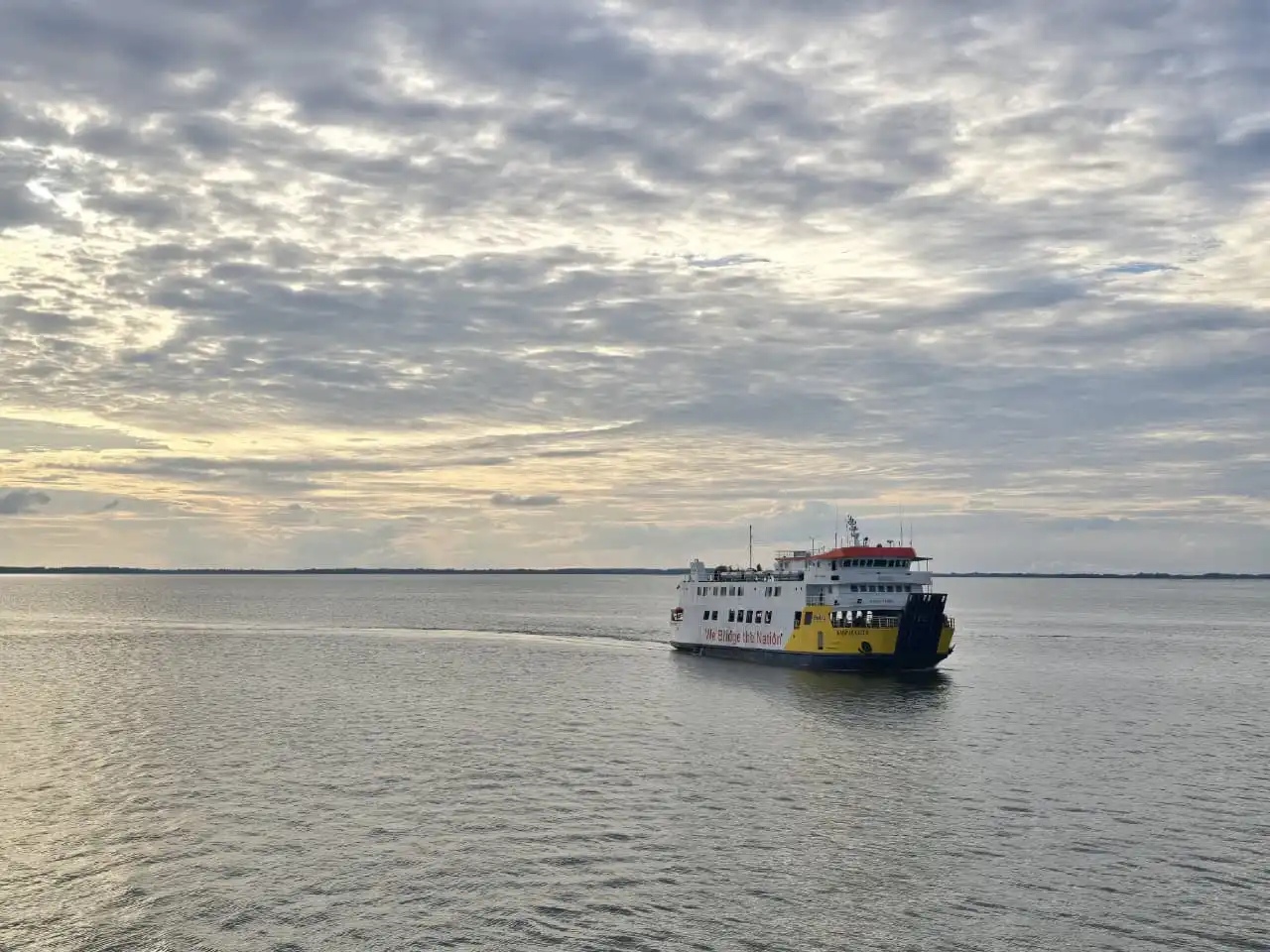
With careful planning and collaboration, Bali’s water taxi initiative could become more than just an alternative transportation option. The project is expected to support a more integrated and sustainable transportation ecosystem while enhancing the island’s tourism appeal.
As Bali continues to search for solutions to its traffic challenges, sea-based mobility may soon become an important part of how travelers experience the island, offering faster journeys, scenic coastal views, and a new way to explore Bali beyond its crowded roads.