

 Billy Bagus
 Jan 02, 2026
Towards 2026 and beyond, Bali’s travel evolution will not be led by beach clubs or new resorts, but by something far older and far more powerful. As global travelers grow more conscious about health, sustainability, and meaning, the island is quietly returning to its roots. Food, farming, and wellness are converging into a new tourism narrative that reshapes how Bali is experienced, consumed, and valued.
Read on to discover why Bali’s future as a world-class travel destination may be shaped less by what is built, and more by what is grown!
Before Tourism, There Was Soil
Long before beach clubs, boutique resorts, and infinity pools defined Bali’s global image, the island’s true power came from its soil. Farming was not just an occupation but the backbone of Balinese civilization, shaping rituals, landscapes, and community life. Even today, agriculture remains one of Bali’s most critical sectors, though its role is often overshadowed by the rapid growth of tourism and urban development.
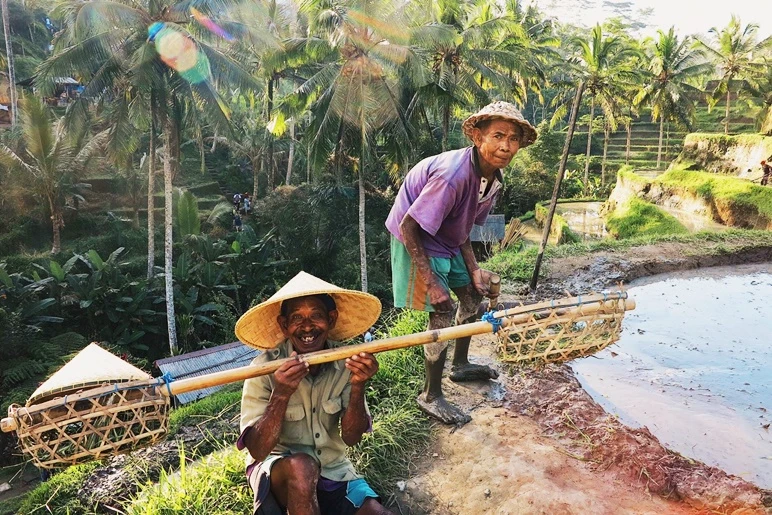
As Bali moves toward 2026, a quiet but significant shift is taking place. Food, farming, and wellness are no longer peripheral themes in travel. They are emerging as the core narrative of Bali’s next tourism chapter, driven by global demand for authenticity, sustainability, and meaningful experiences.
Bali’s Agricultural Potential Is Bigger Than Fresh Produce
Bali is not lacking farmland, knowledge, or market access. What has been missing is alignment. The island has a massive, built-in demand for agricultural products through hotels, restaurants, cafes, wellness centers, and middle-income households. Yet imported produce continues to dominate many kitchens, leaving local farmers underutilized in their own ecosystem.
Agriculture in Bali extends far beyond vegetables and rice. Tea, coffee, herbs, flowers, skincare ingredients, and natural dyes all originate from Balinese soil. These products naturally connect with tourism experiences focused on wellness, gastronomy, and conscious living. When viewed holistically, farming has the potential to become a visible face of Bali tourism, standing alongside culture and natural scenery.
From Supply Gaps to System Thinking
One of the biggest challenges preventing deeper integration between farming and tourism has been reliability. Inconsistent supply, fluctuating quality, and fragmented distribution systems have made large-scale hospitality players cautious. This has created a cycle where farmers struggle to scale while businesses continue to rely on external sources.

The solution lies not in individual effort but in structured collaboration. Strong systems that connect farmers, cooperatives, local enterprises, and tourism operators can transform agriculture into a dependable backbone for the hospitality sector. This shift is not just economic. It directly affects food security, environmental health, and the long-term resilience of Bali’s tourism industry.
Wellness Tourism Is Returning to Its Source
Wellness tourism in Bali has long been associated with spas, yoga retreats, and luxury resorts. In 2026 and beyond, that definition is expanding. Wellness is increasingly understood as something that begins with food, land, and ecosystems.

Travelers today are seeking experiences that reconnect them with nature, improve physical health, and support mental clarity. This has opened the door for farming communities to become active hosts rather than passive suppliers. Agro-tourism and eco-tourism are gaining traction among both international and domestic travelers who want to experience Bali beyond curated resort spaces.
Rural Experiences Are Becoming the New Luxury
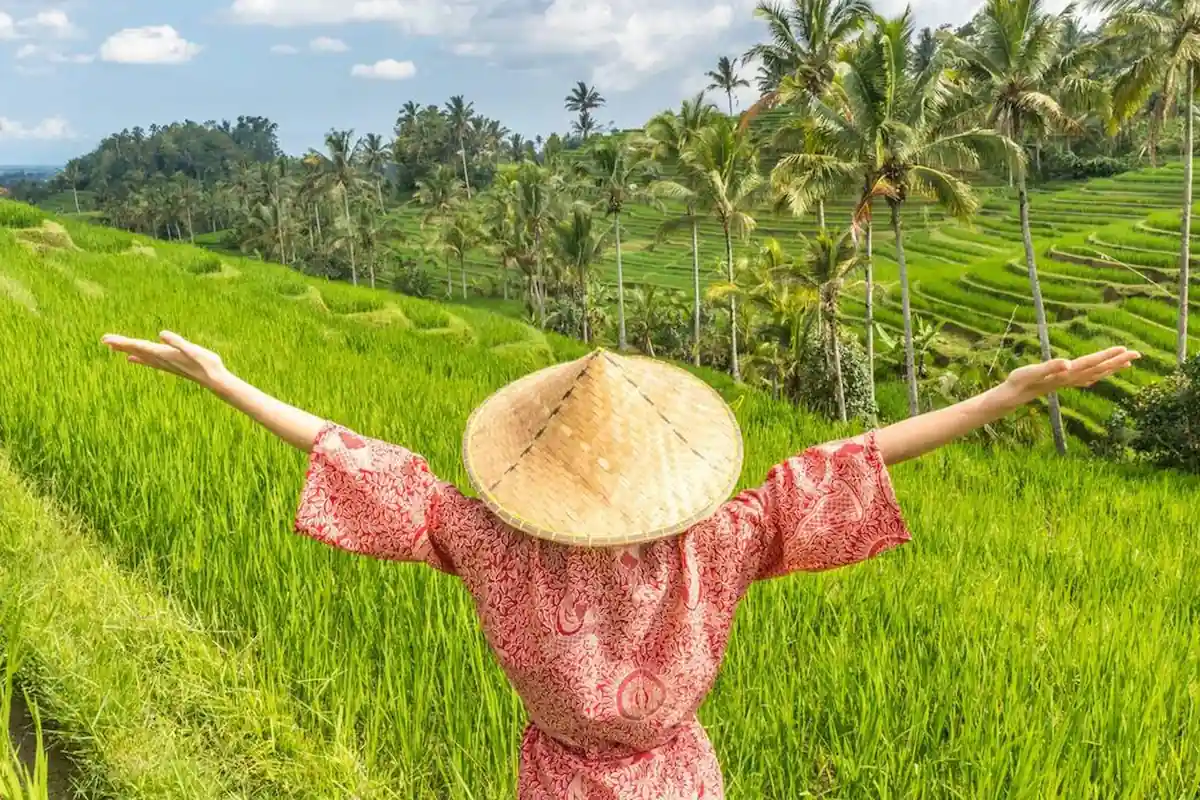
Across Bali, farming communities are quietly redefining what luxury means. Instead of polished marble and air-conditioned lounges, the new appeal lies in muddy rice fields, hands-on planting, and learning traditional agricultural cycles. These immersive experiences offer something increasingly rare in modern travel, genuine connection.
Some initiatives offer full-day farm visits where guests learn regenerative practices and traditional rice cultivation. Others go further with multi-day trails and overnight expeditions into lesser-visited villages. These experiences provide economic opportunities for rural communities while giving travelers a deeper understanding of Bali’s living culture.
High-End Resorts Are Following the Same Path
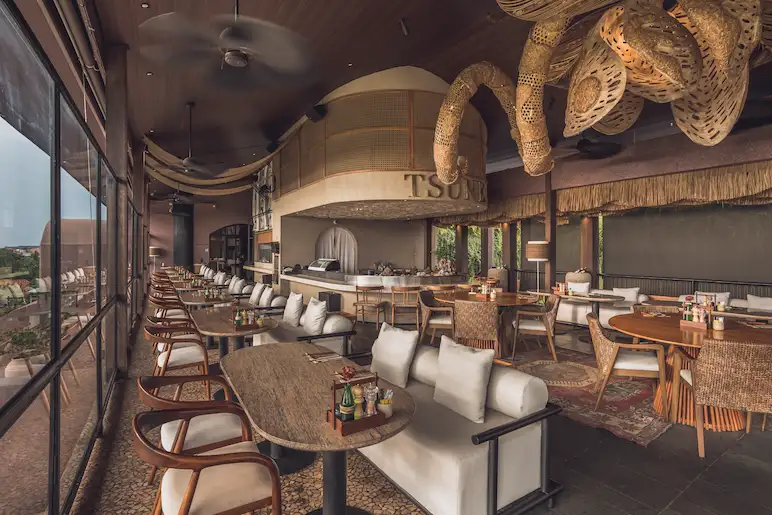
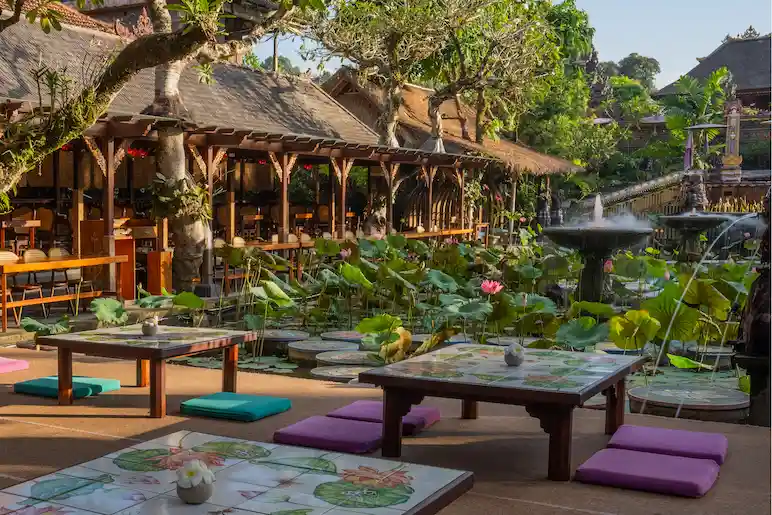
This return to roots is not limited to grassroots initiatives. Luxury resorts are also reshaping their wellness offerings by integrating sustainable farming and local food systems. Vegetable gardens, river-fed landscapes, and nature-integrated architecture are becoming essential elements of premium wellness tourism.
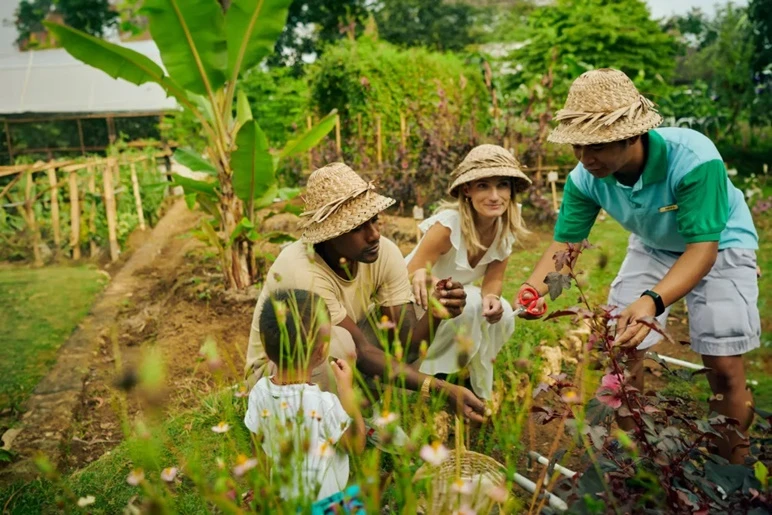
These environments create experiences where guests do not just consume wellness but witness its origins. Healthy food grown on-site, landscapes designed around natural water flows, and minimal intervention design principles all reinforce the message that human wellbeing is inseparable from environmental health.
Gastronomy, Wellness, and the Future of Bali Travel
National tourism strategies are reinforcing this direction, placing gastronomy and wellness at the center of future promotions. This creates a powerful opportunity for Bali’s farming communities to step into the spotlight. Rural areas are no longer seen as secondary destinations but as essential contributors to the island’s tourism identity.
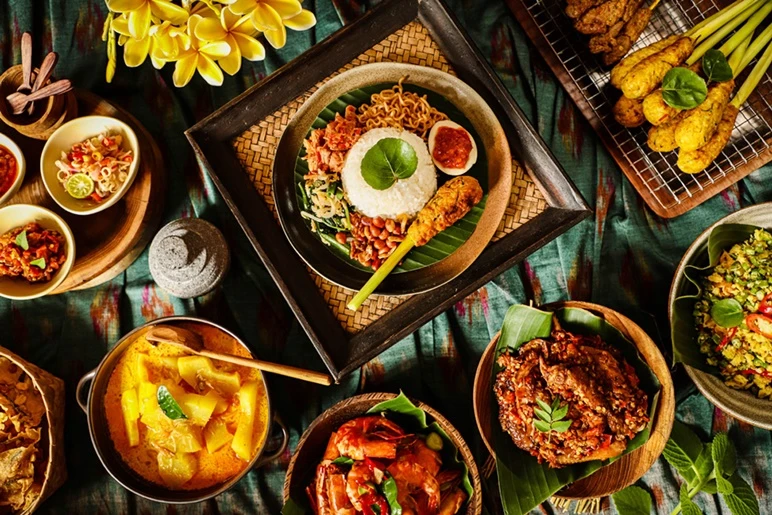
The implications are significant. Bali’s future tourism growth will depend less on expansion and more on depth. Travelers will seek stories behind their meals, origins of their treatments, and meaning in their experiences. Farming provides all three.
As Bali looks toward 2026, the message is clear. The island’s future does not require reinventing itself. It requires remembering what made it strong in the first place. Food, farming, and wellness are not trends created for tourism. They are foundations that tourism is finally learning to honor.