


 Billy Bagus
 Jan 22, 2026
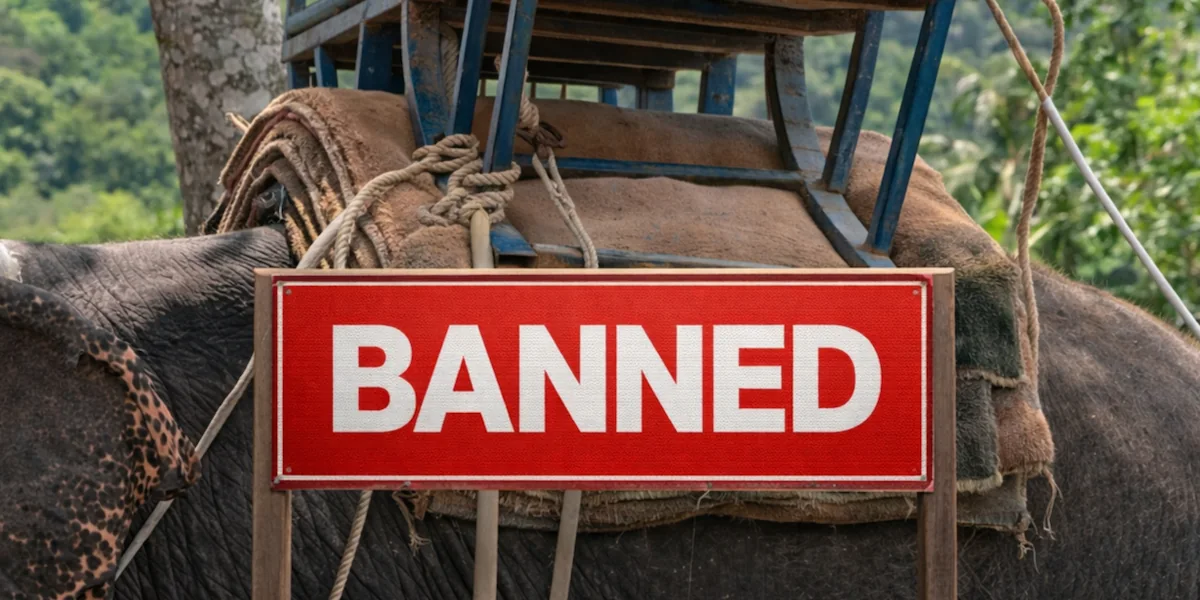
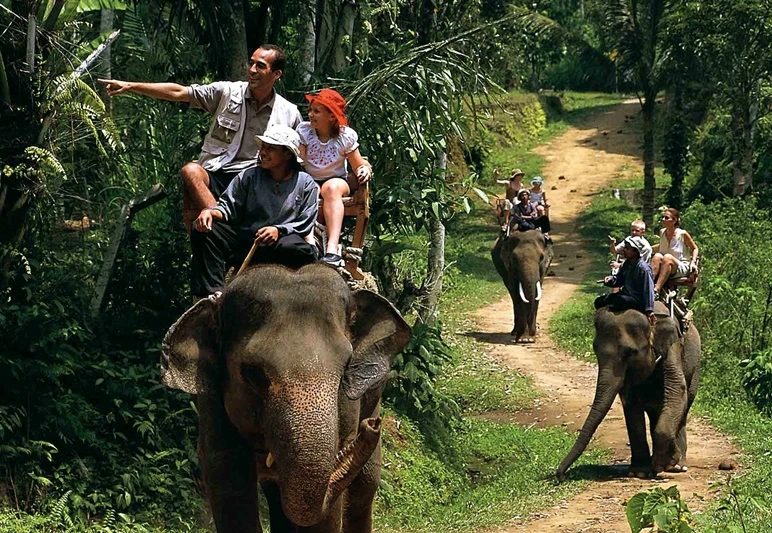
Bali Zoo has officially ended its elephant riding program with immediate effect, marking a decisive shift in how wildlife tourism is managed on the Island of the Gods. The announcement signals more than the closure of a single attraction. It reflects a broader recalibration of values across Bali’s conservation and tourism sectors, where animal welfare is increasingly placed above experiential novelty.
The announcement signals more than the closure of a single attraction.
A Long-Criticized Practice Comes to an End
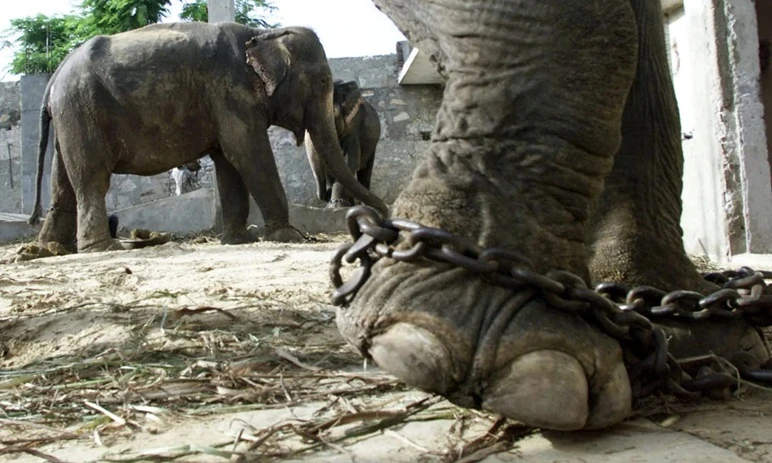
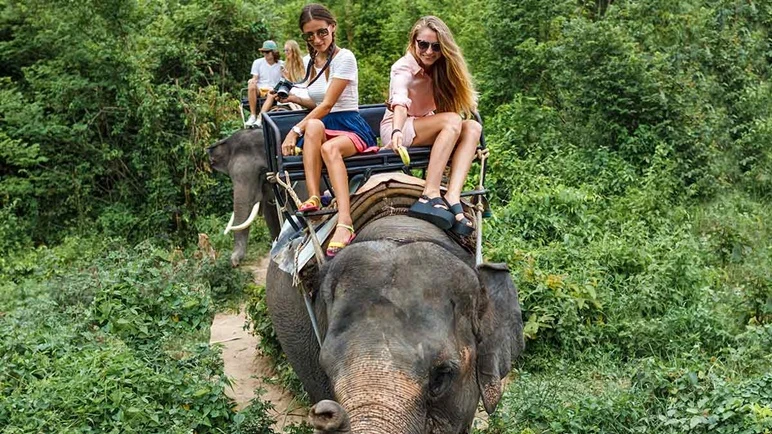
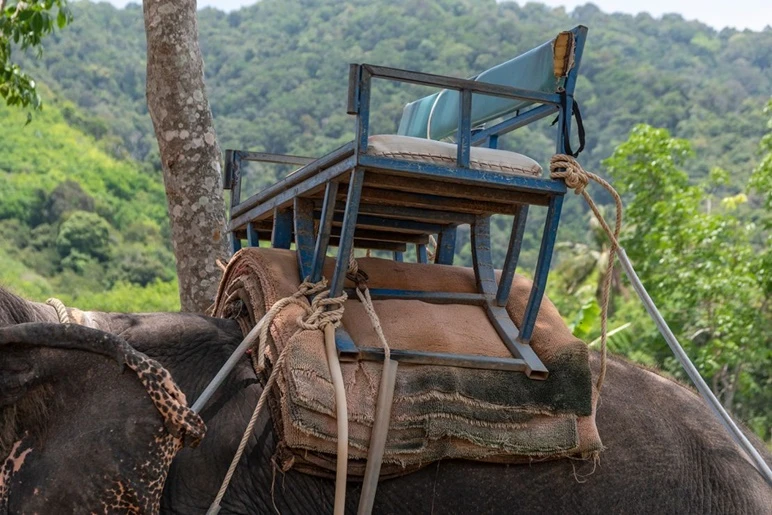
Elephant riding has faced sustained criticism from animal welfare experts and ethical tourism advocates for more than a decade. Concerns range from physical strain on the animals to the behavioral impact of forced human interaction. Bali Zoo’s decision places it firmly on the progressive side of this debate and aligns it with a growing global movement to eliminate exploitative wildlife tourism practices.
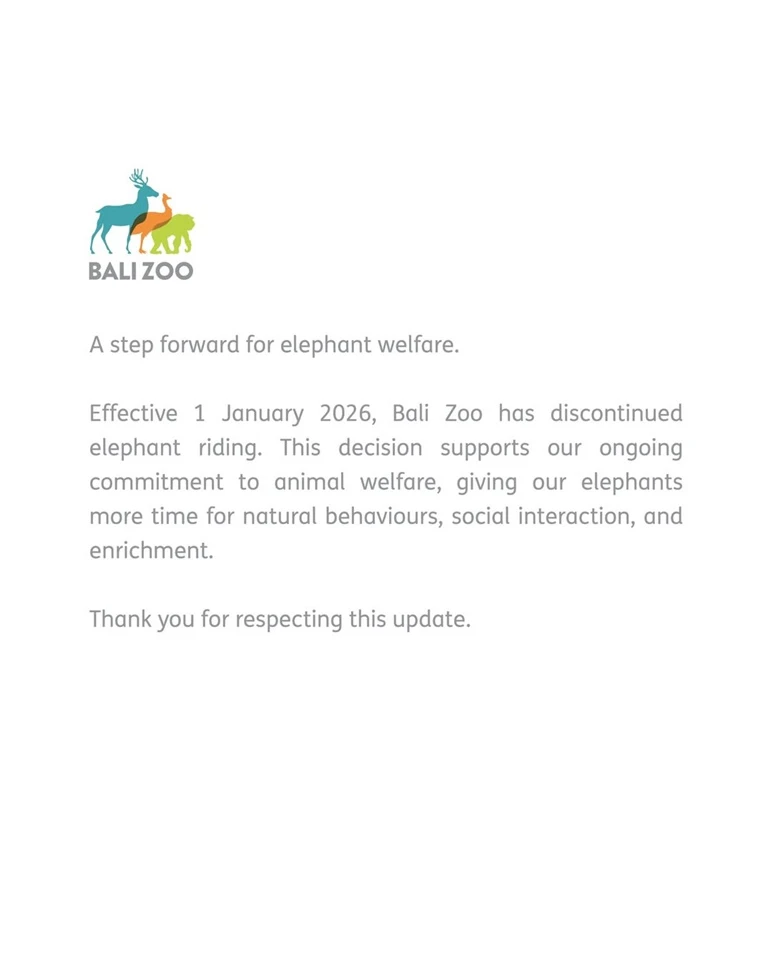
The move follows a newly issued directive from Indonesia’s Ministry of Forestry that calls for the termination of elephant riding demonstrations at conservation institutions nationwide. Bali Zoo’s compliance signals institutional readiness to adapt, rather than resist, evolving conservation standards.
Indonesia’s Unique Elephant Habitat Landscape
Indonesia occupies a distinct position in the global context of elephant conservation. Unlike many countries where captive elephants are privately owned, nearly all captive elephants in Indonesia fall under government ownership. This structure places added responsibility on conservation institutions to meet strict welfare expectations and operate under close regulatory oversight.
Bali Zoo’s decision was made in coordination with provincial conservation authorities, reinforcing that the change is not symbolic. It is structural, regulated, and intended to redefine long-term animal management practices.
More Space for Natural Behavior and Welfare
The zoo is home to fourteen critically endangered Sumatran elephants. Ending elephant rides frees time, space, and energy for these animals to engage in natural behaviors such as social bonding, movement, and enrichment activities. The emphasis now shifts toward care, conservation education, and habitat management rather than visitor interaction driven by spectacle. Importantly, the zoo is not rushing to replace the discontinued program with another high-interaction attraction. Instead, the focus is on improving overall visitor experience through education and observation rather than physical contact.
A Ripple Effect Across Bali’s Wildlife Attractions
The implications extend far beyond Bali Zoo. Conservation authorities have confirmed that all elephant-holding facilities in Bali are required to comply with the new standards. This places pressure on other wildlife attractions to reassess practices that rely on direct animal interaction as a selling point. Animal welfare advocates are already questioning what this decision means for other popular experiences involving close contact with wildlife. The end of elephant riding opens the door to a wider conversation about where Bali draws the line between conservation, education, and entertainment.
Public Response Signals Changing Tourist Values
The public reaction has been swift and vocal. Online responses show growing awareness among travelers who now question experiences that were once normalized. Many acknowledge participating in elephant activities in the past but express discomfort when reconsidering their impact. This shift in sentiment reflects a broader transformation in tourism demand. Visitors increasingly seek experiences aligned with sustainability, ethics, and respect for wildlife. Bali Zoo’s decision positions it ahead of this curve rather than trailing behind it.
What This Means for the Future of Bali Tourism
Stopping elephant rides is not the end of the story. It is a starting point. Bali’s reputation as a world-class destination has long relied on cultural depth and natural beauty. Ethical stewardship of wildlife now becomes part of that identity.
If this momentum continues, Bali could emerge as a regional leader in responsible tourism. The decision by Bali Zoo demonstrates that meaningful change is possible when conservation values take precedence over outdated attractions. The question now is how far this shift will go, and which institutions will follow next.