Bali Plan to Shutdown Airbnb? Everything We Know So Far
Billy Bagus
Dec 11, 2025
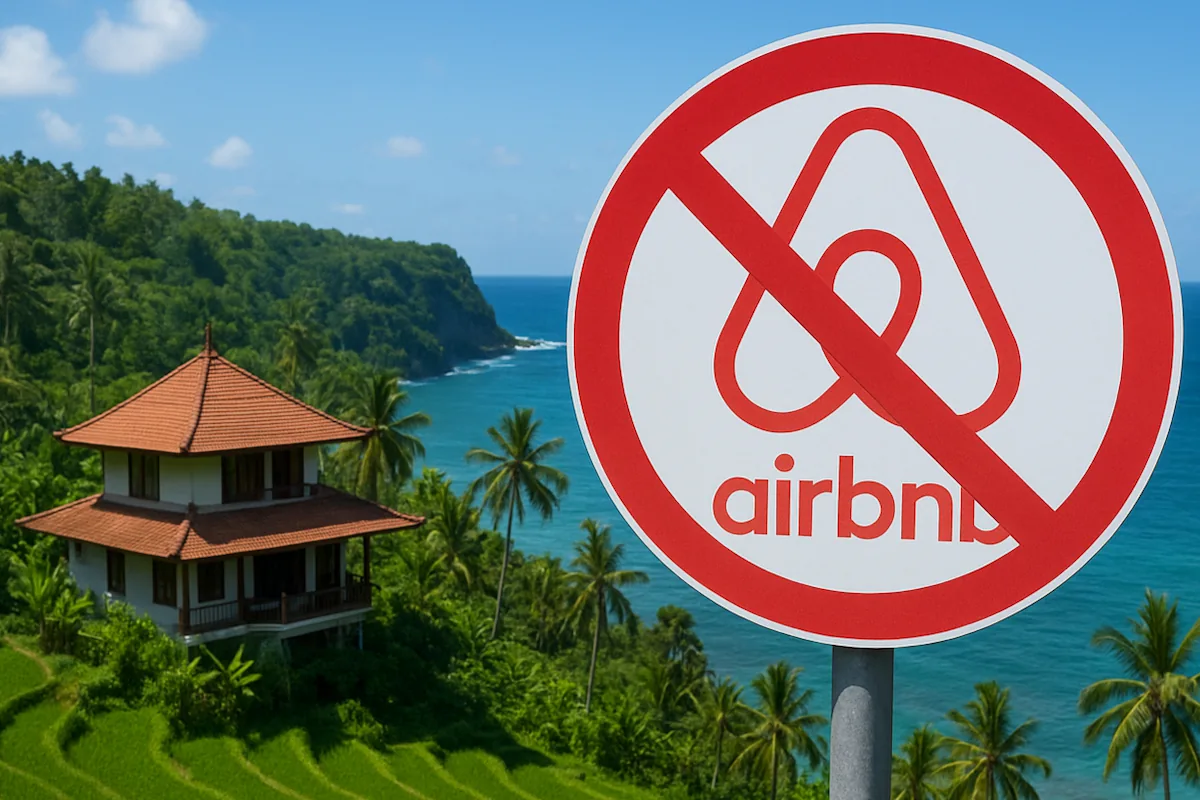
Headlines quickly spun into claims that Bali is banning Airbnb altogether, although the situation is far more nuanced than it appears.
Bali is once again in the global spotlight as provincial authorities signal a decisive push to tidy up the island’s booming short-term rental market. The conversation accelerated after Governor Wayan Koster announced plans to halt daily rentals promoted through platforms like Airbnb. Headlines quickly spun into claims that Bali is banning Airbnb altogether, although the situation is far more nuanced than it appears.
Headlines quickly spun into claims that Bali is banning Airbnb altogether, although the situation is far more nuanced than it appears.
IMG Credit: Dewata News
Why the Shutdown Plan Emerged
The debate intensified when Governor Wayan Koster revealed that his administration is preparing a regulation targeting unlicensed villa operations. His focus is not on banning the Airbnb app itself but on stopping properties that run commercial accommodation without permits, zoning approval or tax compliance. Bali’s tourism numbers continue to climb, yet regional revenue is not rising at the same pace, which the provincial government sees as evidence of significant leakage in the short-term rental sector.
Bali's Governor I Wayan Koster (IMG Credit: Bali Topik)
This mismatch has long frustrated officials because it suggests that thousands of villas and private homes advertised online may not be paying the ten percent hotel tax required of licensed operators. As a result, Bali’s official income fails to reflect its tourism popularity, and essential public services lose the funding they could have received from the island’s biggest industry.
Inside Bali’s Vast Shadow Market
Estimates suggest that Bali hosts well over fifteen thousand villa units promoted through digital platforms, while only a much smaller portion holds proper tourism registration. Many operate in residential zones and function as commercial accommodation without meeting the legal criteria. This creates a shadow market that competes unfairly with licensed hotels and villas that comply with zoning rules, safety standards and tax contributions.
Throughout 2025, Bali has already taken action by sealing illegal villas, conducting tax audits and clearing structures that violate spatial planning rules. These efforts indicate that the island is moving toward stronger enforcement, and the discussion on Airbnb fits into this broader agenda.
Is Airbnb Actually Being Banned
As of now, no. There is no official regulation, no operational restriction and no immediate change for travellers or hosts who follow the law. The upcoming regulation is still in draft form and must pass through legal review, tourism offices and the Bali Regional Legislative Council before it can take effect. This process may extend well into 2026.
One of Ubud's Villa Listed in Airbnb
Most observers expect Bali to opt for strict compliance rather than a complete shutdown. Platforms may be required to verify licence numbers, remove non-compliant listings or share data with the government. A full ban is viewed as unlikely because it could drive the rental market underground, making it harder to monitor and less safe for guests.
What Travellers Should Expect (and What Property Owners Must Prepare For)
Nothing changes for visitors today. Travellers with Airbnb bookings can proceed as planned. Over the next few years, guests may simply find fewer ultra-cheap listings that operate in the grey market and more clarity on which properties are legally registered. This shift may improve safety standards and offer more transparency in the accommodation landscape.
IMG Credit: Adriana Maria
The message for owners and investors is clear. Compliance is becoming a non-negotiable requirement. Properties will need correct zoning, business registration and tourism licences to operate legally as short-term rentals. Those who are already compliant may benefit as competition tightens, while informal operators may face fines, inspection pressure or removal from platforms.
IMG Credit: Fodors Travel Guide
A Turning Point?
The plan to shut down illegal Airbnb activity marks a critical moment for Bali’s tourism evolution. Governor Wayan Koster is pushing for a more accountable, better regulated accommodation sector that aligns with the island’s economic needs. The final regulation will determine how far this transformation goes, but one thing is certain. Bali is preparing to reshape the future of independent accommodation, and the ripple effects will be felt across travellers, hosts and the industry at large.



 Billy Bagus
 Dec 11, 2025