

 Vincentius Alvin Yoga
 May 29, 2026
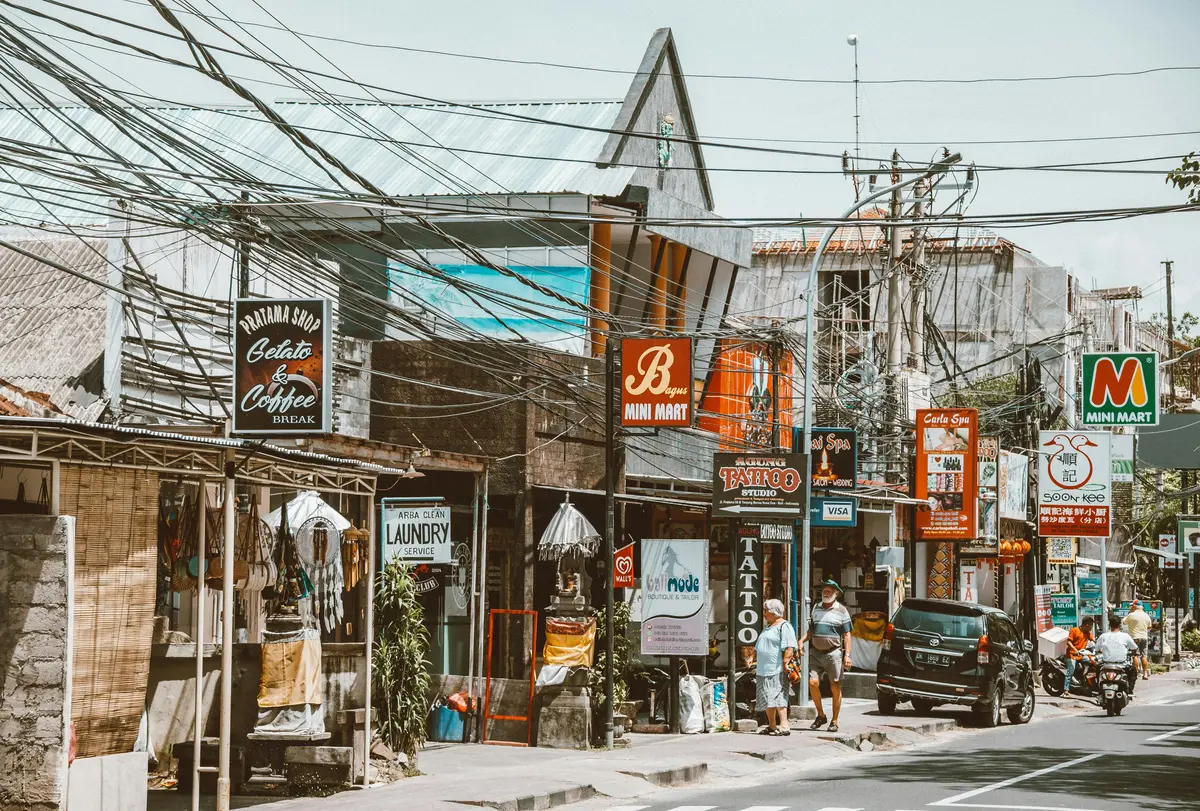
Ubud is taking a major step toward improving its urban landscape as the Gianyar Regency Government, together with the Association of Telecommunication Network Providers (APJATEL), officially begins relocating overhead telecommunication cables underground. The initiative aims to reduce visual clutter, improve public safety, and support the overall aesthetics of Bali’s leading tourism destination. The program is expected to create a cleaner, safer, and more organized environment while strengthening Ubud’s image as a world-class tourist destination.
Ubud is taking a major step toward improving its urban landscape as the government, together with the Association of Telecommunication Network Providers, officially begins relocating overhead telecommunication cables underground.
Underground Cable Works Begin Across Ubud
Construction work has started along Jalan Suweta, near the western side of Puri Agung Ubud, where workers have been manually digging several points to relocate utility networks underground. At least five excavation points have been prepared as part of the initial stage of the project.
Despite the ongoing work along the roadside, traffic in both directions has remained smooth, while tourists continue to move around the area without significant disruption. The underground cable relocation is not limited to Jalan Suweta. Similar works are also being carried out along Jalan Sri Wedari and Jalan Tirta Tawar as part of the pilot project in Ubud District.
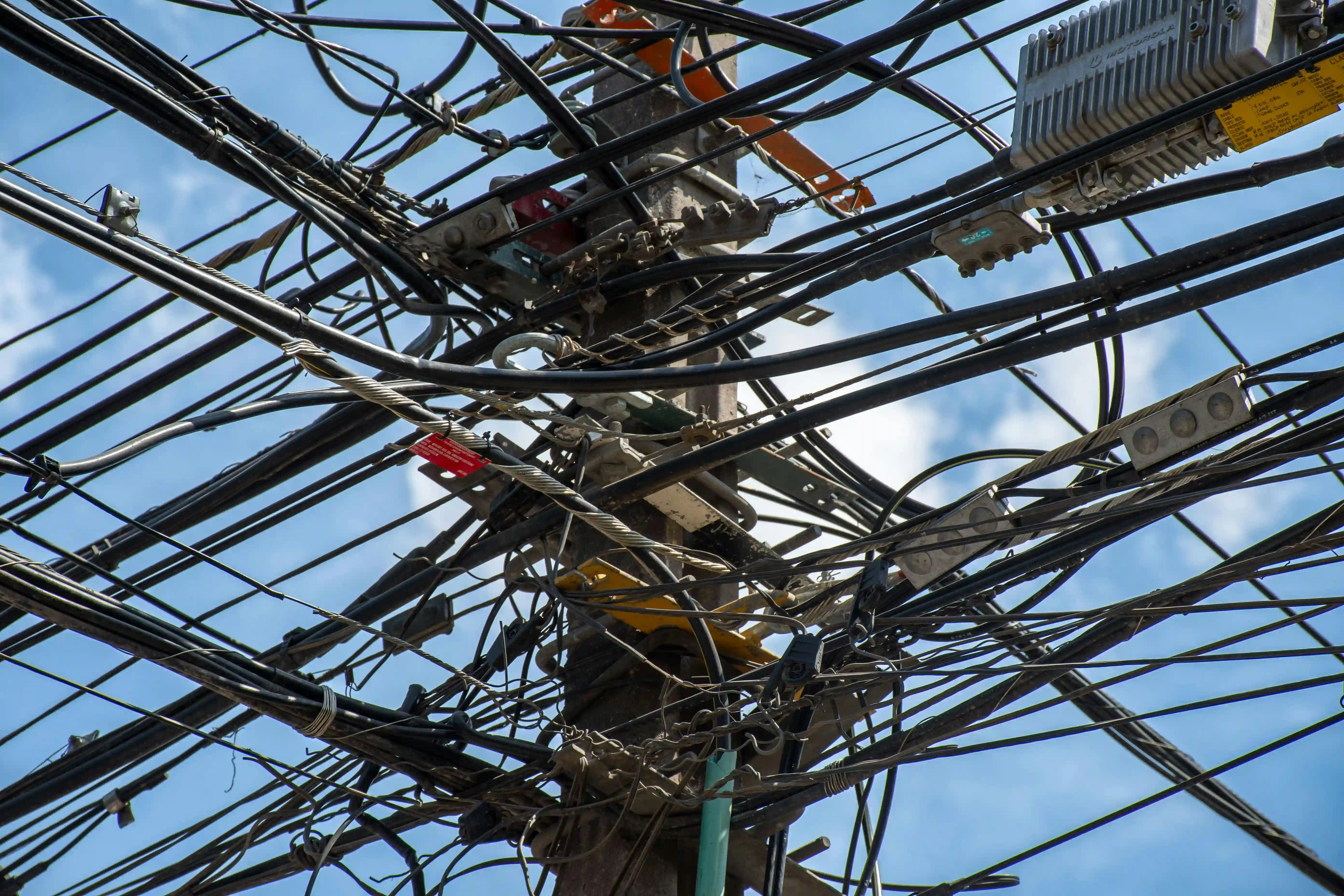
Chairman of APJATEL Bali, Dodi Simanjuntak, explained that the relocation aims to organize the previously tangled fiber optic cables while also reducing the number of utility poles lining the streets. “Overhead cables are being converted into underground networks, with a more efficient pole arrangement using only one pole at each connection point,” Dodi explained. The project is fully funded independently by each telecommunications provider involved in the program.
Supporting Ubud’s Tourism Appeal and Cultural Activities

Gianyar Regent I Made Agus Mahayastra stated that as one of Bali’s premier tourism areas, Ubud requires cleaner and more aesthetically pleasing public spaces. According to him, relocating utility cables underground is an important first step toward creating a more organized and visually appealing urban environment.
“This is an initial step toward realizing a more organized, safe, and aesthetically pleasing spatial arrangement in one of Bali’s leading tourism areas,” Mahayastra said. The groundbreaking ceremony also marked a shared commitment between the local government and telecommunication providers to improve infrastructure systems that have long been dominated by overhead cables.
Beyond visual improvements, the underground system is also expected to support Balinese cultural and religious activities that have often been disrupted by low-hanging cables. Traditional ceremonies such as pelebon or ngaben cremation processions, penjor installations, and ogoh-ogoh parades will be able to proceed more smoothly without technical obstacles.
Ubud community figure Tjokorda Gde Asmara Putra Sukawati praised the collaboration between the Gianyar Government and APJATEL, calling it a strategic step that answers long-standing community concerns.
According to him, overhead cables have not only affected the visual appearance of the area but have also frequently interfered with traditional ceremonies. During ngaben processions, for example, tall ceremonial towers known as bade often become obstructed by cables crossing above the roads, sometimes causing damage and additional costs for local residents.
“We see this as a real commitment from the regional government to fulfill the expectations of the community. Hopefully, this can eventually be implemented more widely across Bali,” he said.
Improving Public Safety and Infrastructure Reliability
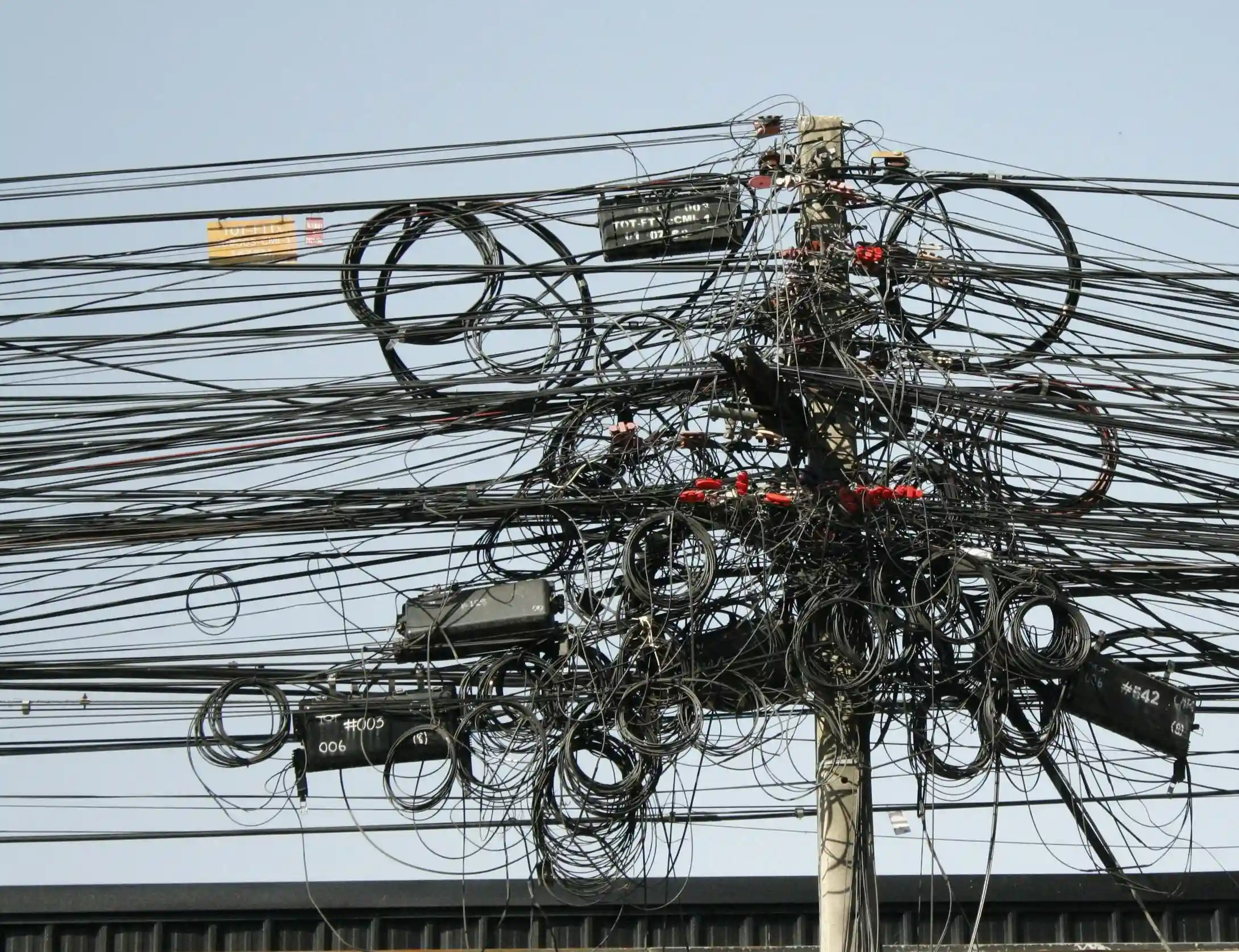
In addition to aesthetics, the underground cable initiative is also considered crucial for public safety. Bali’s overhead utility cables have long raised concerns due to the risks posed by falling wires and damaged poles.
Dodi Simanjuntak emphasized that the relocation project in Ubud has undergone detailed surveys, data validation, and technical planning between APJATEL partners and telecommunications providers to ensure that services remain uninterrupted during the process.
“In addition to improving aesthetics, relocating cables underground reduces the risk of accidents caused by hanging wires and minimizes network disruptions often triggered by large vehicles or falling trees,” he explained.
Meanwhile, Head of Ubud Village I Made Gian Nanda Suwitra welcomed the initiative and expressed hope that it would improve comfort for residents and network users while reducing utility pole maintenance costs for providers. “Hopefully, this can become a model for reducing cable clutter and creating a more organized and aesthetically pleasing environment,” Suwitra said.
A Step Toward a More Modern Bali

The underground cable project in Ubud represents one of Bali’s ongoing efforts to improve essential infrastructure while maintaining the island’s tourism appeal and cultural identity. Although still being implemented gradually, the initiative is expected to inspire similar improvements across other parts of Bali.
As Ubud begins transitioning toward underground utility systems, the iconic destination is hoped to become not only more visually appealing, but also safer, more comfortable, and more supportive of the daily lives and cultural traditions that define the island.