


 Vincentius Alvin Yoga
 Mar 13, 2026
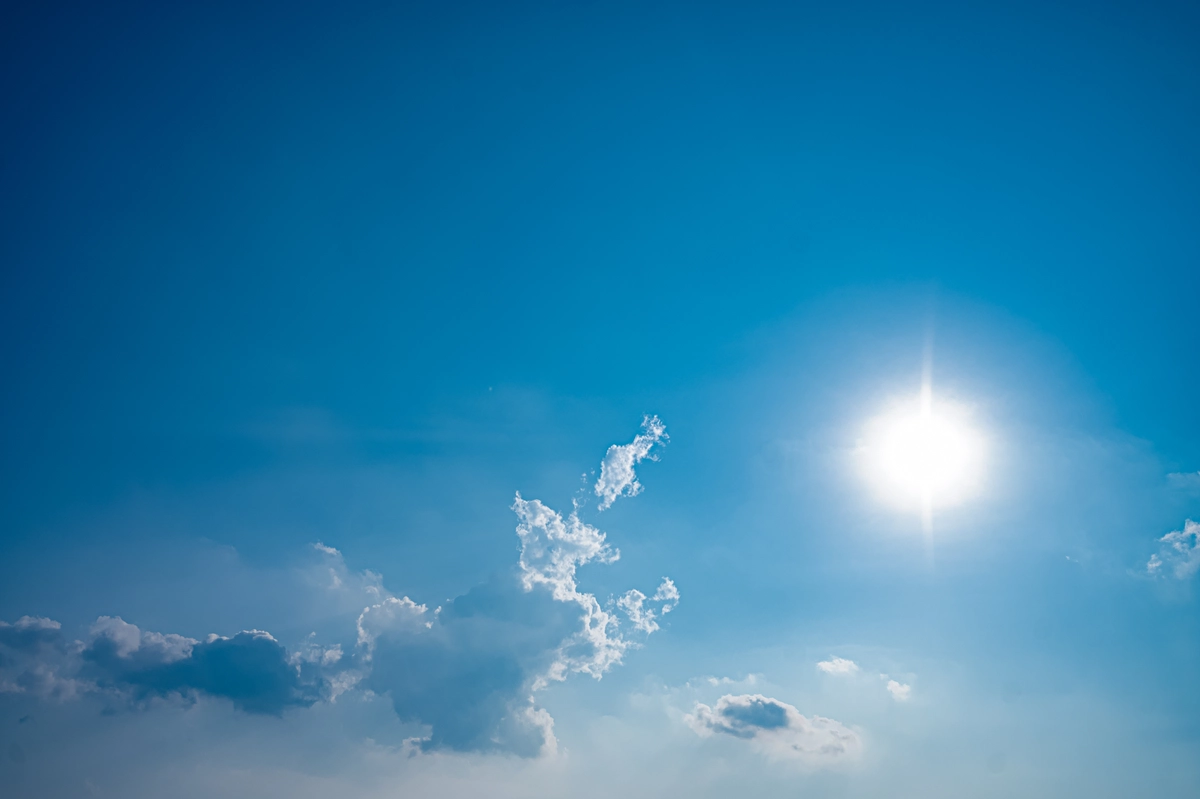
Indonesia’s Meteorology, Climatology, and Geophysics Agency (BMKG) has predicted that several regions across the country will begin entering the dry season starting in April 2026. The transition is expected to begin in the Nusa Tenggara region before gradually spreading westward to other parts of Indonesia.
BMKG predicts Indonesia’s 2026 dry season will arrive earlier and be drier than 2025 as climate conditions may shift toward El Niño.
The seasonal shift is expected as the La Niña phenomenon that previously influenced Indonesia’s weather patterns ended in February 2026. Climate conditions are currently in a neutral phase, but there is potential for a transition toward El Niño later this year.
Dry Season Expected to Begin in April
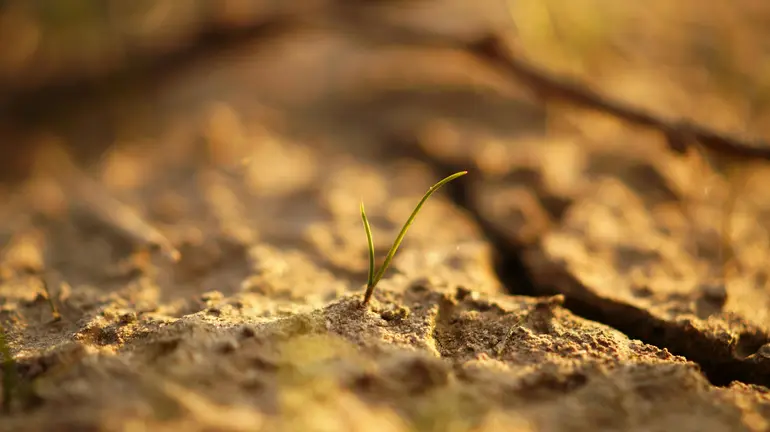
Image source: Pexels
According to BMKG, the early phase of the dry season will first occur in Nusa Tenggara before gradually expanding toward western regions of Indonesia.
The agency projects that the peak of the dry season will occur in August 2026. At that time, dry conditions are expected to affect several regions across the country, including central and southern parts of Sumatra, central to eastern Java, most areas of Kalimantan and Sulawesi, as well as Bali and Nusa Tenggara. Parts of Maluku, North Maluku, and Papua are also expected to experience the peak of the dry season during this period.
Longer and Drier Dry Season Compared to 2025
BMKG has warned that the dry season in 2026 could last longer and be relatively drier compared to the conditions experienced in 2025. The agency also predicts that the dry season may arrive earlier in several regions. As a result, some areas may face extended periods of dry weather throughout the year.
BMKG reported that the weak La Niña event that had previously affected Indonesia’s climate officially ended in February 2026.
At present, global climate conditions are in a neutral phase. However, monitoring of climate anomalies in the Pacific Ocean suggests there is potential for the development of El Niño around the middle of the year.
Head of BMKG Teuku Faisal Fathani explained that observations of global climate conditions in the Pacific Ocean show that the ENSO index is currently in a neutral state.
Seasonal Wind Shift Signals Dry Season

Image source: Unsplash
BMKG explained that one of the key indicators marking the start of the dry season in Indonesia is a shift in wind patterns. This transition occurs when the westerly winds, known as the Asian Monsoon, change to easterly winds, or the Australian Monsoon.
This shift brings drier air masses across much of Indonesia, signaling the start of the dry season.
Several regions are predicted to experience an earlier transition to the dry season, including much of Sumatra, Java, Bali, Nusa Tenggara, southern and eastern Kalimantan, most of Sulawesi, Maluku, and parts of Papua.
Farmers Advised to Adjust Planting Strategies
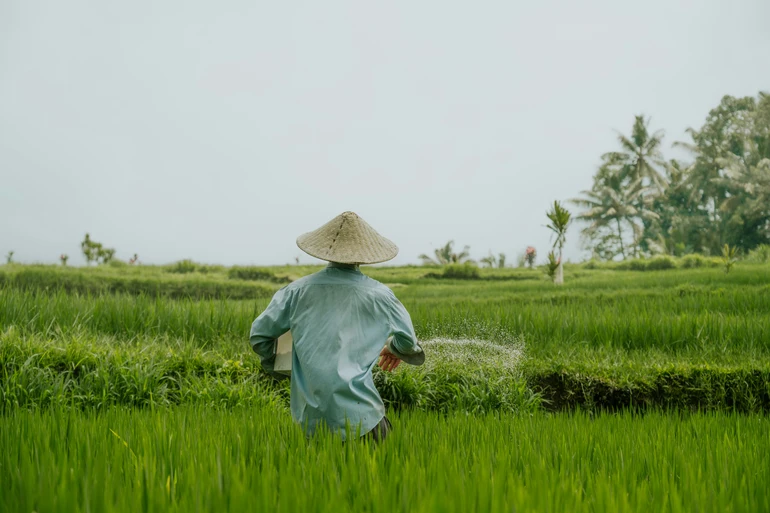
Image source: Unsplash
BMKG has also advised farmers to prepare for the expected conditions by adjusting planting schedules.
Farmers are encouraged to select crop varieties that require less water, are more resistant to drought, and have shorter harvest cycles. These adjustments are expected to help reduce the potential impact of the longer and drier dry season predicted for 2026.