

 Vincentius Alvin Yoga
 May 25, 2026
Bali is entering a new era of immigration enforcement as Indonesian authorities launch a strict crackdown targeting foreign influencers and digital creators working on tourist visas. Through a newly established enforcement unit called the Dharma Dewata Immigration Patrol Task Force, immigration officers are now actively monitoring social media, conducting patrols across Bali’s tourism hotspots, and detaining foreigners suspected of engaging in illegal commercial activities.
The message from authorities is increasingly clear: sponsored content, brand collaborations, barter stays, and even unpaid promotional shoots are now considered work under Indonesian immigration law and require the correct visa before entering the country.
Bali’s New Immigration Task Force Begins Active Enforcement
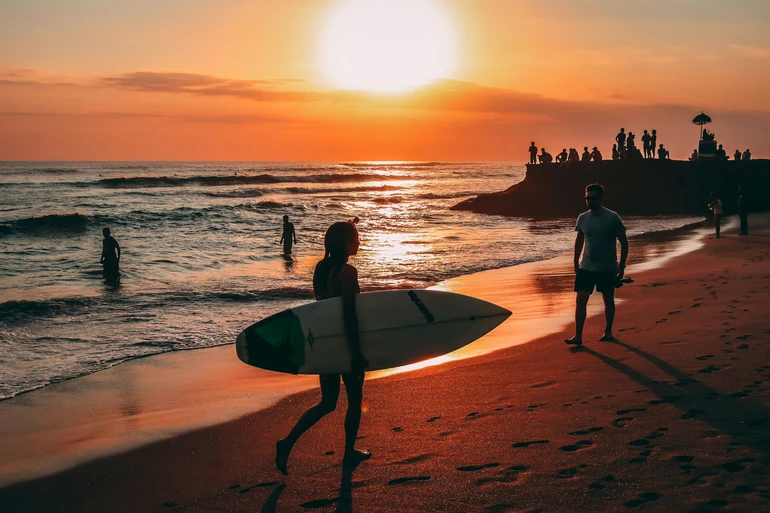
Launched in April 2026, the Dharma Dewata Immigration Patrol Task Force marks a significant shift from Bali’s previously relaxed approach toward foreign creators and digital nomads. Rather than waiting for reports or complaints, immigration officers are now carrying out active operations in popular expat and tourism areas including Canggu, Ubud, Seminyak, Kerobokan, and Uluwatu.
According to Bali immigration authorities, officers are also monitoring social media platforms to identify possible visa violations. Sponsored reels, tagged collaborations with hotels or restaurants, promotional wellness retreats, and branded content may now be used as evidence during enforcement operations.
In the first three weeks alone, the task force reportedly detained 62 foreign nationals during targeted inspections, signaling that the crackdown is no longer merely a warning but an actively enforced policy.
Sponsored Content and Barter Deals Now Classified as Work
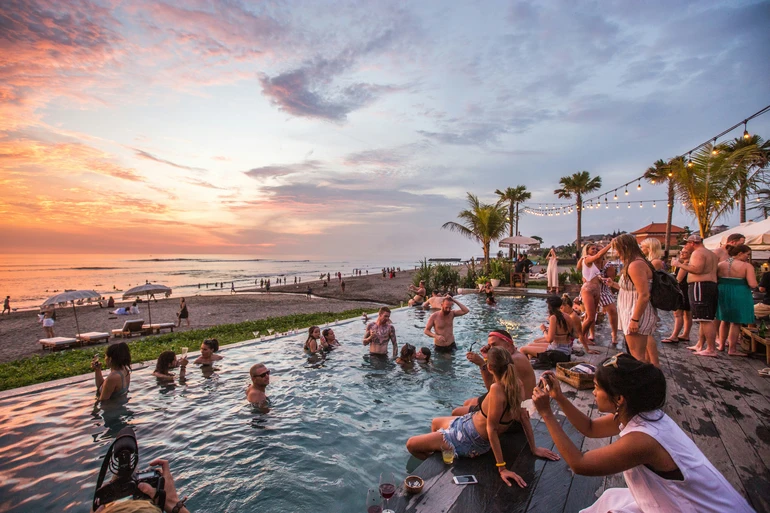
Indonesian immigration has drawn a firm line regarding what qualifies as commercial activity on the island. Authorities now classify a wide range of creator activities as illegal if conducted using a tourist visa or Visa on Arrival (VOA).
This includes sponsored social media posts, brand collaborations, photography and videography assignments,
barter agreements with hotels, villas, beach clubs, gyms, or restaurants, complimentary stays exchanged for promotional content, unpaid portfolio shoots, and workshops, DJ performances, yoga teaching, and certain volunteer activities.
Immigration officials emphasize that payment is no longer the defining factor. Even if no money changes hands, authorities may still consider the activity illegal if it generates promotional or economic value for a business.
For years, many creators operated under the assumption that receiving free accommodation or products instead of direct payment kept collaborations within a legal gray area. Under the updated interpretation, that argument no longer applies.
“Unpaid” Is No Longer a Valid Defence
One of the biggest changes catching influencers off guard is immigration’s position on unpaid promotional work. Officials now state that “work-like activities” can still violate immigration rules even when creators are not directly compensated.
If content is created for a venue, promotes a business, or supports a commercial campaign, authorities may treat it as employment or commercial activity regardless of whether payment was made through cash, accommodation, meals, experiences, or exposure.
This also applies to creators building portfolios or producing content intended to secure future commercial opportunities. Immigration officers are focusing on the nature and purpose of the activity rather than simply tracking financial transactions.
Authorities also clarified that Bali’s tourist levy fee, currently paid by international visitors upon arrival, does not grant permission to work or conduct business activities in Indonesia.
Penalties Include Deportation and Entry Bans
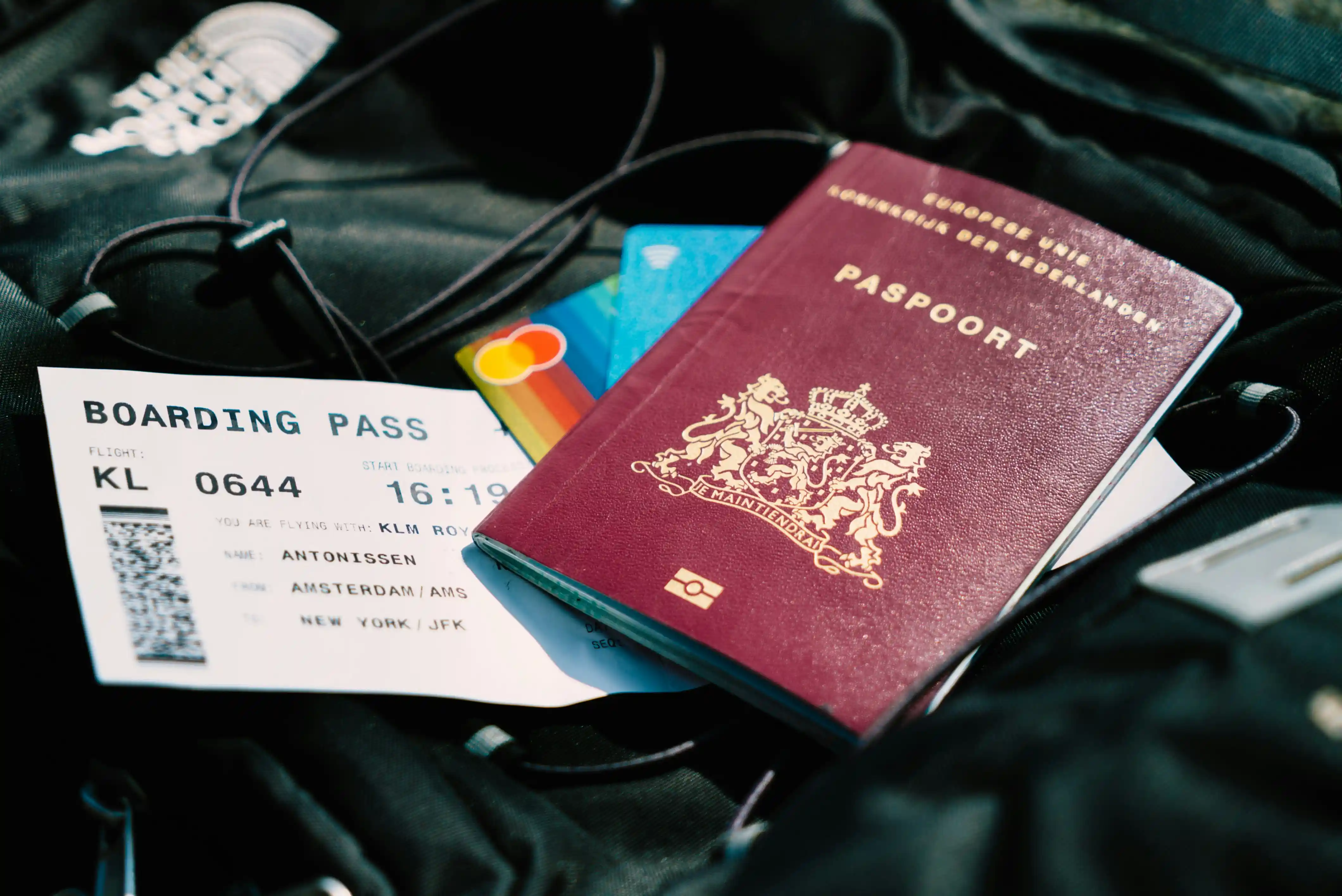
The consequences for violating Indonesian immigration law can be severe. Penalties may include financial fines, deportation, multi-year entry bans, permanent lifetime bans in serious cases For creators whose careers revolve around Bali-based content, the risks are substantial. A single immigration violation could impact future access to Indonesia permanently.
The latest enforcement push is also part of Indonesia’s broader effort to promote what officials describe as “quality tourism” while protecting local employment opportunities and tightening oversight of foreign economic activity.
Which Visas Are Actually Legal for Influencers
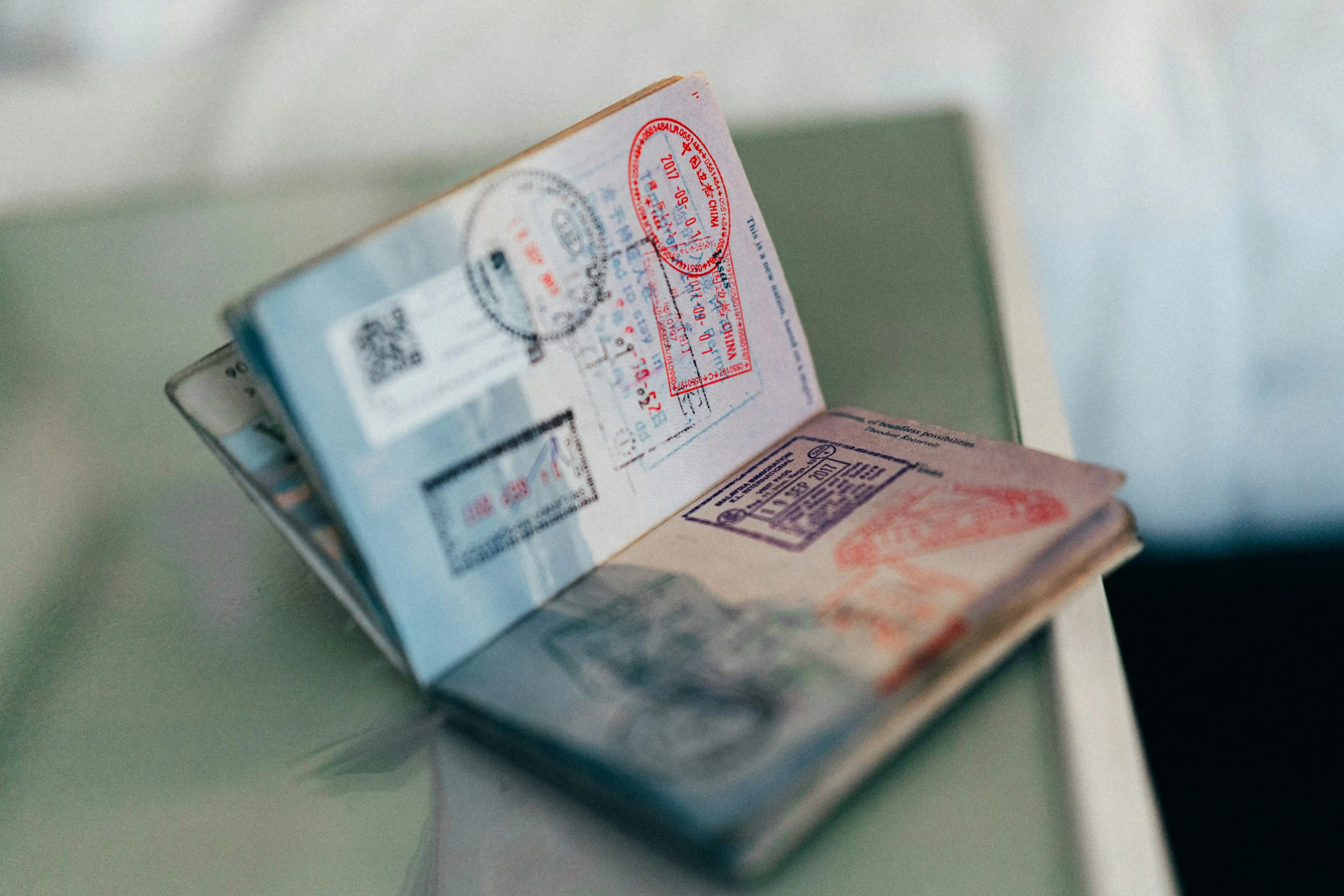
Indonesian immigration authorities stress that legal pathways for creators do exist, but travelers must apply for the appropriate visa before conducting any commercial activity.
For short-term influencer campaigns and content creation projects, the most suitable option is now generally the C5A Social Media Content Creator Visa. This visa is specifically intended for influencers, YouTubers, filmmakers, and digital creators working on sponsored content, social media campaigns, or collaborations in Indonesia. It is typically valid for 60 days and can be extended.
For long-term professional work with Indonesian businesses, foreign creators generally require a Working KITAS or E23 work permit sponsored by an Indonesian company. However, this permit is tied to a specific employer and job role.
Meanwhile, the E33G Remote Worker Visa is designed for digital nomads and remote workers earning income exclusively from overseas clients. Immigration experts note that this visa is generally not intended for creators collaborating directly with Indonesian venues, hotels, restaurants, or local sponsors.
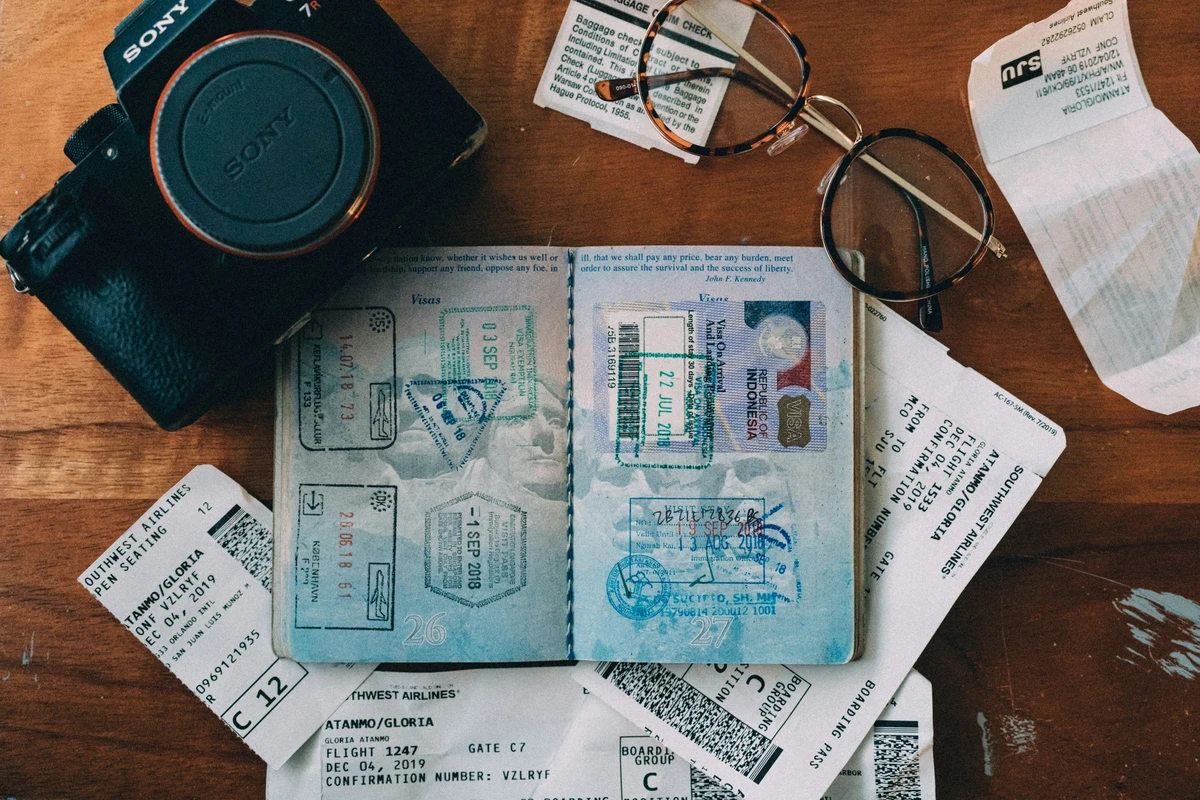
Authorities warn that many influencers still arrive using tourist visas or business visas before conducting paid collaborations and promotional work that may now be classified as illegal employment.
What This Means for Creators and Businesses

For years, Bali thrived on a loosely regulated creator ecosystem where international influencers, hospitality brands, wellness retreats, restaurants, and beach clubs frequently collaborated with minimal immigration scrutiny. That environment is now rapidly changing.
Foreign creators planning sponsored shoots, brand collaborations, or promotional campaigns in Bali are now being urged to secure the proper legal documentation before arrival. At the same time, local businesses working with international influencers are increasingly encouraged to verify visa status before launching campaigns or partnerships.
The crackdown signals the end of Bali’s long-standing informal tolerance toward influencer marketing conducted on tourist visas. With active patrols, social media monitoring, and dozens of detentions already reported, compliance is becoming essential for anyone hoping to work legally on the island.