



 Vincentius Alvin Yoga
 Apr 20, 2026
Despite the rise of digital payments and international travel cards, cash remains an essential part of daily transactions for many visitors in Bali. From entrance fees at popular attractions to small purchases at local shops, tourists still rely on physical currency, keeping money exchange kiosks relevant across the island. To better help tourists, Bank Indonesia Bali recently introduced a new information portal, moneychangerbali.com, so users can locate official money changers across Bali easily.
New Digital Portal to Guide Tourists
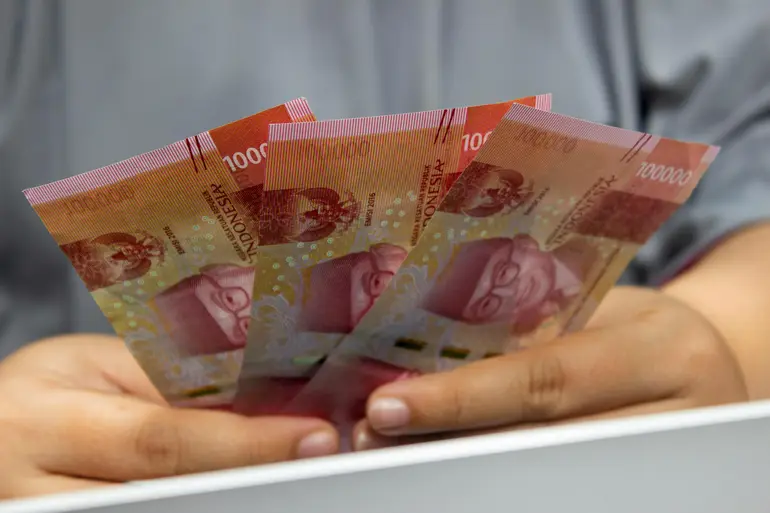
Bank Indonesia Bali recently launched a new information portal, moneychangerbali.com, which is integrated with the provincial government’s platform, lovebali.baliprov.go.id. This portal serves as an educational and practical resource, helping users locate officially licensed money changers across Bali. With clearer access to verified information, tourists can make safer choices when exchanging their currency during their stay.
Not only can users easily find nearby licensed money changer locations with real-time directions, but they can also report suspected illegal money changers and access a complete list of officially licensed operators from Bank Indonesia. All money changers listed on this portal follow strict security protocols enforced by Bank Indonesia for user protection, offering competitive and transparent exchange rates with no hidden fees or charges.
Stronger Oversight on Illegal Money Changers

Bali Governor Wayan Koster had a strategic meeting in Denpasar with Bank Indonesia and the Bali Foreign Exchange Affiliation (APVA) to address the issue of illegal money changers in key tourism areas such as Kuta, Legian, and Seminyak.
The Head of Bank Indonesia’s Representative Office for Bali Province, Erwin Soeriadimadja, emphasized that the institution will intensify efforts to crack down on illegal operators, including eliminating fraudulent practices that harm tourists. Bank Indonesia also reaffirmed its commitment to strengthening oversight of licensed non-bank money changers to ensure smooth and transparent operations.
In addition, Bank Indonesia has pledged to intensify monitoring efforts alongside relevant authorities and will conduct investigations to crack down on illegal KUPVA (non-bank foreign exchange businesses) operating in Bali. These measures are part of a broader push that requires strong coordination across multiple agencies.
Long-Term Plan and Practical Tips for Tourists
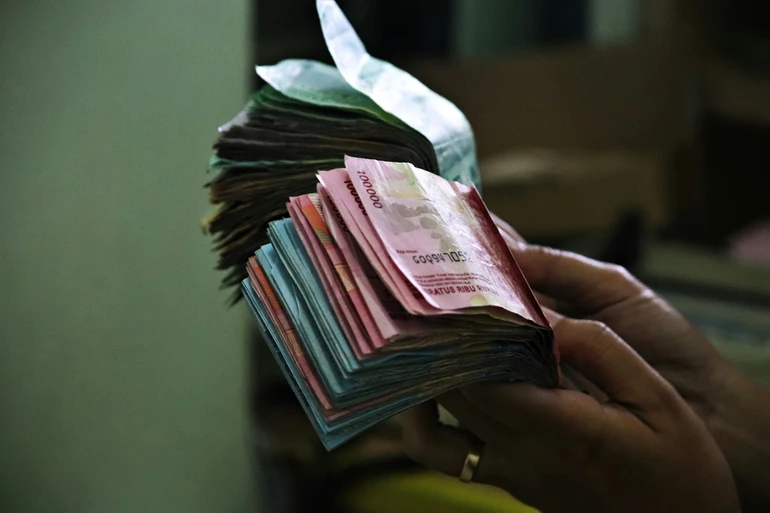
While the portal marks a significant step forward, the Chairman of APVA, Ni Made Tirtaningsih, noted that further action is needed to close legal loopholes that allow rogue money exchange outlets to operate. She confirmed that APVA is actively collaborating with Traditional Village Councils in major tourist hubs like Kuta, Legian, and Seminyak, providing training and legal guidance to ensure all operators comply with regulations.
Looking ahead, a five-year plan has been set in motion to completely eradicate illegal money changers and related scams in Bali. Under this plan, all money exchange outlets will be required to register formally with Bank Indonesia Bali and APVA.
For travelers, it is recommended to check the moneychangerbali.com website to find the nearest licensed outlet. Alternatively, currency exchange services are available at banks and upon arrival at Bali’s airport. While many restaurants, attractions, and tourism providers now accept card payments, carrying cash remains practical, especially for smaller transactions such as entrance tickets, local transport, or quick purchases.
As a simple tip, tourists should always exchange money at authorized counters, double-check the rates and final amount received, and avoid offers that seem unusually high. Using smaller denominations can also make daily transactions smoother, particularly when exploring local markets and attractions.