

 Vincentius Alvin Yoga
 Apr 07, 2026
Waste problems and waste management remain a growing daily challenge in Bali lately, as the island tries to balance environmental concerns with its position as one of Indonesia’s top tourism destinations.
According to data from the National Waste Management Information System (SIPSN), Bali generated around 3,436 tons of waste per day in 2025. Denpasar contributed the largest share with organic waste, mainly food scraps and garden debris, making up 68.32 percent of the total. And since the Suwung landfill (TPA Suwung) has no longer accepted organic waste since April 1, 2026, the waste problem has become even more significant.
In response to the significant number of waste, communities and industry players, particularly in the hospitality sector, are now working side by side to address the issue alongside ongoing government efforts to manage waste.
Mounting Pressure on Waste Systems
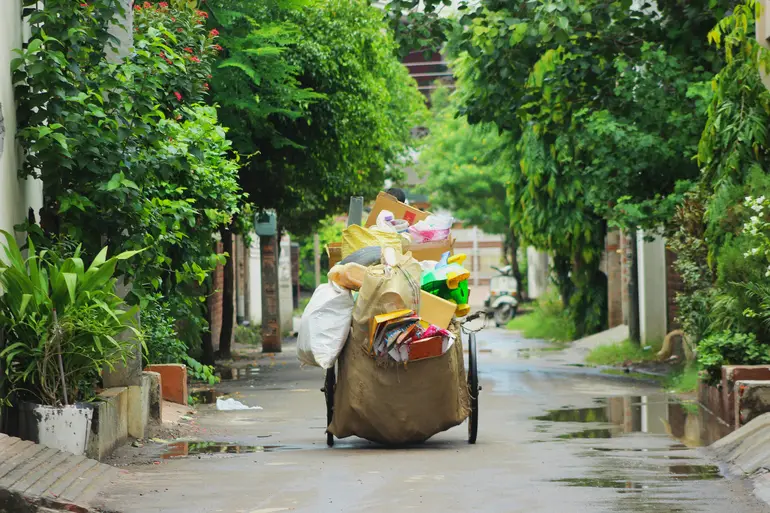
Image source: Pexels
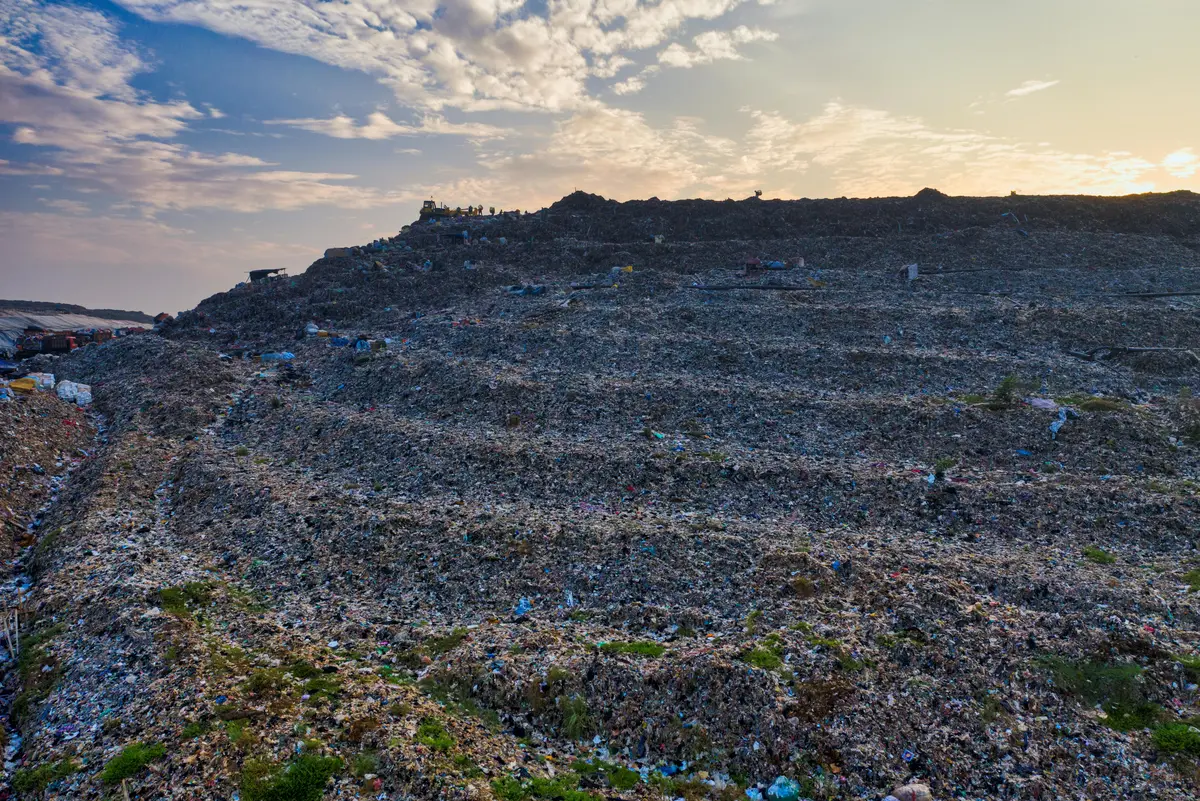
I Made Dwi Arbani, Head of Waste and Hazardous Waste Management at the Bali Provincial Environmental Agency, said the island is facing serious structural challenges. These include overcapacity at landfill sites (TPA), limited land availability, and a steady rise in waste volume each year.
The impact is increasingly visible. Waste scattered along roads, odors from landfills, open burning (which is actually not a solution for waste problems in Bali), and even social conflicts linked to waste management are becoming more common. These issues are not only environmental concerns but are also seen as potential threats to Bali’s tourism-driven economy. Authorities stress that a shift in waste management practices must happen quickly, on a large scale, and in a more structured way.
Policy Shifts and Calls for Source-Level Action
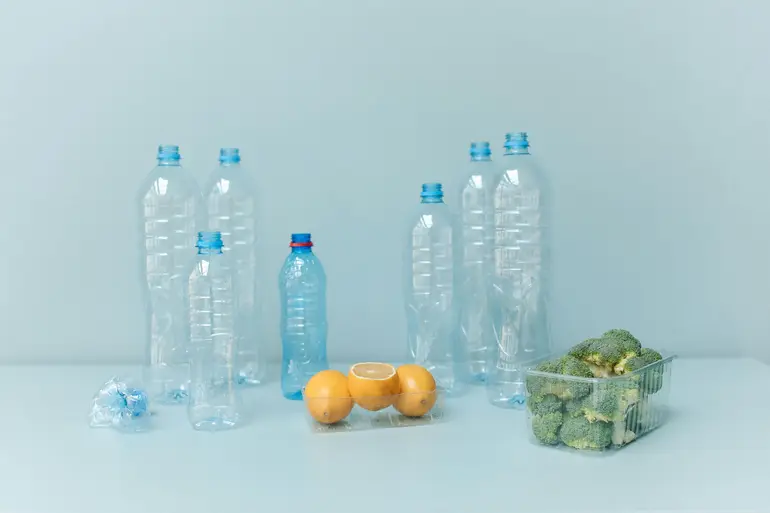
Image source: Pexels
In response, residents are now being urged to separate organic and non-organic waste at the source, with organic waste no longer transported to Suwung landfills. Communities and businesses encouraged to sort waste into at least three categories: organic, recyclable non-organic, and residual waste. Processing organic waste at the household or village level, which are through composting, biogas systems, or other methods, is seen as a key step forward.
Officials and environmental advocates are also calling for a reduction in single-use materials, including plastic and paper-based products. Even so-called biodegradable plastics have come under scrutiny, with experts warning they often contain additives that do not fully decompose and may contaminate compost, raising concerns over greenwashing.
Grassroots Initiatives Offer Local Solutions
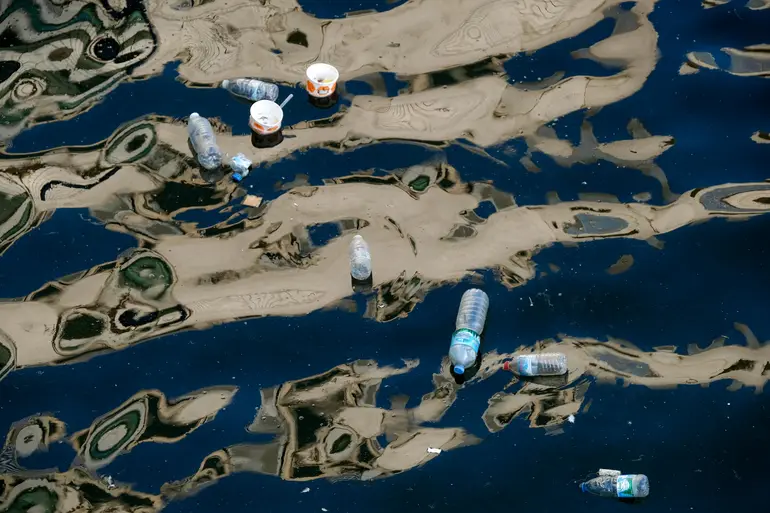
Image source: Pexels
Across Bali, local communities have started developing their own waste management systems. In Desa Adat Cemenggaon for example, a community-led initiative called Pesan-Pede focuses on independent rural waste management using a teba modern system. Around 70 percent of organic waste is processed locally, while about 20 percent of inorganic waste is handled through a waste bank. A similar approach has been taken in Desa Tegal Kertha in Denpasar, where each alley now has two teba modern units to help manage waste.
Meanwhile, Banjar Tegeh Sari has established a foundation that provides categorized waste bins and runs education programs for residents and schools. Organic waste is processed within the community, while residual waste is transported to landfills.
In Gianyar, Umah Pupa, in collaboration with the local Environmental Agency, has introduced the use of Black Soldier Fly (BSF) larvae to process organic waste. At the TPS3R facility in Desa Adat Bitera, around 300 kilograms of food waste are consumed daily by larvae, producing maggot-based animal feed and organic fertilizer as byproducts.
Industry Participation and Sustainable Practices
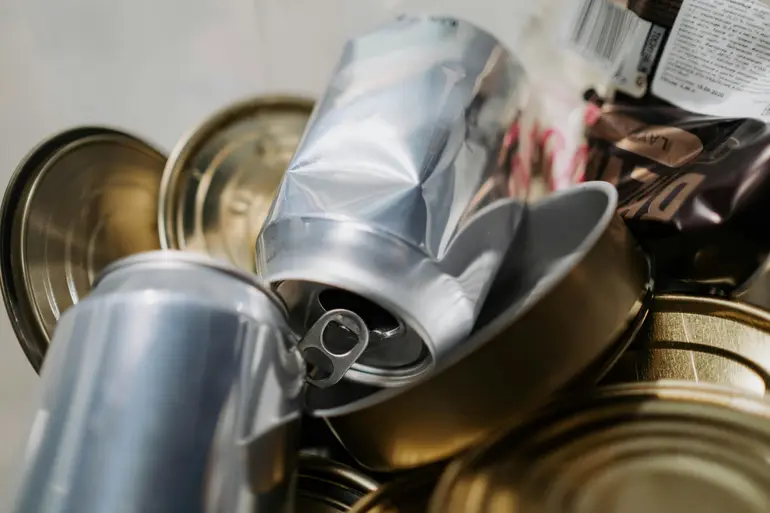
Image source: Pexels
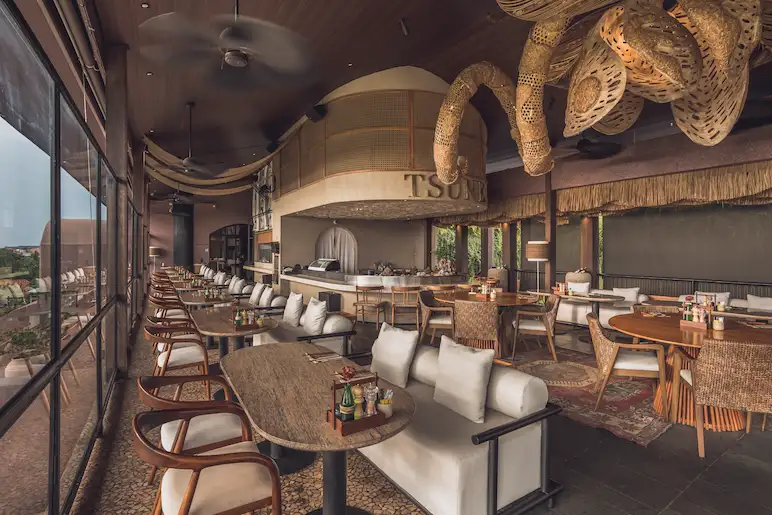
The private sector is also beginning to respond. Several hotels in Bali have implemented their own waste solutions, particularly for food waste. Grand Hyatt Bali operates its own maggot farm, while Alila Villas Uluwatu and COMO Shambhala Estate (also COMO Uma Canggu and COMO Uma Ubud) have partnered with MagiFarm to manage organic waste more sustainably.
At the individual level, residents are encouraged to adopt more sustainable habits, such as bringing reusable containers, reducing single-use items, and composting at home. Expanding local waste processing facilities, including TPS3R and integrated waste management sites (TPST), is also part of the broader effort.
Shared Responsibility to Fix the Problem
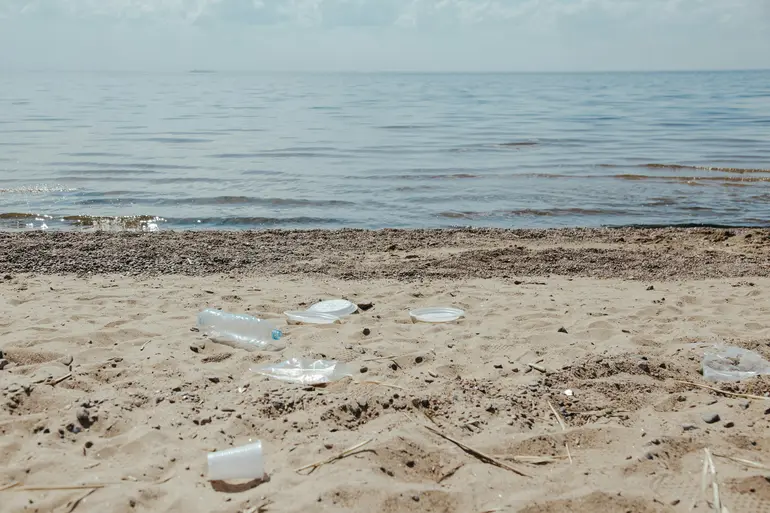
Image source: Pexels
There is no single fix to Bali’s waste problem. A comprehensive, integrated approach is needed, one that involves government, communities, and businesses working together. Communities need to better understand the impact of waste and continue reducing the use of single-use items in daily life. Meanwhile, industry players must also deepen their commitment to sustainability by minimizing so-called biodegradable products that can amount to greenwashing, and instead shift toward more durable, long-term alternatives such as wood, glass, or aluminum.
For those in Bali who want to manage their own waste, Black Soldier Fly (BSF) maggots can be used to process food scraps. They are available through e-commerce platforms (with very affordable price) or local farms such as MagiFarm. Alternatively, you can use waste collection services like ecoBali for regular waste management, or bring your organic waste to designated drop-off points such as TPS3R Sesetan if needed.
Beyond infrastructure, there is also a growing call to adopt a circular economy mindset, where waste is minimized and resources are reused. At the same time, stronger government oversight and consistent implementation of policies will be critical to ensure long-term impact.
As Bali continues to grow, managing waste effectively is no longer just an environmental issue, it has become essential to the island’s future.