Exclusive Interview: Hotel Executive Chef Yudhistira Angga Tirta of Sadrasa Kitchen & Bar
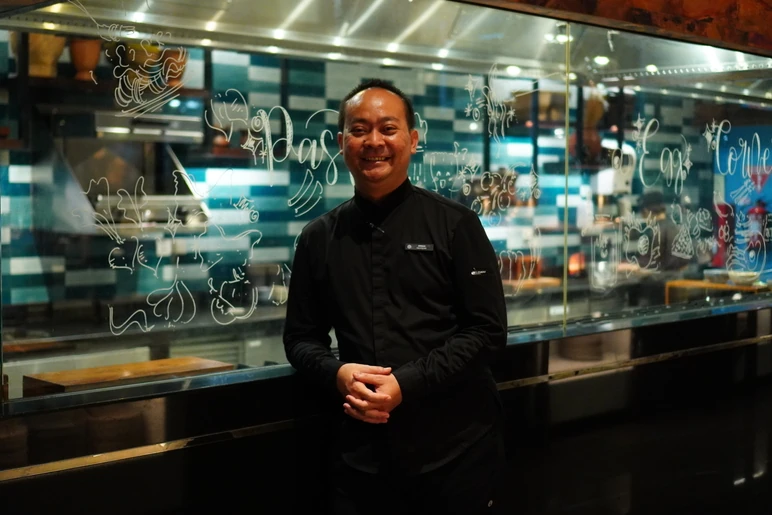
Hotel Executive Chef Yudhistira Angga Tirta shares how Sadrasa Kitchen & Bar at Pullman Bandung Grand Central brings together Indonesian flavours, culinary creativity, and sustainability.
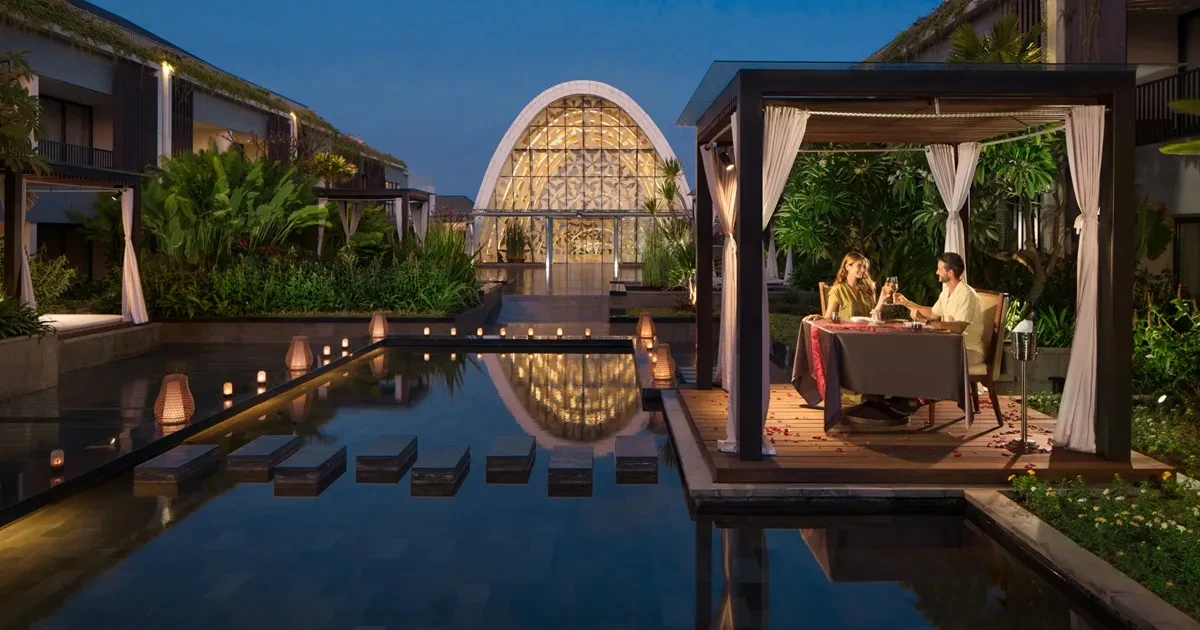
At Sadrasa Kitchen & Bar, the culinary philosophy centres on celebrating diverse flavours while balancing tradition, modern innovation, and environmental responsibility. Inspired by the six essential tastes of the human palate, Sadrasa brings together Indonesian signature dishes and international influences.
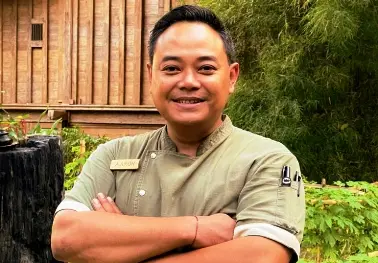
We sat down with Chef Yudhistira Angga Tirta to discuss his culinary journey, Bandung's evolving food scene, and the role of sustainability in the restaurant's everyday kitchen operations.
Q: Could you tell us a little about your journey as a chef? What first sparked your interest in cooking?
Cooking has been my passion since childhood, and I gradually realised I wanted to pursue it professionally. Throughout my career, I’ve gained international experience in the Middle East and the Caribbean, which broadened my perspective on culinary creativity, quality standards, and understanding guests from different cultures. These experiences continue to shape my approach to cooking today.
Q: How would you describe Sadrasa Kitchen & Bar to someone visiting for the first time?
Sadrasa refers to the six essential tastes of the human palate, celebrating the richness and harmony of flavours. It brings together signature local dishes and international culinary influences, offering guests a memorable dining experience with a focus on responsible practices. Our philosophy is to balance tradition and innovation, introducing new interpretations while preserving the original character and identity of each dish.
Q: Bandung has a highly competitive culinary scene, with new restaurants and food concepts constantly emerging. How do you see this competition?
Rather than seeing it as a challenge, I see Bandung's culinary competition as something positive. People here have a strong connection with food, with diverse dining options and increasingly high expectations. This encourages us to keep improving instead of becoming too comfortable with what we have achieved.
We constantly evaluate different aspects of our restaurant, from food quality and flavour consistency to menu creativity, service, atmosphere, and the overall value we offer to guests.
However, I believe differentiation does not always mean creating something completely new. Sometimes, the greatest strength lies in taking something familiar, such as traditional cuisine, and presenting it with a different level of quality, storytelling, and dining experience.
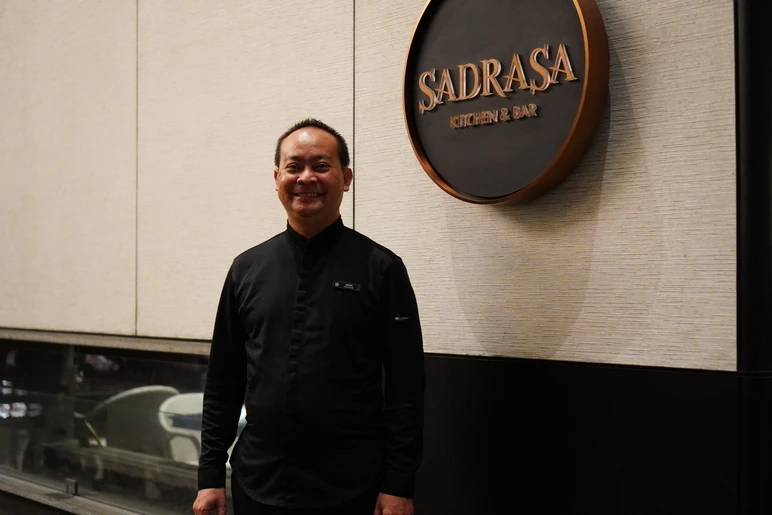
For Sadrasa, sustainability is also part of that differentiation. We want to demonstrate that a premium restaurant can remain relevant and creative while being responsible towards the environment and local communities.
Ultimately, our goal is not simply to compete in today's culinary scene, but to build long-term trust and loyalty with our guests.
Q: Sustainability has become an increasingly important conversation in the hospitality industry. How does Sadrasa Kitchen & Bar put this into practice?
For us, sustainability is not simply a popular trend. It is a responsibility that needs to translate into real actions within our daily operations.
In the kitchen, we understand that every decision has an impact. It starts with the ingredients we select, how we prepare and store food, how we use water and energy, and how we manage food waste.
We encourage the use of locally sourced ingredients whenever they meet our standards for quality, food safety, and supply consistency. We also focus on better production planning, portion control, minimising food waste, and making the most of ingredients without compromising the quality of our dishes.
Beyond environmental considerations, sustainability also means supporting local suppliers, preserving regional culinary heritage, and continuously developing our team's skills.
We believe the success of these efforts should not be measured by what we say, but by how consistently we put our commitments into practice and continue improving them.
Q: Pullman Bandung Grand Central is also working towards sustainability standards, including the Green Globe certification. What initiatives have you and your kitchen team implemented as part of this commitment?
Our approach is guided by the Accor Good Food Policy, which translates sustainability principles into practical kitchen standards.
Key commitments include ensuring that at least 50% of our overall menu is vegetarian, developing low-carbon recipes, serving responsibly sourced coffee, tea, and cocoa, supporting organic agriculture, prioritising local suppliers and seasonal products, and avoiding endangered fish species. We also support animal welfare by transitioning to cage-free eggs.
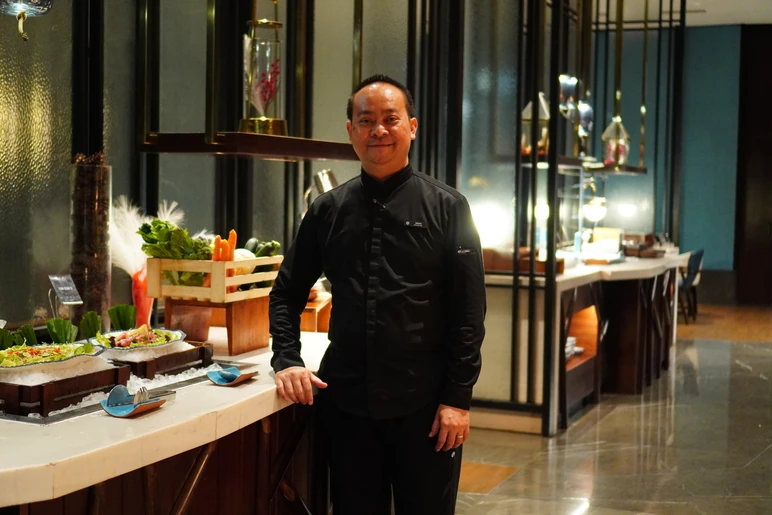
Food waste management is another important initiative. We use a digital monitoring system to weigh and record food waste, helping us identify what is being discarded and improve our production planning. As the saying goes, you cannot control what you don't measure.
We have also achieved 100% removal of targeted single-use plastics across our Back of House operations. These include disposable gloves, tasting spoons, baking transfer sheets, moulds, aprons, piping bags, and cling film. Similar efforts extend to housekeeping and other operational areas.
Water management is equally important. We regularly monitor water usage, adjust water flow where necessary, and encourage our Heartists (Accor's term for its employees) to adopt more water-conscious habits through training and daily awareness.
Treated water is also reused for garden irrigation and chiller operations. Together, these initiatives contributed to a 28% reduction in water consumption in 2025 compared with 2024, with further improvements planned for 2026.
All these efforts reflect our commitment to making responsible practices part of our everyday operations, rather than treating them as separate initiatives.
Q: Why do you think sustainability matters to the dining experience, and how does it influence guests?
I believe the hospitality industry has a responsibility that goes beyond providing good products and excellent service. We also have a responsibility towards the environment, our communities, and future generations.
From the consumer's perspective, sustainability is becoming increasingly relevant. Guests are not only interested in what they eat, but are also starting to pay more attention to where ingredients come from, how food is produced, and how a business fulfils its responsibilities.
However, I want to emphasise that sustainability should never make the dining experience less special. At Sadrasa, flavour, food safety, ingredient freshness, creativity, and service remain our priorities.
The challenge for us as chefs is to create a premium culinary experience while using resources more wisely. When guests enjoy a delicious dish, discover locally sourced ingredients, and understand the story behind it, we hope they take away something more meaningful from the experience.
Sustainability does not mean compromising quality or luxury. Instead, I see it as redefining what premium quality means by considering not only the experience we deliver, but also its impact on the environment and society.
Q: Are there any particular dishes at Sadrasa that reflect this sustainable culinary philosophy?
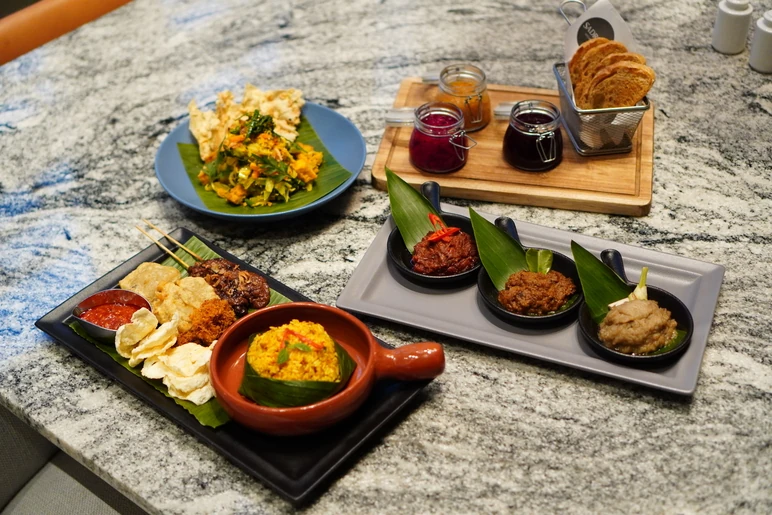
Creating a more sustainable menu does not always require rare or expensive ingredients. Sometimes, everyday ingredients have extraordinary culinary potential.
At Sadrasa, we aim to highlight Indonesia's rich ingredients and flavours, particularly those from West Java, using techniques that bring out their potential while meeting the standards of a premium restaurant.
We also explore ways to make better use of ingredients, reduce unnecessary waste, and ensure that every part used meets our food safety and quality standards.
Dishes such as Nasi Goreng Cikur celebrate local vegetables and Sundanese culinary traditions, while Sate Diponegoro presents Nusantara-inspired flavours through a more modern approach.
Our culinary team also experiments with ingredients that might otherwise be discarded, such as watermelon rinds, carrot trimmings, orange peels, dragon fruit skins, and beetroot flesh. Rather than treating them as waste, we see them as opportunities to create new flavours while telling stories about local ingredients, culinary culture, and responsible resource management.
Q: Looking ahead, what can guests expect from Sadrasa Kitchen & Bar in the coming months?
I believe the future of the culinary industry is not just about creating exciting dishes, but also about how responsibly we run our kitchens and businesses. As chefs, we can make a difference through everyday decisions, from choosing ingredients to guiding our teams.
At Sadrasa, we want to keep showing that great flavours, premium dining, local culinary heritage, and sustainability can go hand in hand. We will continue exploring new ideas and creative ways to minimise food waste while making our kitchen more responsible.
Looking ahead, guests can also expect special offerings for the year-end festive season, followed by Ramadan and Lunar New Year, with exciting promotions and dining experiences planned for each celebration.
Ultimately, I believe a truly special dish is not just about what guests see on the plate, but also the thought, creativity, and responsibility that go into creating it.
Pullman Bandung Grand Central
Jl. Diponegoro No.27, Bandung
Discover More


Related Articles