


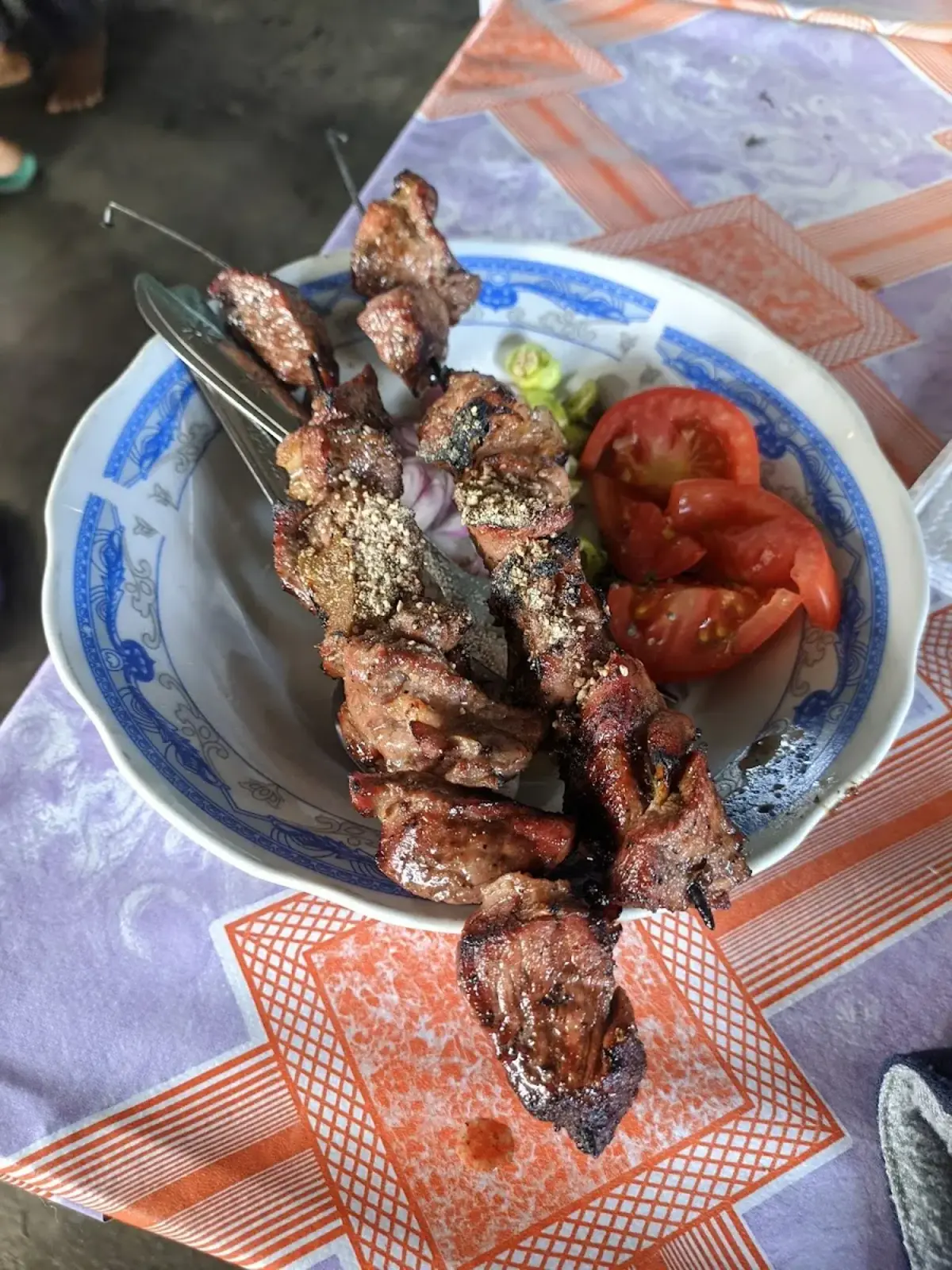
 Annissa Wulan
 Apr 07, 2026
Beyond the heritage sites and royal palaces, the heart of Yogyakarta’s culinary soul beats in the district of Bantul. While the city center offers trendy cafes and modern fusion, Bantul remains the guardian of "Masakan Dusun"—rustic, traditional flavors that have remained unchanged for decades.
For the discerning traveler seeking an authentic gastronomic journey, these four legendary establishments are more than just eateries; they are cultural landmarks. Here is your essential guide to the flavors that define Bantul.
Sate Klatak Pak Pong: The Minimalist Masterpiece
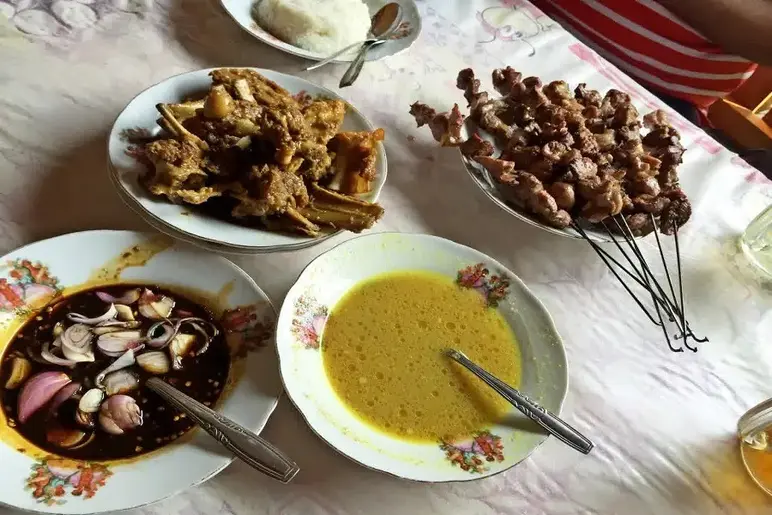
While traditional satay is usually doused in thick peanut sauce, Sate Klatak is famous for its bold simplicity. Pak Pong is arguably the most iconic purveyor of this dish.
The Dish: Young goat meat (mutton) skewered on iron bicycle spokes rather than bamboo. The iron acts as a heat conductor, cooking the meat perfectly from the inside out.
The Flavor Profile: Seasoned only with salt and a hint of pepper, the meat's natural succulence takes center stage. It is served with a thin, savory curry broth (gulai) that adds a layer of warmth without overpowering the smoky, tender mutton.
Sate Kambing Sor Talok: The Hidden Gem for Mutton Connoisseurs
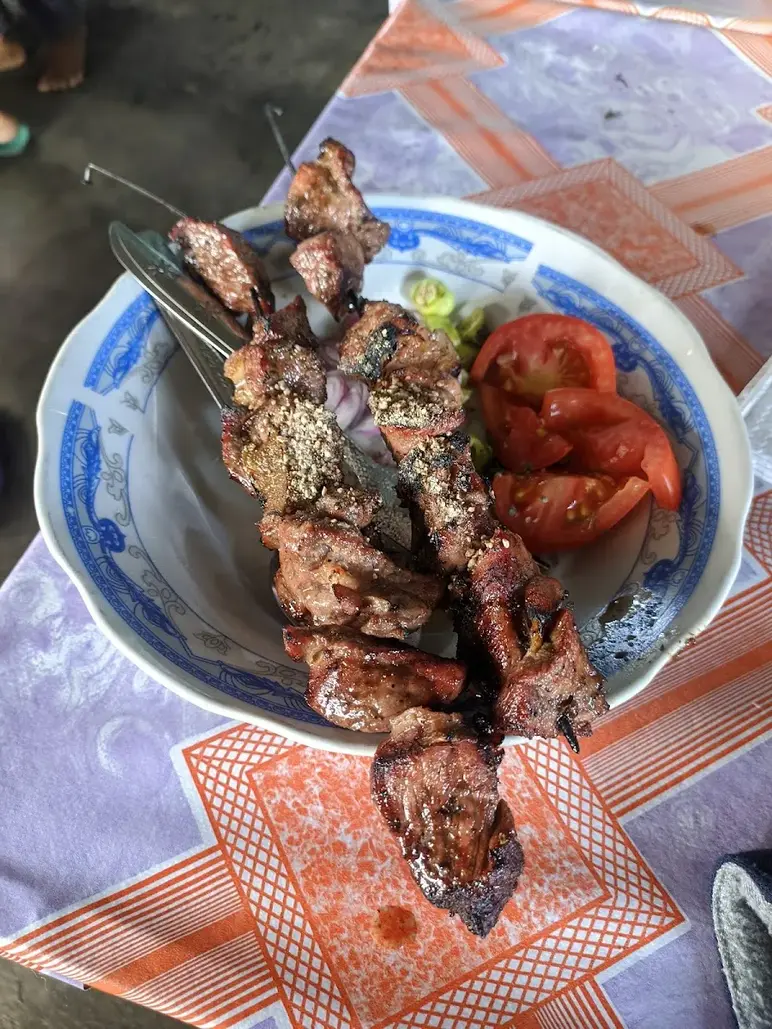
Nestled under the shade of a Talok tree, this spot offers a more robust take on mutton dishes. It is a favorite for those who prefer their meat with a deeper, more caramelized finish.
The Dish: A variety of mutton preparations, including Sate Bakar (grilled satay) and Tongseng (a spicy, cabbage-filled stew).
The Flavor Profile: Unlike the minimalist Klatak, the satay here is often glazed with a rich, sweet soy sauce base. The meat is exceptionally tender, known for lacking the "gamey" aroma often associated with goat, resulting in a savory-sweet explosion that melts in your mouth.
Mangut Lele Mbah Marto: A Smoky Village Secret
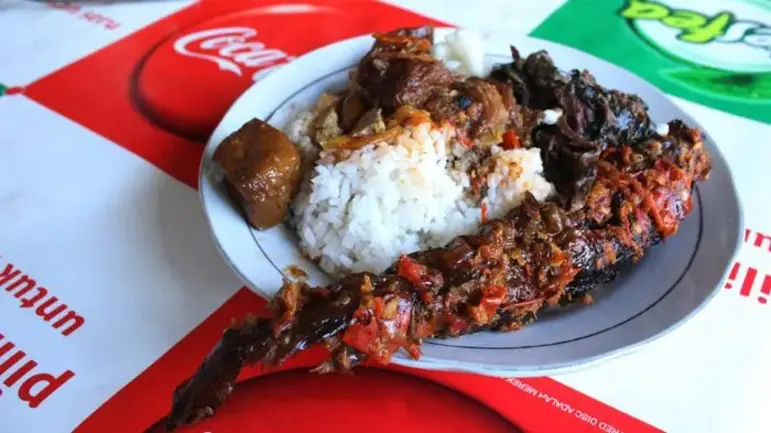
Hidden within the narrow alleys of a residential village, Mbah Marto’s kitchen offers a truly immersive "Pawon" (traditional kitchen) dining experience.
The Dish: Catfish (Lele) that is first skewered and smoked over wood fires for hours, then simmered in a spicy coconut milk gravy.
The Flavor Profile: The smoking process gives the fish a firm texture and an intense woody aroma. The Mangut sauce is a complex blend of bird's eye chilies, galangal, and turmeric, delivering a slow-burning heat balanced by the creaminess of fresh coconut milk.
Ayam Goreng Mbah Cemplung: The King of Village Fried Chicken
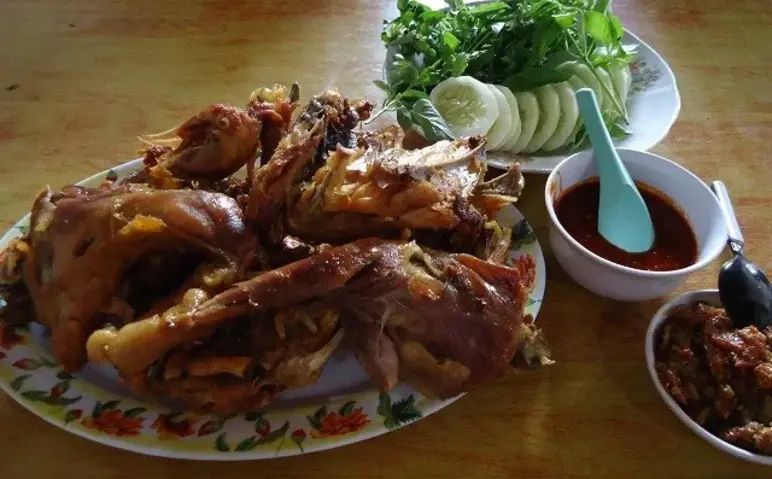
Located in the hilly area of Kasihan, Bantul, this legendary spot proves that not all fried chicken is created equal.
The Dish: Ayam Kampung (free-range village chicken) that is boiled in a secret blend of traditional spices and coconut water before being deep-fried to a golden crisp.
The Flavor Profile: Because it uses free-range chicken, the meat is leaner and more flavorful than broiler chicken. It strikes a perfect balance between a salty, crunchy exterior and a juicy, savory interior. It is traditionally served with a side of extra-spicy sambal and fresh local greens.
Mie Lethek Mbah Mendes: The "Ugly" but Healthy Noodle
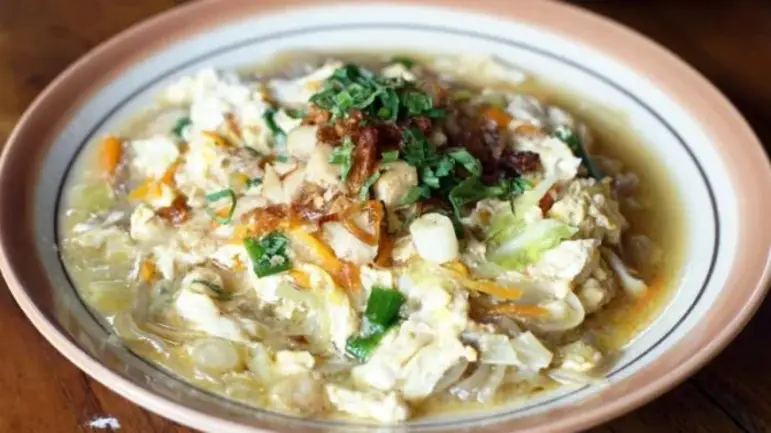
In a world of instant processed foods, Bantul preserves a 100-year-old tradition called Mie Lethek. The name literally translates to "dirty noodles," but don't let that fool you.
The Dish: Thick noodles made from cassava flour and rice, produced using a massive stone mill driven by a water buffalo. It’s "dirty" because it uses no bleach or preservatives, resulting in a natural greyish-brown color.
The Flavor Profile: Cooked over a traditional charcoal stove (anglo), the texture is much chewier than standard wheat noodles. It has a mild, earthy sweetness that absorbs the savory broth of eggs, shredded chicken, and local spices perfectly.
Ingkung Tenong Waroeng Tedoeh: The Royal Village Banquet
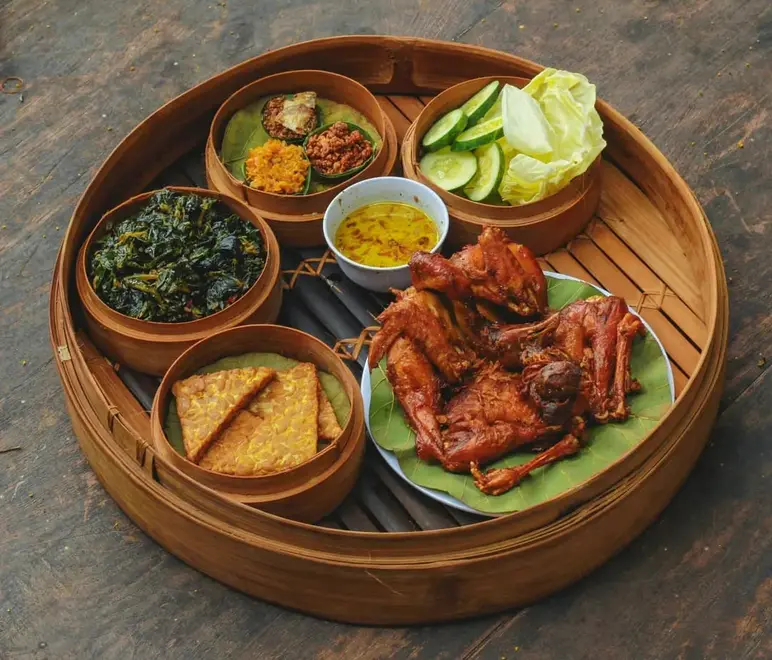
Ingkung is a ritual dish in Javanese culture, usually served during ceremonies. In Bantul, particularly at spots like Waroeng Tedoeh, it has become a legendary culinary attraction.
The Dish: A whole Ayam Kampung (free-range chicken) slow-cooked in a rich, thick coconut milk broth until the liquid evaporates, leaving a concentrated spice paste.
The Flavor Profile: It is incredibly rich (gurih). The meat is so tender it falls off the bone, infused with the sweetness of coconut and the aromatic punch of candlenut and turmeric. It’s typically served in a tenong (traditional bamboo basket), adding to the rustic charm.
Thiwul Ayu Mbok Sum: The Heritage Dessert
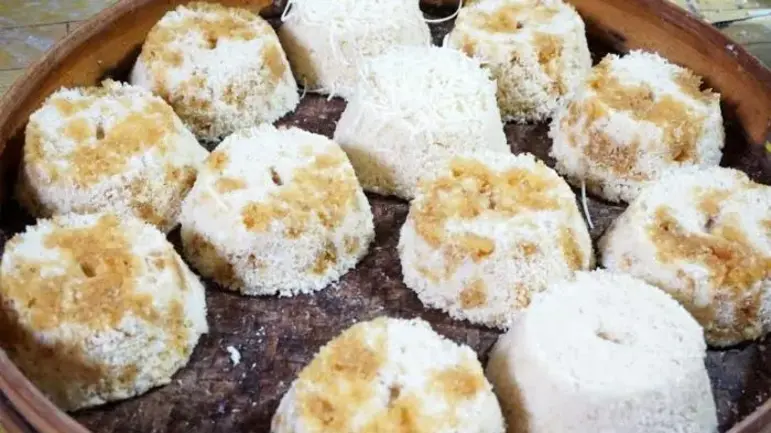
Located in the scenic Mangunan area, this is the ultimate "old-school" snack that has gained a massive following in recent years.
The Dish: Made from dried cassava (gaplek), thiwul was once a staple food during the colonial era. Mbok Sum has elevated it into a legendary treat with various modern toppings like chocolate or cheese.
The Flavor Profile: It has a unique granulated texture—light, fluffy, and slightly chewy. The original version, served with freshly grated coconut and palm sugar, offers a nostalgic, subtle sweetness that perfectly complements the cool breeze of the Bantul highlands.