


 Rani Permata
 Aug 06, 2026
“Why Yogyakarta Has Always Been a Wellness Destination”
Wellness may be one of today’s fastest-growing travel trends, but in Yogyakarta, it’s essence has existed for centuries. Long before wellness became associated with luxury retreats or holistic escapes, it was already woven into the region’s philosophy, traditions, and a way of life.
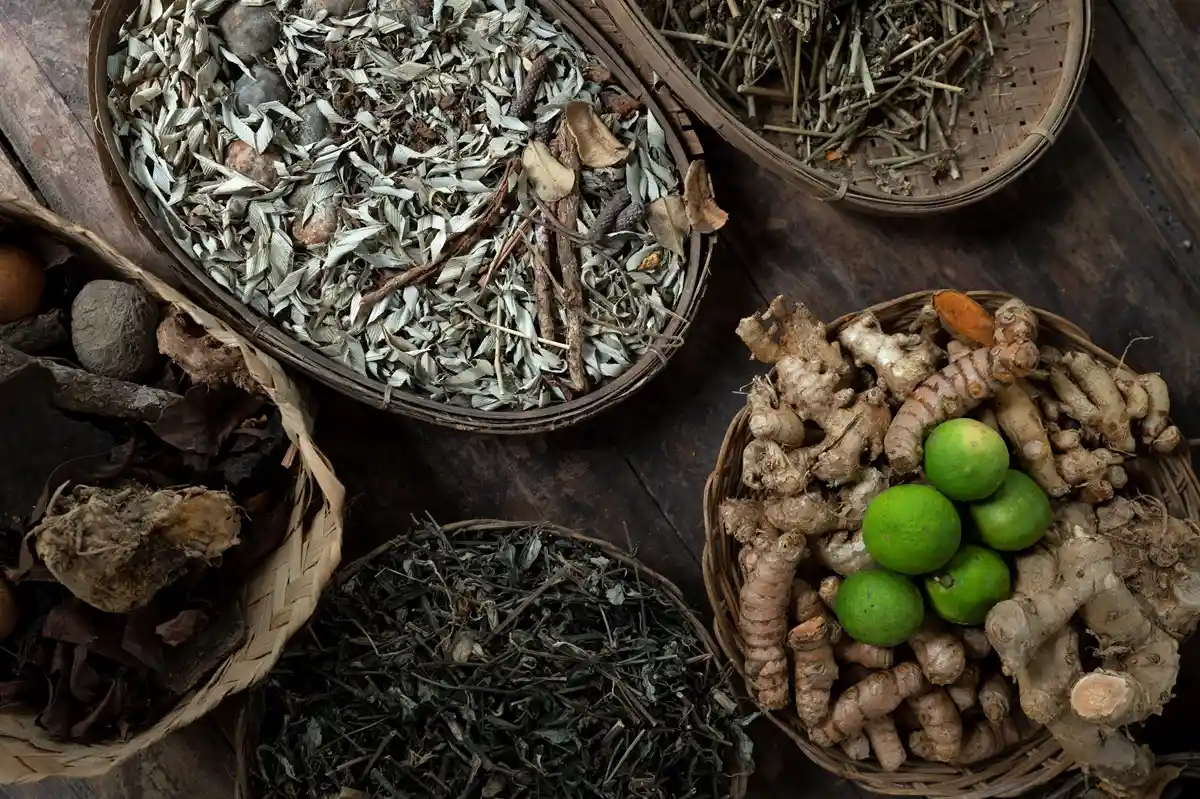
One of its oldest expression is jamu, Indonesia’s traditional herbal medicine. Its origin date back to at least the 8th century, with depictions believed to appear in the Karmawibhangga reliefs of Borobudur Temple. Over generations, the knowledge of herbal remedies was carefully preserved through ancient manuscripts and further nurtured within the royal courts of the Yogyakarta Sulatanate and Puro Pakualaman, where jamu became part of a broader philosophy of living in balance.
That philosophy extends far beyond herbal remedies. In Javanese culture, values such as Hamemayu Hayuning Bawana (preserving harmony between humanity, nature, and the Creator) and Memayu Hayuning Sasama (bringing goodness and balance to others) have long shaped everyday life. Wellness, in this sense, is not simply about physical health, but about living with awareness, harmony, and purpose.
These principles are also reflected in Yogyakarta’s living traditions. The meticulous process of creating batik, the rhythmic weaving of lurik textiles, and other time -honoured crafts are more than artistic expressions. They invite patience, presence, and intentionally, qualities that today are widely recognised as the foundation of mindfulness. Here, culture itself becomes a pathway of wellbeing.
As travellers increasingly seek authority over conventional luxury, Yogyakarta offers something few destinations can replicate. Wellness is found not only in spa rituals or yoga sessions, but also in sharing a cup of freshly prepared jamu, learning a centuries-old craft, walking through peaceful villages, and embracing a slower rhythm of life rootend in local wisdom.
At Garrya Bianti Yogyakarta, these values inspire the way wellbeing is experienced. Rather than introducing something new, the resort seeks to thoughtfully interpret what has long been part of Yogyakarta’s identity. Through experiences such as jamu making, mindful dining, yoga, floating sound healing, and immersive cultural activities, guests are invited to connect more deeply with the destination and with themselves.
“Wellbeing is not something we create. It has always been part of Yogyakarta’s cultural identity.Our role is to thoughtfully interpret that heritage, allowing guests to experience the destination in a way that feels authentic, meaningful, and deeply personal,” said Ratih Handayani, General Manager of Garrya Bianti Yogyakarta.
Perhaps Yogyakarta does not need to become Indonesia’s wellness destination. It has always been one. What is changing today is that more travellers are beginning to discover what the people of Yogyakarta have understood for generations. As true wellbeing is cultivated through harmony with nature, meaningful human connection, and a deept respect for culture.