


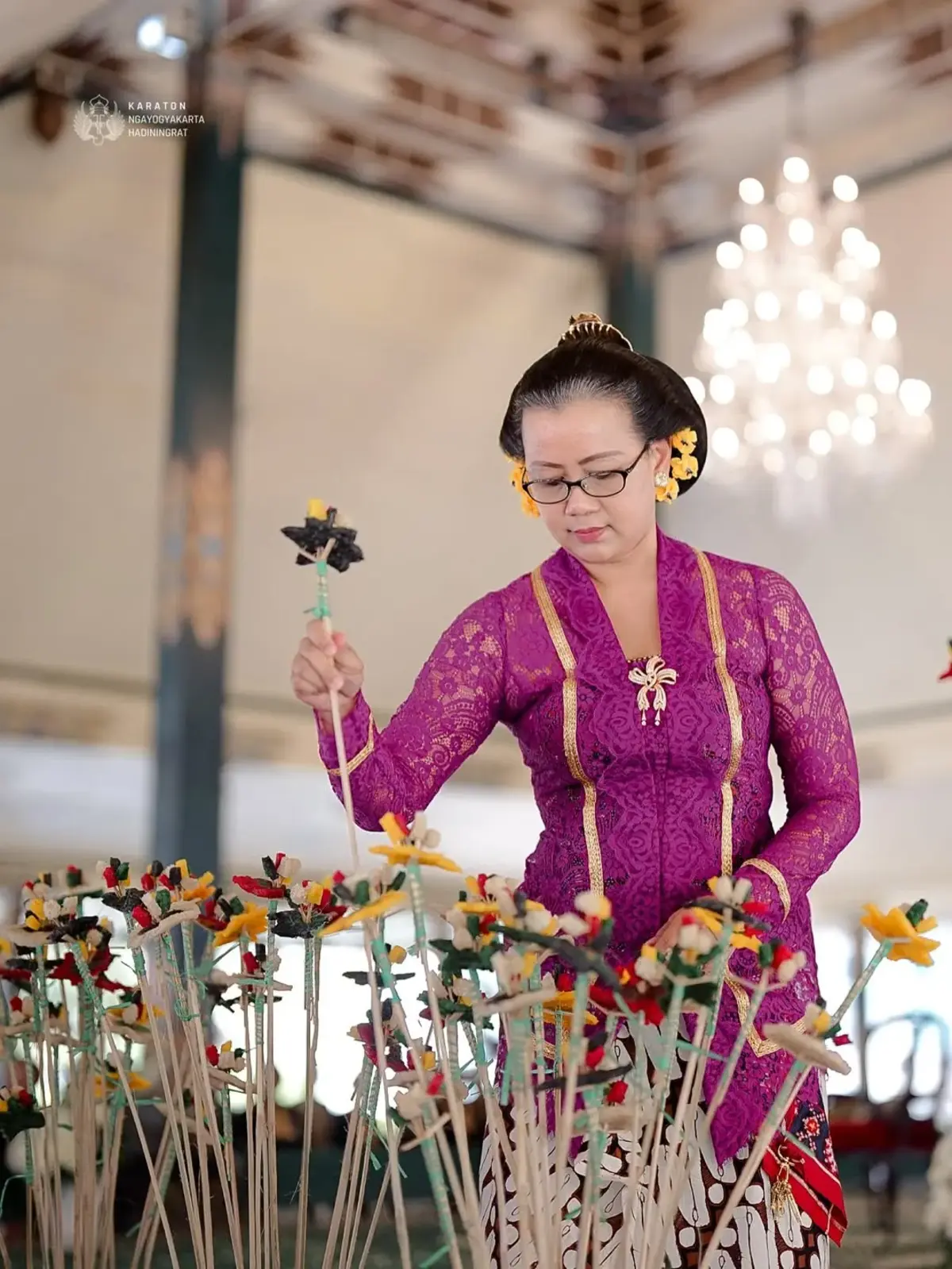
 Annissa Wulan
 Mar 24, 2026
In the heart of Java, the end of Ramadan doesn't just signal a return to routine. In Yogyakarta, the period of Syawal—the month following Eid al-Fitr—is a grand symphony of spirituality, royal etiquette, and deep-rooted communal bonds. While "Halal Bihalal" (the tradition of gathering to seek forgiveness) is practiced across Indonesia, Yogyakarta elevates it into an art form shaped by centuries of courtly tradition.
Ngabekten: The Sacred Act of Devotion
The most exclusive tradition in Yogyakarta is Ngabekten. Held within the inner courts of the Keraton (Sultan’s Palace), this ceremony is a formal gathering where the royal family, court officials (Abdi Dalem), and government leaders pay homage to the Sultan.
The uniqueness of Ngabekten lies in its strict adherence to Unggah-Ungguh (Javanese etiquette). Participants perform a profound gesture of respect known as Sungkeman, approaching the Sultan in a traditional squatting walk called Ndhodhok. This ritual is not just about hierarchy; it is a spiritual reset, symbolizing humility and the renewal of loyalty and kinship.
Grebeg Syawal: Where Sovereignty Meets the People
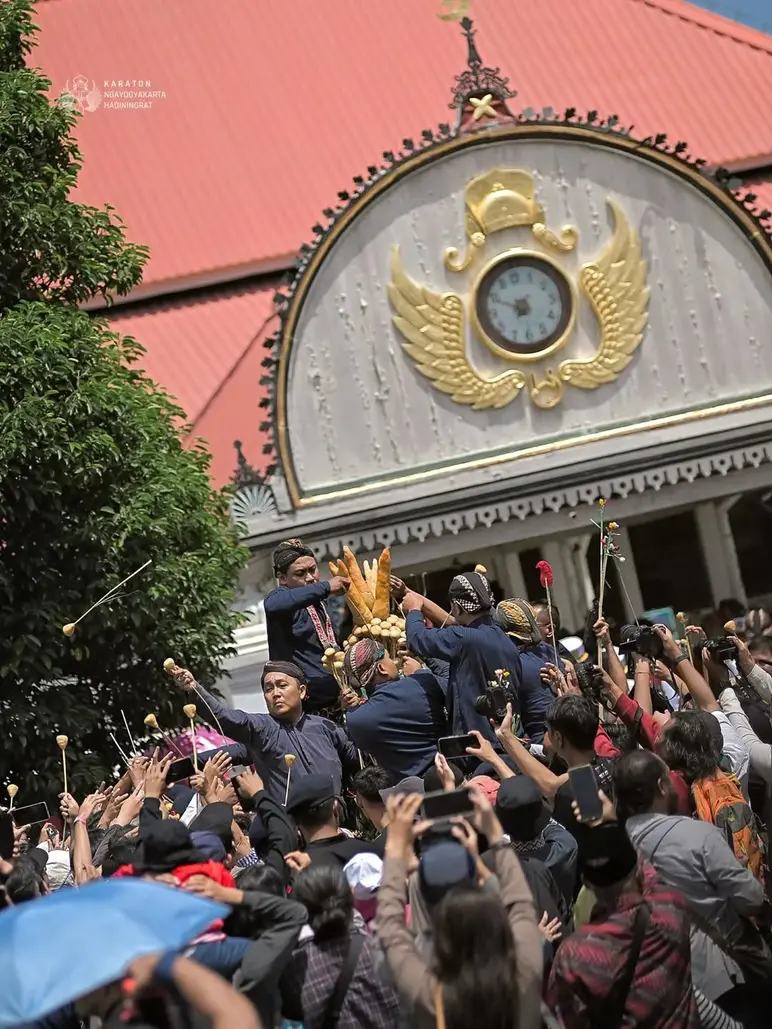
While Ngabekten is a private palace affair, Grebeg Syawal is a magnificent public spectacle. This is essentially the Sultan’s "Halal Bihalal" with his people, manifested through the offering of Gunungan—giant mountain-shaped piles of agricultural produce.
The procession is a visual feast. Ten units of the Keraton’s traditional infantry, such as the Wirabraja and Dhaeng, march in iconic uniforms accompanied by the rhythmic beat of traditional drums. For the locals, participating in the "scramble" for these offerings is more than just a tradition; it is an act of Ngalap Berkah—seeking blessings for a prosperous year ahead.
The "Trah" Gathering: Preventing "Kepaten Obor"
At the grassroots level, Yogyakarta’s social fabric is held together by the Trah (clan or family lineage) gatherings. During Halal Bihalal, hundreds of family members from across the archipelago return to their ancestral homes in Jogja.
Unlike casual meetups, a Trah gathering often involves a formal reading of the family tree. This is a vital cultural mechanism to prevent Kepaten Obor—a Javanese term for "the lamp going out," referring to the loss of one's ancestral roots. Through structured Sungkeman sessions based on lineage rather than just age, the youth are taught the importance of their heritage and their place within the family.
The Open House at Kepatihan: A Bridge Between Leaders and Citizens
The spirit of inclusivity is further highlighted by the Open House at the Kepatihan (the Governor’s office). Here, the Sultan, in his capacity as the Governor of DIY, and the Paku Alam open their doors to the general public.
This event creates a rare, egalitarian space where ordinary citizens and tourists alike can exchange greetings with their leaders. It serves as a reminder that despite the city's rigid traditions, the bond between the leadership and the people remains personal and accessible.
A Tapestry of Harmony
Celebrating Syawal in Yogyakarta is an immersive journey into the "Soul of Java." It is a time when the modern world pauses to honor the delicate balance between man, God, and the sovereign. Whether through a silent bow in the Palace or the joyous chaos of a Grebeg, Halal Bihalal in Yogyakarta remains a timeless testament to harmony and mutual forgiveness.