


 Annissa Wulan
 Jan 06, 2026
Batik in Javanese originates from the word 'tik', which refers to fine, delicate, and detailed handwork, and embodies elements of beauty and art. The word 'tik' also refers to the process of creating patterns on cloth by applying wax with a tool called a canting, creating patterns consisting of dots and strokes.
Based on this explanation, the meaning of batik refers to two things: the production technique, where the batik dyeing technique uses wax as a barrier to the dye on the cloth, and the motif or pattern, which is the distinctive design created by using this technique on fabric or clothing. Long before UNESCO recognized the existence of Indonesian batik, the people of Yogyakarta were accustomed to using it.
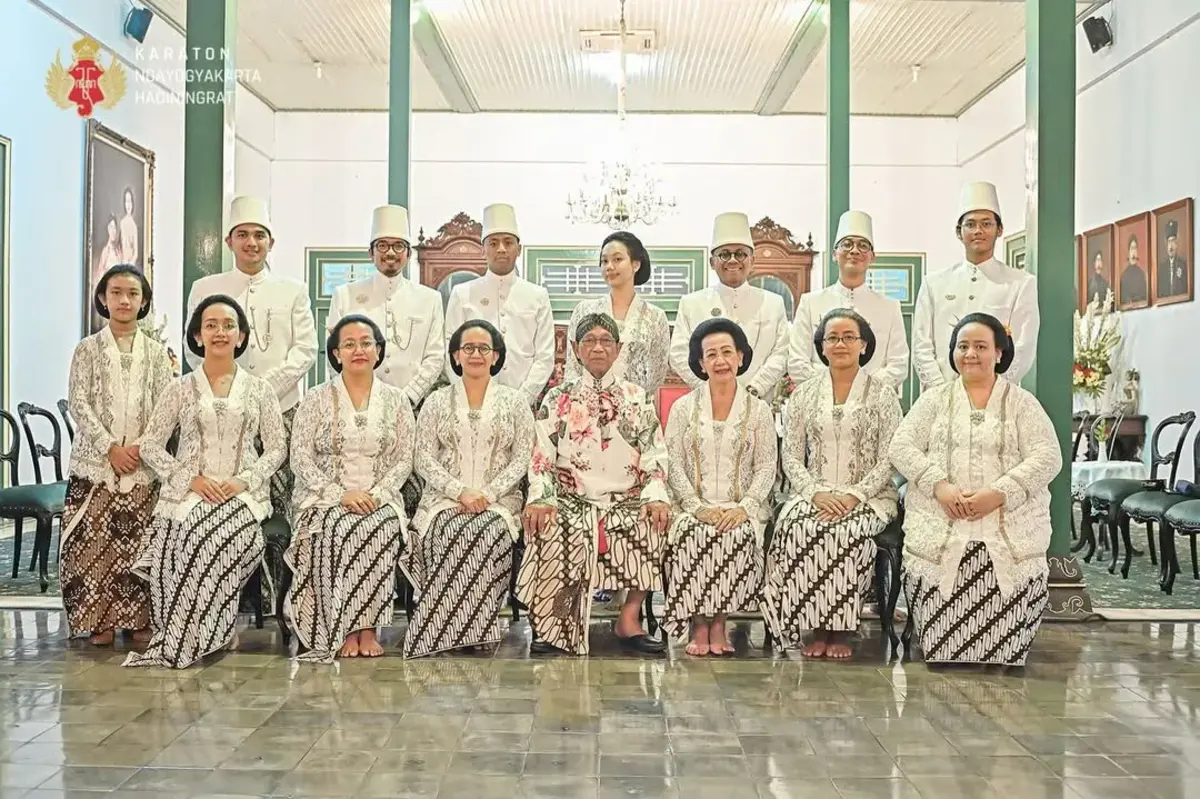
Within the Yogyakarta Palace, batik is part of the attire, both for everyday wear and traditional ceremonies. Furthermore, batik is also commonly used as a 'sling' to carry babies or belongings.
History of Batik Jogja
Yogyakarta's distinctive batik is inseparable from the history of the Islamic Mataram Kingdom, founded by Panembahan Senopati. During the founding of Mataram, Panembahan Senopati often meditated, wandered, and engaged in spiritual practices along the southern coast of Java.
It is said that the landscape and scenery of the area, adorned by the crashing waves against the cliffs and coral walls, ultimately inspired Panembahan Senopati to create the Parang motif. This Parang motif later became one of the hallmarks of Mataram clothing.
In 1755, the Treaty of Giyanti divided the Mataram Sultanate into two regions: the Surakarta Sultanate and the Yogyakarta Sultanate. All royal treasures, including cultural heritage, were divided between the two regions.
The Mataram Palace's attire, including batik, became the sole property of the Yogyakarta Palace. This distinctive characteristic, both in motif and color, is still maintained today.
The Development of Batik Jogja
The development of batik Jogja was initially limited to the Yogyakarta Palace. Batik-making became part of the education of noblewomen within the palace walls, where the introduction of the most refined aesthetics to the mastery of complex batik techniques was a form of education for the cultivation of taste, patience, and perseverance.
Gradually, unfinished batik work was allowed to be taken outside the palace to be continued at home. This practice then spread, attracting the interest of the public, who often saw the royal family wearing batik, to imitate it. In the process, many new batik motifs emerged.
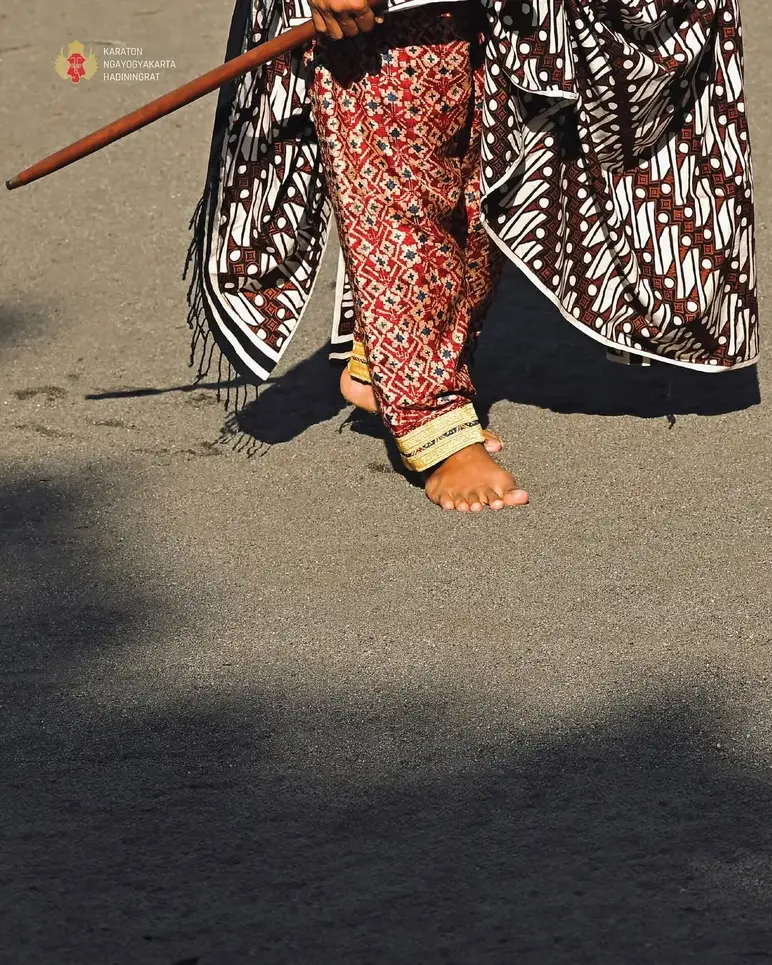
There was palace batik and forbidden batik, which were only permitted to be worn by the king, queen, and royal relatives; merchant batik, worn by the wealthy but not royal descendants; and farmer or commoner batik, worn by farmers and the general public. In this context, batik also served as a social identity within the community.
The Influence of the Yogyakarta Palace
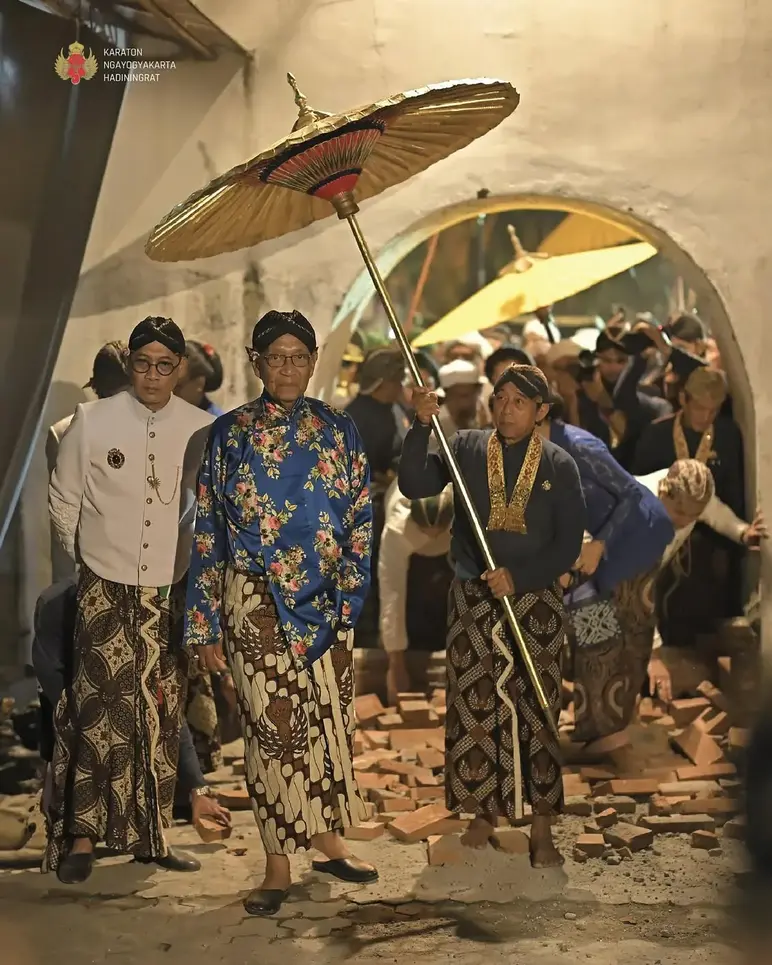
During the reign of Sultan Hamengkubuwono I (1755-1792), batik Yogyakarta experienced rapid development. The Sultan encouraged the development of batik as a marker of the cultural identity of the Yogyakarta Palace. Batik Jogja was therefore worn as official royal attire and considered a symbol of power. One of the figures who played a significant role in the preservation of batik Jogja was Raden Ajeng Kartini.
Batik Jogja Today
The use of class-specific batik motifs has faded, with many people adopting forbidden motifs that were once permitted only by kings, queens, and their descendants. Some of the current batik Jogja motifs include Parang, Kawung, Truntum, Ceplok, and Semen.