


 Rani Permata
 Oct 07, 2026
From Local Roots to Global Recognition
A Journey Through Indonesia, One Plate at a Time
Before the city was fully awake, Pasar Gede was already moving. Vendors called out from their stalls, bowls of dawet changed hands, and traditional snacks filled baskets as people arrived for breakfast, groceries and the familiar rhythm of a morning market. There was no ceremony to it, no tasting menu or polished dining room. Just food, doing what food has always done connecting people to a place.
This was one of the many faces of Indonesian gastronomy encountered during Wonderful Indonesia Gastronomy 2026, a journey through Solo and Yogyakarta that looked beyond the plate to the people, traditions, crafts and landscapes that shape it. Held under the theme “From Local Roots to Global Recognition,” the second edition of WIG offered a different way of seeing Indonesia, not simply through what it serves, but through everything that makes those dishes possible.
It Began in Solo
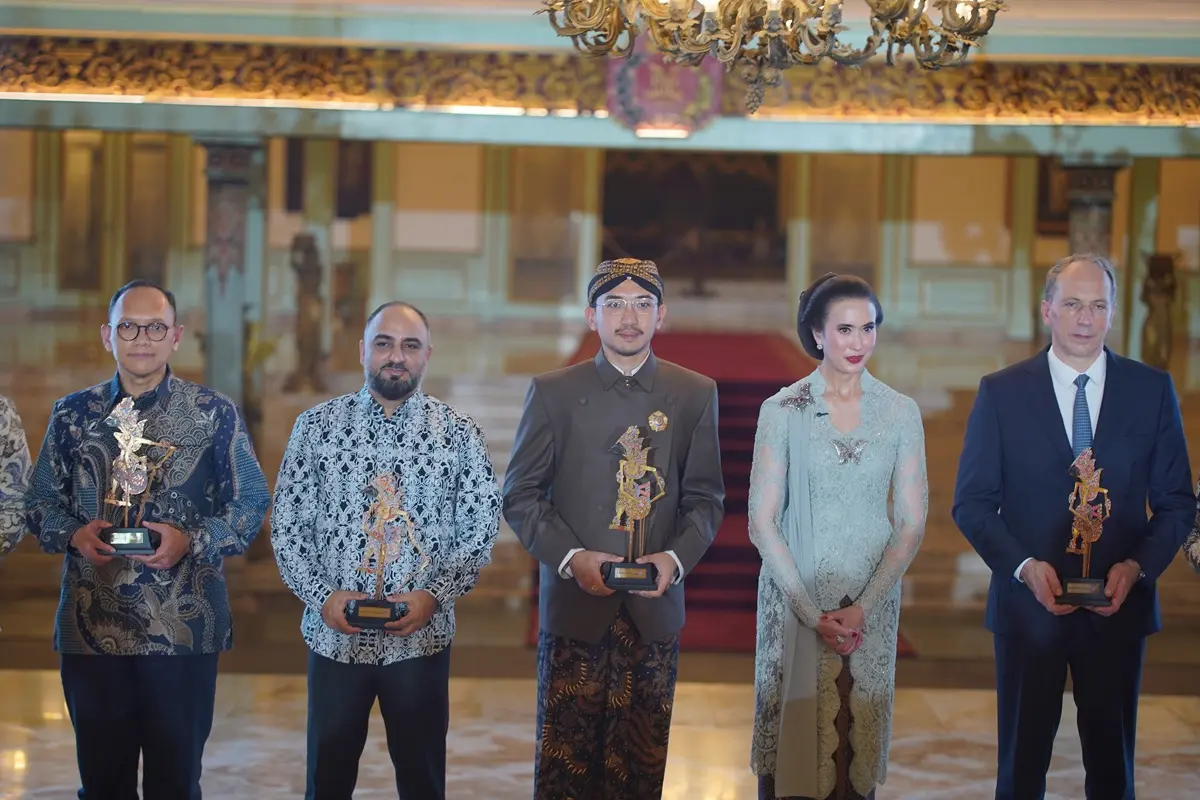
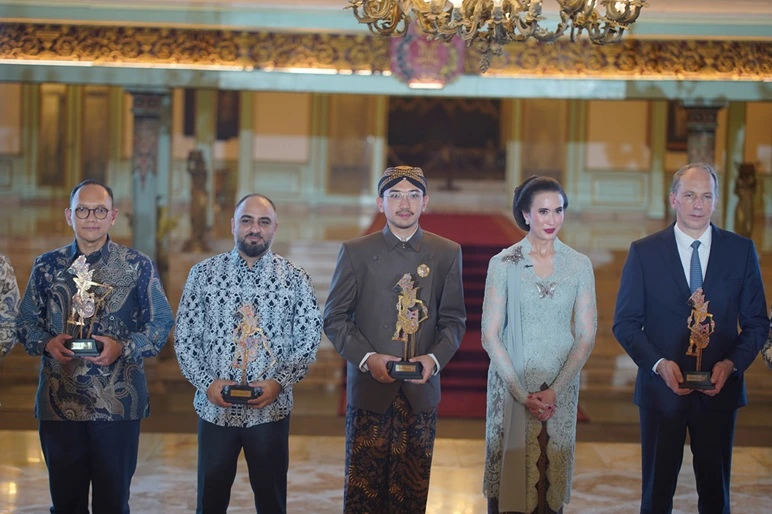
The journey started at Pura Mangkunegaran, where history was impossible to separate from the table. The palace provided more than a grand setting for the opening, it placed food within a larger Javanese story shaped by architecture, ceremony, art and generations of cultural knowledge. A royal dinner brought that story to the table, but Solo’s gastronomy was never confined to the palace.
In Laweyan, batik offered another lesson in the culture of making. The craft may use different materials from a kitchen, but the principles felt familiar, patience, technique, precision and knowledge passed from one generation to the next. At Pasar Gede, the same city told its story differently. Dawet, traditional snacks and local ingredients were simply part of an ordinary morning. Nothing was staged, and perhaps that was the point. Sometimes the clearest expression of a city’s food culture is found where people eat every day.
The experience continued through Atsiri Jawa, where plants, fragrance and wellness opened another window into Indonesia’s relationship with its natural resources. At Danar Hadi, batik brought the conversation back to craftsmanship. Slowly, a larger picture emerged, gastronomy was not an isolated industry, but part of the same cultural landscape as textiles, silver, botanicals, hospitality and the arts. Different crafts and different materials, but a similar relationship between people and place.
Another Side of Yogyakarta
The train from Solo to Yogyakarta took less than an hour, yet the shift in atmosphere felt like another chapter rather than a new story. Yogyakarta brought contemporary restaurants, heritage hotels, artisans and historic spaces into the picture. At Wiji, lunch offered a contemporary interpretation of Indonesian dining, while at Grand Hotel de Djokja, heritage became part of the hospitality experience.
At Taman Sari, tea was served against a landscape shaped by royal history. Later, at Gadri Place in the Kedaton Royal Ambarrukmo, dining became another way of entering Yogyakarta’s cultural past. Across these experiences, there was no single definition of Indonesian gastronomy. It could be royal or everyday, traditional or experimental, found in a market, a family recipe, a heritage property or a contemporary kitchen. That variety may be the country’s greatest strength.
The People Behind the Plate
The further the experience went, the more visible the people behind the food became. Farmers grow the ingredients, producers transform them, markets move them, artisans preserve techniques, chefs reinterpret them, and restaurants and hotels create spaces where they can meet travellers. Gastronomy, in this sense, is less a single industry than an ecosystem.
In Kotagede, silver craftsmanship offered another reminder that culture rarely exists in separate boxes. At Bhumi Bhuana, local produce and the relationship with the land came into focus. At Luka Nusa, Indonesian ingredients moved into contemporary culinary expressions, while at Eboni, cocktails became another medium for local ingredients and imagination.
Then came Mazaraat Cheese. Artisan cheese may not be the first thing associated with Indonesia, but its presence pointed to something larger. Indonesian gastronomy is not defined only by what has existed for generations, it is also shaped by what people are willing to make, experiment with and reimagine today. Tradition and innovation do not necessarily have to compete. They can exist on the same table.
From Heritage to the Global Table
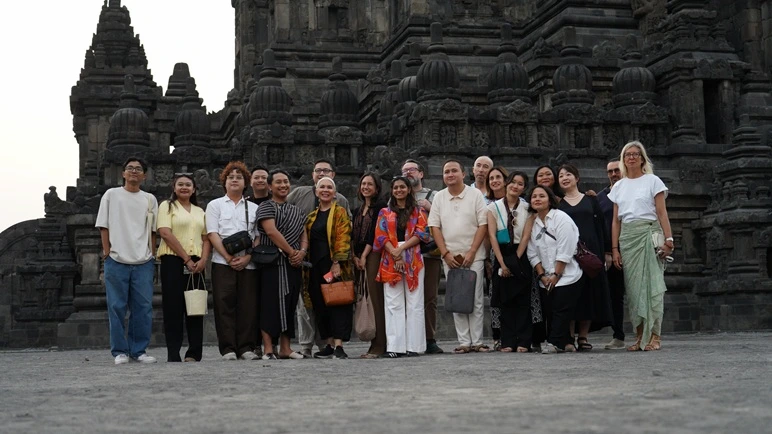
The route eventually reached Borobudur, where food became part of a much larger experience of place. Landscape, history, spirituality and culture surrounded the table, reminding us that gastronomic travel is rarely about a meal alone. Travellers remember what they ate, but also where they ate it, who served it, what they saw on the way there and what they learned along the way.
At Le Temple, contemporary dining offered another contrast modern culinary expression within sight of an ancient cultural landscape. The past was not being preserved behind glass, it was being interpreted. And perhaps that is where Indonesian gastronomy is heading next, not away from its roots, but forward with them.
When Food Became a Bigger Conversation
By the time WIG Talks arrived in Yogyakarta, the idea of gastronomy had already moved far beyond restaurants. Chefs, producers, hospitality professionals, creatives and industry players gathered to discuss what comes next for Indonesian gastronomy, from local producers and sustainability to tourism, creativity and international recognition.
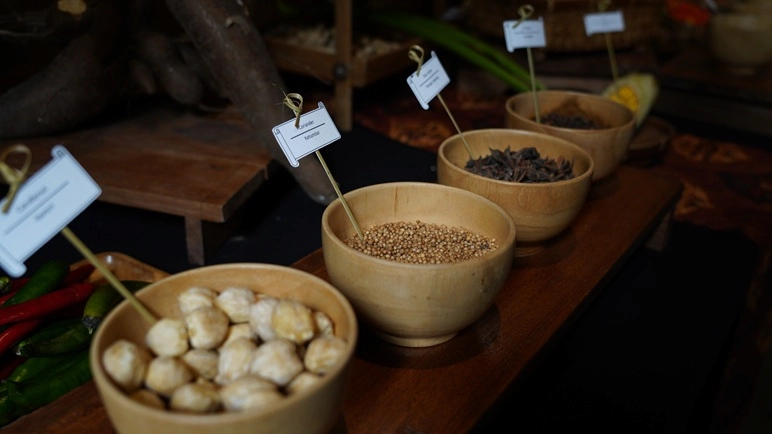
Then, at the Artisan Market at Grand Hotel de Djokja, the conversation became tangible. Tempe, cheese, botanicals and other locally produced goods represented people building businesses around ingredients, skills and ideas. It was a reminder that recognition rarely starts at the finish line. It starts much earlier with someone growing something, making something, preserving something or deciding to create something differently.
WIG 2026 also introduced the Indonesia Gourmet Guide and Indonesia Local Eateries Guide, mapping 300 places across two sides of the country’s culinary landscape. One looks toward contemporary dining, while the other brings attention to local eateries and the everyday food culture that remains close to the roots of a destination. Together, they suggest that eating well in Indonesia can mean many things. Sometimes it means sitting at a celebrated restaurant, sometimes it means finding the bowl that tastes most like home.
The Story Returns to the People
On the final stretch, the experience returned to a market. At Pasar Ngasem, gastronomy once again became part of everyday life. People, ingredients, vendors and movement came together without the need for a stage, bringing the journey back to the very thing that had been at its centre from the beginning, people and place.
A plate is only the visible part of a much longer journey. Behind it are farmers, producers, artisans, cooks, chefs, market sellers, restaurant owners, hoteliers and communities. Behind them are landscapes, traditions and histories. And behind those histories are generations of people who kept making, cooking, growing and passing things on. That is where the real story of Indonesian gastronomy begins.
From Local Roots, Forward
“From Local Roots to Global Recognition” sounds like a destination. Perhaps it is better understood as a direction. Indonesia already has the ingredients, thousands of islands, diverse cultures, indigenous produce, traditional techniques, family recipes, markets, street food, contemporary kitchens and an emerging generation of artisan producers.
The opportunity now is to connect those stories to give local producers access to new markets, traditional knowledge new relevance, and travellers more reasons to see food as a way into a destination. Not simply to eat, but to stay longer, look closer and understand a place.
Because global recognition should not mean becoming something else. It should mean giving the world a reason to look more closely at what has been here all along.
From local roots, the story moves forward.