Bali Launches Free Electric Trans Sarbagita Bus Service for One Year
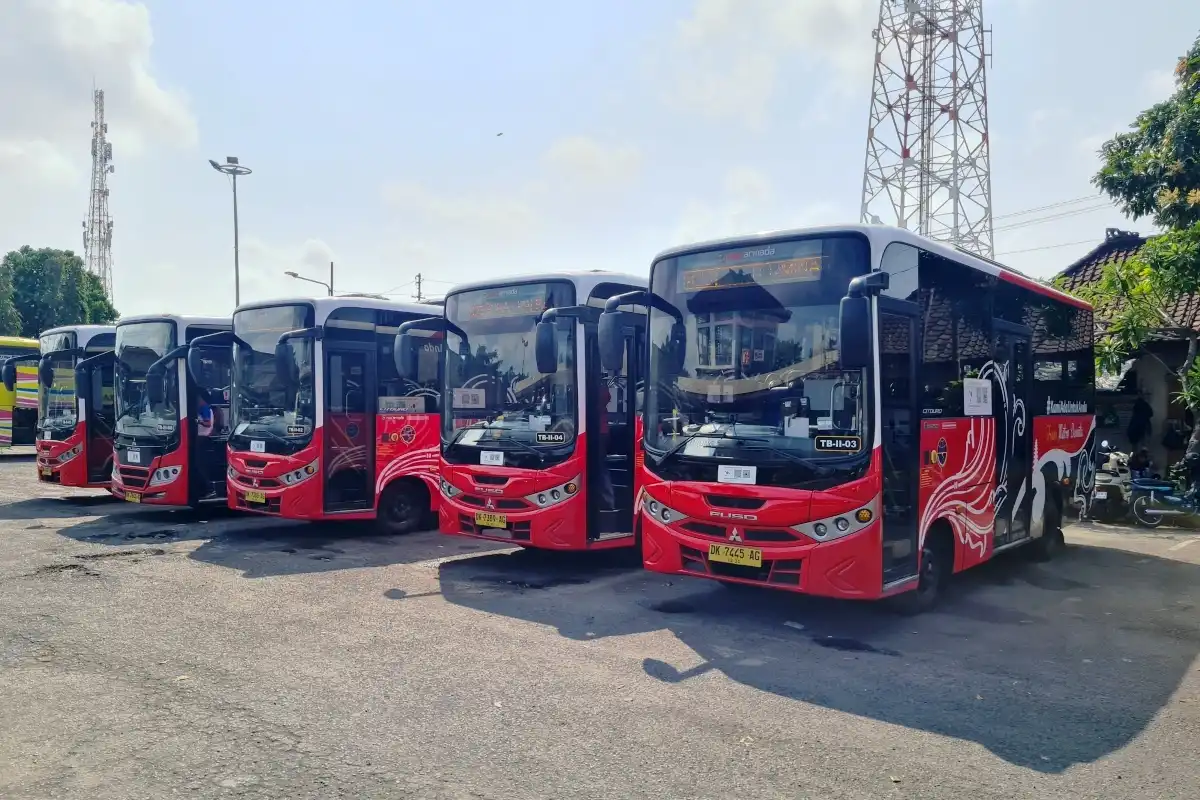
Bali is taking another step towards greener public transportation with the launch of 11 electric Trans Sarbagita buses, offering passengers free rides for an entire year. Officially introduced by Bali Governor Wayan Koster on 9 November 2026 at the northern parking area of GOR Ngurah Rai in Denpasar, the initiative aims to encourage residents to shift from private vehicles to more sustainable public transportation.
The year-long free service will be fully funded through the Bali Provincial Government's Regional Budget (APBD). Carrying the slogan “Nol Emisi, Nol Suara, Nol Rupiah” (Zero Emission, Zero Noise, Zero Rupiah), the programme highlights the environmental benefits of electric mobility while making public transportation more accessible and affordable for the community.
The initial service will operate along the GOR Ngurah Rai–Denpasar–Garuda Wisnu Kencana (GWK) route, following an adjusted version of the former Trans Sarbagita Corridor I. From GOR Ngurah Rai towards GWK, buses will pass Jalan Melati, Jalan Hayam Wuruk, Renon Roundabout, Jalan Raya Puputan and Jalan Sudirman before continuing towards the GWK area. On the return journey, buses will travel through Jalan Cok Agung Tresna, Jalan Moh. Yamin, Jalan Raya Puputan, Jalan Hayam Wuruk, Jalan Kamboja, Jalan Angsoka, Jalan Melati and Jalan Pattimura.
Of the 11 electric buses provided through cooperation between the Bali Provincial Government and the South Korean Government, 10 will operate daily, while one will serve as a backup vehicle. The fleet is also supported by six electric vehicle charging facilities. The service will be operated by Perum DAMRI's Denpasar branch under the supervision of the Bali Transportation Agency.
Although the service is free, passengers are still required to tap an electronic money card when boarding. This system allows the government to monitor passenger numbers and evaluate demand during the trial period. For those without an electronic money card, operators will provide cards onboard.
The initiative forms part of Bali's broader efforts to reduce traffic congestion, air pollution and dependence on private vehicles. It also supports the island's ambition to achieve net-zero emissions by 2045, ahead of Indonesia's national target of 2060. Through the introduction of electric public transportation, the provincial government hopes to encourage a shift in commuting habits while promoting cleaner and quieter urban mobility.
The government has also indicated that additional buses could be introduced should passenger demand increase, with the long-term goal of developing a more accessible and sustainable public transportation network across Bali.
Discover More




Related Articles